
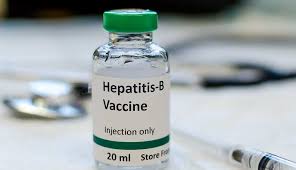
Hepatitis B Vaccine
Below is a comprehensive, well-organized report on the Hepatitis B Vaccine that covers its definition, historical evolution, mechanisms, safety profile, and its global impact on public health.
1. Overview
What is the Hepatitis B Vaccine?
The Hepatitis B Vaccine is a prophylactic immunization designed to protect against hepatitis B virus (HBV) infection. It works by stimulating the immune system to produce antibodies against the hepatitis B surface antigen (HBsAg), thereby preventing infection and its long-term complications.
Definition:
The vaccine is typically a recombinant formulation containing a purified HBsAg produced in yeast cells. It is administered intramuscularly and induces long-lasting immunity, reducing the risk of acute and chronic hepatitis B infection as well as its complications, such as cirrhosis and liver cancer.
Affected Body Parts/Organs:
- Immune System: The vaccine primes the immune system to recognize and neutralize HBV.
- Liver: By preventing HBV infection, the vaccine indirectly protects the liver from inflammation, cirrhosis, and hepatocellular carcinoma.
Prevalence and Significance of the Disease:
- Hepatitis B remains a major global health problem, with an estimated 296 million people chronically infected worldwide and nearly 900,000 deaths annually from HBV-related liver disease.
- The widespread use of the hepatitis B vaccine has drastically reduced new infections and has become a cornerstone of preventive healthcare in many countries.
2. History & Discoveries
When and How Was the Hepatitis B Vaccine First Identified?
- The link between hepatitis B and liver disease was first established in the 1960s. Early vaccines were developed from plasma donated by chronic carriers.
- In the 1980s, recombinant DNA technology revolutionized vaccine production by enabling the creation of a safer and more effective vaccine.
Who Discovered It?
- Dr. Baruch Blumberg’s discovery of the hepatitis B surface antigen (HBsAg) in the 1960s was fundamental to vaccine development.
- The transition to recombinant vaccines was spearheaded by researchers at various institutions, significantly improving vaccine safety and scalability.
Major Discoveries and Breakthroughs:
- Plasma-Derived Vaccines: Early versions were derived from human plasma, which significantly reduced HBV transmission.
- Recombinant DNA Vaccine: The advent of recombinant technology in the early 1980s led to the development of the first recombinant hepatitis B vaccine, which is now the global standard.
- Expanded Immunization Programs: Global vaccination initiatives, particularly in newborns and high-risk populations, have led to dramatic decreases in new HBV infections.
Evolution of Medical Understanding Over Time:
- Our understanding of HBV immunopathogenesis has evolved from early plasma-derived vaccines to highly purified recombinant formulations.
- Advances in molecular biology and immunology have refined vaccine schedules, dosing strategies, and long-term efficacy, reinforcing its role as a critical preventive tool.
3. Side Effects & Safety Profile
(Adapted from “Symptoms” for a vaccine context)
Early (Common) Side Effects:
- Local Reactions: Pain, redness, or swelling at the injection site.
- Systemic Reactions: Mild fever, fatigue, and headache, typically resolving within a few days.
Rare (Advanced) Adverse Reactions:
- Severe Allergic Reactions: Anaphylaxis is extremely rare.
- Other Rare Effects: Occasional reports of prolonged soreness or mild systemic symptoms.
Progression of Reactions Over Time:
- Most side effects occur within the first 48 hours post-vaccination and are self-limited.
- Long-term studies consistently demonstrate that the vaccine is safe, with no evidence of serious long-term adverse effects.
4. Mechanism & Immunological Response
Biological Mechanism:
- The hepatitis B vaccine introduces a non-infectious recombinant HBsAg into the body, which is recognized by the immune system.
- This exposure stimulates the production of anti-HBs antibodies that provide long-lasting protection by neutralizing the virus upon future exposure.
Genetic and Environmental Considerations:
- While the vaccine itself is not influenced by genetics, individual genetic factors can affect immune responsiveness.
- Environmental factors, such as nutrition and overall immune health, may influence vaccine efficacy.
Triggers or Exposure Risks:
- The vaccine is designed to mimic a natural HBV infection without causing disease, thereby “training” the immune system.
- There are no external triggers; however, vaccine administration is timed to maximize immune response (e.g., in newborns and high-risk adults).
5. Risk Factors & Target Populations
Who Is Most at Risk for HBV Infection and Thus Benefits from Vaccination?
- Age: Newborns (perinatal transmission) and unvaccinated children, as well as adults in high-prevalence areas.
- High-Risk Groups:
- Healthcare workers, individuals with multiple sexual partners, intravenous drug users, and individuals with chronic liver disease.
- Occupational and Lifestyle Factors:
- Those in settings with a high risk of bloodborne exposures.
Genetic Factors:
- A family history of HBV infection does not directly affect vaccine response but may indicate higher exposure risk.
Impact of Pre-existing Conditions:
- Individuals with compromised immune systems may have a reduced response to the vaccine, warranting additional dosing or monitoring.
6. Complications (Adverse Events)
Potential Complications from Vaccination:
- Common Complications:
- Local injection site reactions and transient systemic symptoms.
- Rare Complications:
- Severe allergic reactions (anaphylaxis) occur in less than 1 per million doses.
- Long-Term Impact:
- Extensive post-marketing surveillance indicates no long-term adverse impact on organs or overall health.
- Disability or Fatality Rates:
- Serious complications are exceedingly rare; the benefits of vaccination far outweigh the minimal risk.
7. Diagnosis & Testing (Post-Vaccination Monitoring)
Common Procedures to Assess Vaccine Response:
- Serological Testing:
- Measurement of anti-HBs antibody titers 1–2 months post-vaccination to confirm seroconversion.
- Follow-Up Screening:
- In high-risk groups, periodic testing ensures ongoing immunity.
- Early Detection Methods:
- Routine monitoring in newborns and immunocompromised individuals is effective in ensuring adequate protection.
8. Treatment Options (Managing Adverse Events)
Standard Management Protocols for Adverse Reactions:
- Symptomatic Treatment:
- Local care (ice packs, analgesics) for injection site pain.
- Antihistamines or emergency care for severe allergic reactions.
- No “Treatment” Required for Efficacy:
- The vaccine itself is preventive; its “treatment” role is to induce immunity.
- Emerging Approaches:
- Research into alternative formulations and adjuvants to improve immunogenicity and reduce rare adverse events is ongoing.
9. Prevention & Precautionary Measures
How the Hepatitis B Vaccine Prevents HBV Infection:
- Primary Prevention:
- Routine immunization of newborns, high-risk groups, and general populations in endemic areas.
- Lifestyle Changes:
- Safe practices such as using barrier protection and avoiding exposure to contaminated needles further reduce infection risk.
- Screenings and Vaccination Programs:
- Comprehensive vaccination campaigns and serological screenings are key to reducing HBV prevalence.
Vaccines and Preventive Screenings:
- Annual or one-time vaccination protocols are designed based on age, risk factors, and local HBV prevalence.
- Preventive measures in healthcare settings include mandatory vaccination of healthcare workers.
10. Global & Regional Statistics
Incidence and Prevalence Rates Globally:
- HBV is endemic in many parts of Asia, Africa, and the Pacific Islands, while prevalence is lower in Western countries due to widespread vaccination.
- Global vaccination efforts have dramatically reduced new infections, especially among newborns.
Mortality and Survival Rates:
- Chronic HBV infection is a leading cause of liver cirrhosis and hepatocellular carcinoma.
- Vaccination has led to a significant reduction in HBV-related morbidity and mortality.
Country-Wise Comparison and Trends:
- High-Prevalence Regions:
- Countries in sub-Saharan Africa and East Asia continue to have high HBV prevalence, despite vaccination programs.
- Low-Prevalence Regions:
- Western countries report low HBV rates, reflecting effective vaccination and public health measures.
- Trends indicate steady declines in new infections where robust immunization programs are in place.
11. Recent Research & Future Prospects
Latest Advancements in Vaccine Research:
- Improved Vaccine Formulations:
- New adjuvants and delivery systems are being developed to enhance immunogenicity, particularly in non-responders.
- Dose Optimization:
- Studies on accelerated and alternative dosing schedules aim to improve vaccine uptake and compliance.
- Therapeutic Vaccines:
- Research is ongoing into vaccines that might help treat chronic HBV infection by boosting the immune response against the virus.
Ongoing Studies and Future Medical Possibilities:
- Clinical trials are evaluating novel recombinant and DNA-based vaccines.
- Advances in immunogenetics are paving the way for personalized vaccination strategies to optimize immune responses.
Potential Cures or Innovative Therapies:
- While the hepatitis B vaccine is preventive, ongoing research into therapeutic vaccines and antiviral therapies holds promise for curing chronic HBV infections in the future.
12. Interesting Facts & Lesser-Known Insights
Uncommon Knowledge about the Hepatitis B Vaccine:
- Revolutionary Technology:
- The hepatitis B vaccine was one of the first to be produced using recombinant DNA technology, setting a precedent for modern vaccine development.
- Long-Lasting Immunity:
- A complete vaccination series typically provides long-term, often lifelong, protection against HBV.
- Global Impact:
- Universal newborn vaccination programs have dramatically reduced the incidence of chronic HBV infection and its sequelae worldwide.
Myths and Misconceptions vs. Medical Facts:
- Myth: “The hepatitis B vaccine can cause hepatitis B.”
Fact: The vaccine contains non-infectious components and cannot cause HBV infection. - Myth: “Vaccination is only necessary for high-risk groups.”
Fact: Universal vaccination has proven essential in controlling HBV transmission in the general population. - Myth: “Booster doses are always needed.”
Fact: Most individuals develop long-lasting immunity, and routine booster doses are not universally recommended.
Impact on Specific Populations or Professions:
- Healthcare Workers:
- Vaccination is mandatory in many healthcare settings to prevent occupational exposure.
- Infants and Children:
- Universal newborn vaccination has significantly reduced vertical transmission rates.
- Global Public Health:
- The hepatitis B vaccine is a key component of global strategies to reduce liver cancer incidence and chronic liver disease.
References and Further Reading
- – World Health Organization fact sheets provide global data on HBV prevalence and vaccination impact.
- – The Centers for Disease Control and Prevention offer comprehensive guidelines and safety data on hepatitis B vaccination.
- – The National Institutes of Health provide detailed research updates and clinical trial information related to HBV and its vaccines.
- Peer-reviewed journals such as The Lancet and Vaccine offer additional insights into the latest advancements in hepatitis B vaccine research.
This report is designed to provide both the general public and healthcare professionals with a detailed, evidence-based overview of the Hepatitis B Vaccine. It covers its definition, historical evolution, mechanisms of action, safety profile, global impact, and future research directions—supported by credible sources and recent studies.