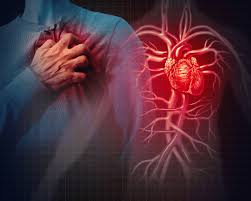
This guide explains the main cardiovascular conditions, urgent warning signs, risk assessment and the decisions that prevention and treatment involve. Start with the emergency section if symptoms are happening now; use the later sections to prepare for a routine appointment.
Educational information checked against the listed sources on 14 October 2026. It does not diagnose a condition or replace individual medical advice. Read our medical disclaimer.
What does cardiovascular mean?
Cardiovascular is a broad term for the heart and the network of blood vessels. Cardiovascular disease, often abbreviated CVD, includes conditions affecting the heart itself and vessels supplying the brain, limbs and other organs. Coronary disease is one important part of that picture, but it is not the whole category. WHO also includes congenital heart disease, rheumatic heart disease and venous blood clots within its overview. Prevention matters globally: WHO estimates that cardiovascular diseases caused 19.8 million deaths in 2022. Tobacco, dietary patterns, inactivity, harmful alcohol use and air pollution contribute to preventable risk. Access to early assessment and ongoing treatment matters alongside individual habits; a diagnosis should never be reduced to an assumption about someone’s willpower. [1]
The heart has two upper chambers, the atria, and two lower chambers, the ventricles. The right side sends blood to the lungs, where it takes up oxygen; the left side sends that blood around the body. Valves guide movement between chambers and into major vessels. Arteries carry blood away from the heart, while veins return it. Tiny capillaries connect the circulation with tissues. The coronary arteries supply the heart muscle itself, which needs its own oxygen delivery. Electrical signals coordinate the heartbeat. These different jobs help explain why a valve problem, a rhythm problem and a narrowed artery need different investigations. A measurement of pulse, blood pressure or cholesterol describes one aspect of the system, not a complete assessment of cardiovascular health. [2]
Cardiovascular warning signs: when to get emergency help
Possible heart attack
A heart attack can begin with pressure, heaviness, squeezing or discomfort in the chest. Discomfort may also affect an arm, the back, neck, jaw or upper abdomen. Breathlessness, sweating, nausea or lightheadedness can accompany it. Some attacks start gradually, and symptoms may ease and return. Chest discomfort is common in both women and men, but its absence does not make other concerning symptoms safe to ignore. Call your local emergency number for suspected heart attack, even if you are uncertain. In the United States, call 911. Use emergency medical transport rather than driving yourself. Do not delay the call to check a wearable, search for a blood-pressure reading or see whether a home remedy works. Follow the emergency dispatcher’s instructions. [9]
Possible stroke or transient ischemic attack
Sudden changes in balance or vision, weakness on one side, a drooping face, or difficulty speaking or understanding speech can signal stroke. An abrupt, severe unexplained headache is another warning sign. The B.E. F.A.S.T. reminder covers balance, eyes, face, arms, speech and the need to act immediately. Call emergency services and note when symptoms began, or when the person was last known to be well. Do not wait for every sign to appear. Symptoms that disappear can represent a transient ischemic attack, or TIA, and still require urgent medical assessment. Improvement is not a reason to cancel help. Tell responders what happened even if the person now seems normal; the timing and description remain important for the clinical assessment. [10]
Sudden collapse and cardiac arrest
Cardiac arrest means the heart is no longer pumping effectively. It differs from a heart attack, although a heart attack can trigger it. If someone is unresponsive and is not breathing normally, including only gasping, treat this as an emergency. Call the emergency number, put the phone on speaker if possible, and begin CPR following dispatcher instructions. Ask another person to fetch an automated external defibrillator, or AED. For an adult who suddenly collapses, chest compressions should be hard and fast in the center of the chest. Turn on the AED and follow its prompts as soon as it is available. Do not spend time trying to diagnose the rhythm or waiting for the person to wake up. [11]
Clots and aortic emergencies
A clot in a deep vein, usually in a leg, is called deep vein thrombosis. New swelling, tenderness, warmth or discoloration in one limb needs prompt medical attention. If part of the clot travels to the lungs, it can cause a pulmonary embolism. Sudden breathing difficulty, chest discomfort that worsens with breathing, coughing blood or fainting requires immediate help. A pulmonary embolism can occur without noticeable leg symptoms. These venous clots have different causes and treatment pathways from the arterial disease behind many heart attacks. Do not assume that a leg problem is unrelated to breathing symptoms, and do not use a cardiovascular risk calculator to decide whether a possible clot is urgent. [12]
An aortic aneurysm is an abnormal widening of the body’s largest artery. It can develop in the chest or abdomen and may cause no symptoms before it is discovered on imaging. Rupture or tearing of the artery can be life-threatening. Sudden severe pain in the chest, back or abdomen, especially with faintness or collapse, needs emergency assessment. You do not need a known aneurysm diagnosis before seeking help. If an aneurysm is already being monitored, understand the team’s emergency instructions and follow-up schedule. Monitoring an otherwise stable aneurysm and evaluating new severe pain are different situations; a future scan appointment does not replace emergency care for an abrupt change. [33]
The main types of cardiovascular disease
Coronary artery disease
Coronary artery disease commonly involves plaque accumulating in arteries that supply the heart muscle. Plaque contains cholesterol and other substances; it can narrow a vessel and contribute to clot formation. Some people develop angina, meaning symptoms caused by insufficient oxygen supply to the heart muscle. Others have no recognized symptoms before a serious event. Disease can involve large coronary arteries or smaller vessels within the heart. Therefore, the absence of a major blockage does not explain every possible cause of cardiac symptoms. A diagnosis depends on the history and appropriate tests, not on pain location alone. The clinician needs to explain which kind of coronary problem is suspected and what evidence supports that conclusion. [3]
Heart failure
Heart failure means the heart cannot meet the body’s needs adequately because pumping or filling is impaired. The term does not mean that the heart has stopped. Breathlessness during ordinary activity, difficulty breathing when lying flat, swelling and unusual fatigue are possible symptoms, although they have other causes too. Treatment depends on the type and underlying problems and can involve medicines, rehabilitation, devices or procedures. People with established heart failure benefit from a specific plan for tracking changes and contacting their team. Ask which symptoms or weight changes matter in your case. Fluid advice and activity limits need individual guidance; applying a generic internet restriction can conflict with your own treatment needs. [4]
Arrhythmias and electrical problems
An arrhythmia is an abnormal heart rhythm, which may be too fast, too slow or irregular. A pulse naturally changes with activity and sleep, and an occasional sensation of a skipped beat does not identify a specific disorder. Recurrent palpitations deserve assessment; palpitations with chest pain, severe breathlessness or fainting need emergency help. Some rhythm disorders are relatively manageable; others can interfere with blood flow or raise the risk of serious complications. Tests may need to capture the rhythm during an episode. Record when symptoms happen and how long they last, without trying to provoke them. A rhythm label should come with an explanation of its significance, because treatments for one arrhythmia may be unsuitable for another. [5]
Valve disease and congenital conditions
Valves can become narrowed, leak backward or have an abnormal opening. Some problems are present from birth; others develop with aging, infection or another condition. Fatigue, breathlessness, chest discomfort or fainting may occur, but valve disease can also be found before symptoms develop. Listening to the heart and imaging help establish the problem and its severity. Depending on the condition, care may involve monitoring, medicines to manage consequences, or valve repair or replacement. Finding a murmur does not by itself tell someone that surgery is needed. The useful questions concern which valve is affected, how it changes heart function and what would trigger a change from observation to intervention. [6]
Congenital heart defects are structural differences present at birth. They can involve the walls between chambers, valves or major vessels. Their effects range widely: some require little treatment, while others need procedures early in life and ongoing specialist follow-up. Advances in care mean many people with congenital conditions reach adulthood. Their care needs do not automatically end after a childhood operation. If you have a congenital diagnosis, keep a record of its name and previous procedures and discuss follow-up with a clinician familiar with it. Adult prevention advice is useful, but it does not replace assessment of the particular anatomy or a specialist plan for pregnancy, activity or further treatment. [7]
Peripheral artery disease and inflammation
Peripheral artery disease, or PAD, often affects the arteries supplying the legs and feet. Walking may bring on muscle discomfort or weakness that improves after rest, although many people have different symptoms or none. PAD is more than a mobility problem: it can indicate atherosclerosis elsewhere and increased risk of heart attack or stroke. Assessment may include comparing blood pressure at the ankle and arm, alongside examination and other testing when needed. Tell a clinician about recurring exertional leg symptoms instead of assuming they are simply aging. Treatment addresses both limb symptoms and overall cardiovascular risk, and the plan may include structured activity, medicines and, for selected patients, a procedure. [8]
Inflammation can affect different heart tissues. Myocarditis involves the muscle, pericarditis the surrounding sac, and endocarditis the inner lining or valves. Infection and immune-related illness are among possible causes. These diagnoses are not interchangeable with coronary artery disease and cannot be identified reliably from symptoms alone. Severity varies, and treatment depends on the tissue involved and the cause. New chest symptoms after an illness deserve assessment; the emergency warning signs above still apply, regardless of age or fitness. If a clinician diagnoses heart inflammation, ask for specific follow-up and activity instructions. Feeling better does not provide the same information as a clinical reassessment of recovery. [34]
Risk factors: understand the whole picture
Age and a family history of early coronary disease influence risk even when someone feels well. Record which relatives were affected and their approximate age at diagnosis. High blood pressure, abnormal cholesterol, smoking and other medical conditions also matter. Risk reflects their combined effects, so one reassuring result cannot cancel every other concern. [3]
Heart, kidney and metabolic health are closely connected. The 2026 ACC/AHA cardiovascular-kidney-metabolic guideline brings together excess adiposity, blood pressure, lipids, blood glucose and kidney function rather than treating each as an isolated number. Diabetes or chronic kidney disease can change both cardiovascular risk and treatment choices. Depending on the situation, assessment includes blood and urine tests as well as clinical history. Coordinated care is especially useful when several teams prescribe medicines. Tell them about cost, food access, housing or other barriers that make the plan difficult to follow. These are relevant clinical concerns. Weight is one part of the assessment, not a complete measure of health or a reason to postpone care for other risks. [13]
Pregnancy and reproductive history can add important information to a cardiovascular assessment. Gestational diabetes, hypertensive pregnancy disorders and early menopause are among the factors clinicians consider. A past pregnancy complication can remain relevant years after delivery, even if the immediate problem resolved. Include this history when registering with a new clinician or discussing prevention. Women can develop cardiovascular disease before menopause and should not dismiss symptoms because of age. If you are pregnant, recently postpartum or planning pregnancy, make that clear when discussing symptoms or treatment. Medication and monitoring decisions may need a different approach, and a standard adult prevention target should not be applied without considering that context. [14]
Blood pressure, cholesterol and cardiovascular risk checks
Blood pressure: thresholds depend on the guideline
Blood pressure is written as systolic pressure over diastolic pressure, in millimeters of mercury, or mmHg. The 2025 United States ACC/AHA guideline classifies stage 1 hypertension as systolic pressure of 130–139 or diastolic pressure of 80–89. Classification, diagnosis and the decision to use medicine are related but different questions. Treatment considers repeated measurements, overall risk and conditions such as diabetes, kidney disease or established cardiovascular disease. The guideline generally targets below 130/80 for treated adults, with individual considerations. Do not interpret that as an instruction to change a prescription after one reading. Ask which target applies to you, how it will be measured and how the team balances benefit with dizziness, falls or other treatment problems. [20]
NICE guidance used in the United Kingdom follows a different diagnostic framework. It generally confirms hypertension when clinic pressure is at least 140/90 and the daytime ambulatory or home average is at least 135/85. Ambulatory monitoring records pressure over an extended period during usual activities; home monitoring uses a planned series of readings. These methods help distinguish persistent hypertension from readings that are higher mainly in a clinical setting. The differences between guidelines are not a reason to choose whichever label feels more reassuring. Follow the framework used by your clinical service and clarify whether a number refers to a clinic reading, a home average, a diagnostic threshold or an individualized treatment target. [21]
For home measurements, use a validated automatic upper-arm monitor with a cuff that fits. Ask the care team to check your technique. Avoid smoking, caffeine and exercise during the preceding 30 minutes, empty your bladder, and rest quietly for at least five minutes. Sit with your back supported, feet on the floor and arm supported at heart level; place the cuff on bare skin. Follow the agreed schedule, taking repeated readings rather than selecting the lowest value. Record dates and times and bring the results to review. [35]
For nonpregnant adults, systolic pressure above 180 or diastolic pressure above 120 with new chest pain, breathlessness, weakness or vision or speech changes requires emergency help. Without symptoms, wait at least one minute and repeat; if still severely elevated, contact a clinician immediately. Emergency symptoms warrant help regardless of the reading. Pregnancy requires separate guidance, so do not wait for these thresholds. [35]
Cholesterol and current risk tools
The 2026 ACC/AHA dyslipidemia guideline updates US cholesterol management and uses PREVENT-ASCVD for suitable primary-prevention decisions. The equations are intended for adults aged 30–79 without known atherosclerotic cardiovascular disease or subclinical atherosclerosis and with LDL cholesterol of 70–189 mg/dL. The result supports a discussion; it does not diagnose a blocked artery. The guideline also recommends measuring lipoprotein(a) at least once in adulthood, with selective use of apolipoprotein B testing and coronary calcium imaging. LDL treatment goals depend on risk and whether disease is already present. A clinician should interpret the full lipid profile, relevant family history and other conditions. Do not apply a target for someone with previous cardiovascular disease to yourself without checking which prevention group you belong to. [22]
NICE NG238 recommends QRISK3 for many people aged 25–84 without established cardiovascular disease, including those with type 2 diabetes. A ten-year estimate of 10% is an important threshold for offering statin treatment, but a lower estimate does not automatically rule treatment out. Some high-risk conditions follow other pathways, and clinical judgment matters when a calculator may underestimate risk. A score describes the estimated chance of an event across a defined period, not a prediction that an individual will or will not become ill. Ask the clinician to explain the estimate using understandable numbers and to describe the expected benefits and possible harms of treatment in the same terms. [23]
European guidance uses another framework. The 2025 ESC/EAS dyslipidaemia update supports SCORE2 and SCORE2-OP for appropriate people without established cardiovascular disease, with separate approaches for conditions such as diabetes or chronic kidney disease. SCORE2-OP is designed for older adults, and the calculations account for differences between European risk regions. These estimates are not directly interchangeable with QRISK3 or PREVENT because the populations, outcomes and thresholds differ. If you bring an online result to an appointment, include the tool name, inputs and date. Ask whether it is suitable for your age, country and medical history. Comparing several calculators without understanding those differences can create apparent disagreement without helping the treatment decision. [24]
What cardiovascular tests can and cannot show
Tests should answer a specific question. An electrocardiogram, or ECG, records electrical activity. An echocardiogram uses ultrasound to examine structure, valves and pumping. Ambulatory rhythm recording looks over a longer period when episodes may not occur during an appointment. Stress testing evaluates the heart under increased demand, sometimes using medication when exercise is unsuitable. CT, MRI and catheter-based imaging provide different information about anatomy or blood flow. None is a universal heart-health certificate. The best test depends on the suspected condition, previous findings and safety considerations. Before a planned investigation, ask what result would change your care and whether there are preparation instructions, contrast considerations, radiation exposure or recovery arrangements to understand. [25]
Possible acute coronary syndrome needs a clinical assessment that combines symptoms, examination, ECG findings and blood testing when indicated. High-sensitivity cardiac troponin helps detect injury to heart muscle, and clinicians may repeat measurements to assess change over time. An isolated result needs interpretation in that setting. The chest-pain guideline emphasizes structured pathways and testing directed at the person’s assessed risk. Do not use an earlier reassuring test or a normal-looking wearable tracing to dismiss a new emergency. Conversely, every episode does not require every available scan once professionals have assessed it. The appropriate next step depends on the complete evaluation, which is why following the emergency or discharge plan is more useful than interpreting one number in isolation. [31]
Screening someone without symptoms is different from investigating a symptom. The US Preventive Services Task Force recommends against routine resting or exercise ECG screening in asymptomatic adults at low cardiovascular risk. For asymptomatic adults at intermediate or high risk, it found insufficient evidence to establish the balance of benefits and harms. That uncertainty does not mean a test is never appropriate; it means that a screening package should not be assumed beneficial merely because it offers more measurements. False alarms and incidental findings can lead to further procedures. A clinician can explain whether a proposed test is screening, investigation or monitoring, and how the result would change management. Symptoms should still be assessed on their own merits. [26]
Everyday steps that support cardiovascular prevention
Avoid tobacco exposure
Smoking damages blood vessels, promotes clotting and accelerates atherosclerosis. Even a small number of cigarettes is not a safe cardiovascular allowance, and secondhand smoke also matters. Quitting reduces risk, including for people who already have coronary disease; benefit is still possible after many years of smoking. Tell your clinician about current use and earlier attempts so the discussion can focus on practical support. A plan should account for triggers at home, work and social occasions rather than relying on a single promise to try harder. Protecting shared indoor spaces from smoke also helps people around you. If a quit attempt does not last, bring that information back to the team and revise the approach. [15]
Build an eating pattern you can maintain
The AHA’s 2026 dietary guidance emphasizes the overall pattern of eating across life. It favors varied vegetables and fruits, whole grains, healthy protein sources and replacing sources of saturated fat with unsaturated fat. Choosing foods with less sodium and added sugar also matters. The goal is a workable pattern, whether meals are cooked at home, bought ready-made or eaten elsewhere. Start with a repeatable change, such as adding beans to familiar meals or comparing the sodium content of foods you buy often. Adapt choices to cultural preferences, budget and medical needs. A single food, supplement or restrictive cleanse cannot stand in for the larger pattern or for treatment of an established condition. [16]
Move regularly and build gradually
WHO recommends that adults work toward 150–300 minutes of moderate aerobic activity a week, or an equivalent amount of vigorous activity, with muscle-strengthening activity on at least two days. Some activity is better than none, and movement can come from transport, household tasks or recreation as well as formal exercise. Reduce long periods of sitting when possible. Choose an achievable starting point and increase gradually, especially after inactivity. Disability and chronic illness may require adaptations rather than exclusion from activity. If you have a diagnosed cardiovascular condition, new symptoms or restrictions after a procedure, ask the treating team how to exercise safely. General public-health targets do not replace a rehabilitation or recovery prescription. [17]
Make sleep and alcohol part of the discussion
Sleep supports cardiovascular and wider health. NHLBI describes seven to nine hours as the usual adult sleep recommendation, while emphasizing quality as well as duration. A regular schedule and a quieter, darker sleeping environment can help make enough sleep possible. Persistent sleep difficulty deserves discussion, particularly when work patterns, caregiving or illness repeatedly interrupt rest. Tell the clinician if you regularly wake unrefreshed or struggle to stay awake during the day. Treating sleep as part of health is more useful than assuming fatigue is simply a lack of motivation. A wearable sleep score can be a conversation starter, but it is not a clinical explanation for ongoing symptoms. [18]
Alcohol should not be started as a heart-protection strategy. The AHA’s 2025 statement describes mixed evidence around light or moderate consumption and consistent cardiovascular harm associated with heavy drinking and binge drinking. Observational links between wine consumption and better outcomes do not prove that alcohol causes the benefit. If you drink, discuss the amount and pattern honestly, including larger drinking occasions that a weekly average can hide. Other conditions, medicines and pregnancy can make alcohol particularly unsuitable. Ask for support when cutting down is difficult. The practical prevention question is how alcohol fits your health and circumstances, rather than whether one beverage can be advertised as beneficial to the heart. [19]
Treatment depends on the diagnosis and the goal
Treatment can aim to relieve symptoms, prevent another event, improve function or address a structural problem. In chronic coronary disease, medicines and daily habits remain important whether or not a procedure is performed. Different drug groups have different roles: some reduce lipid-related risk, some help angina, and others address associated conditions. The 2023 chronic coronary disease guideline emphasizes individualized, team-based decisions and recognizes that revascularization can improve persistent lifestyle-limiting angina in suitable patients. An angioplasty, stent or bypass is therefore a decision about specific anatomy and expected benefit. Ask which outcome the proposed treatment is meant to improve, how that benefit will be assessed and what ongoing care remains necessary afterward. [32]
Atrial fibrillation illustrates why treatment is more than making the pulse feel normal. The care plan may address rate or rhythm and separately assess prevention of stroke. An anticoagulant may be appropriate according to the person’s thromboembolic risk, while bleeding risks and other conditions shape the choice. Aspirin is not an equivalent substitute for anticoagulation when anticoagulation is indicated. The 2023 US guideline also cautions against using a bleeding-risk score alone to decide that someone cannot receive anticoagulation. These are shared clinical decisions, not choices to make from the names of medicines in a general article. Report bleeding concerns and adverse effects promptly so the team can assess them and adjust care safely. [29]
Aspirin is not routine prevention for everyone
For people without known cardiovascular disease, aspirin can cause bleeding as well as offer potential benefit. The USPSTF recommends an individual decision for selected US adults aged 40–59 with an estimated ten-year risk of at least 10%, and describes the average net benefit as small. It recommends against starting aspirin for primary prevention at age 60 or older. These recommendations concern preventing a first event; they should not be used to discontinue aspirin prescribed after a heart attack, stroke or stent. Discuss the reason for an existing prescription with the prescriber. A prevention article also cannot replace emergency instructions during suspected heart attack, when the dispatcher or treating clinician should guide the immediate response. [27]
What research can tell you about procedures
The ISCHEMIA randomized trial helps explain why a stable coronary diagnosis does not automatically require an immediate invasive procedure. Among 5,179 selected patients with stable disease and moderate or severe ischemia, an initial invasive strategy did not show an overall reduction in ischemic cardiovascular events or death over a median 3.2 years compared with an initial conservative strategy. Both groups received medical therapy. This finding does not apply to every patient: the study excluded important groups, including acute coronary syndromes and significant left-main disease. It should not be used to delay emergency care or reject an individually recommended procedure. The useful question is whether the evidence being discussed matches your clinical situation and the outcome you want to improve. [28]
Recovery, follow-up and shared care
Cardiac rehabilitation combines supervised activity, education and support for recovery after qualifying heart problems or procedures. It can help people regain function, build sustainable habits and address emotional distress. The team may include clinicians, exercise specialists, dietitians and counselors. Ask about eligibility and referral before leaving hospital or at an early follow-up visit. If travel, work, cost or caring responsibilities make attendance difficult, discuss available home-based or other suitable arrangements. Rehabilitation is not simply an exercise class reserved for already fit patients. Its purpose is to adapt recovery support to the person, including other health conditions. Continuing long-term follow-up remains important after the formal program ends. [30]
For each appointment, bring a current medicine list, relevant reports and a short account of what has changed. Include nonprescription products and supplements, and explain any problems obtaining or taking treatment. Put the questions you most need answered at the top of the page. After the discussion, write down the agreed next step, who is responsible and when the result or review should happen. If more than one team is involved, identify who coordinates the overall plan. This is especially helpful after a hospital admission, when several instructions may arrive at once. Ask for clarification if two sets of instructions differ rather than trying to choose between them yourself.
Choose a few practical goals with the team that reflect your daily life, such as understanding your medicines or arranging reliable follow-up. Record observations without deciding in advance what caused them. If a plan is not workable, explain which part is difficult and what support would help. Before ending the appointment, check whom to contact about new problems. A clear plan should tell you what happens next.
| Bring | Include | Clarify |
|---|---|---|
| Symptom timeline | What happened, when and how it affected activity | Which changes need an earlier review? |
| Medicine list | Prescriptions, nonprescription products and practical difficulties | What is each treatment intended to do? |
| Previous results | Dates, reports and the service that performed the test | Which question still needs answering? |
| Follow-up plan | Appointments, pending results and contact details | Who owns the next step? |
Frequently asked questions
Is cardiovascular disease the same as coronary disease?
No. Cardiovascular disease covers a wider group of heart and blood-vessel conditions. Coronary disease is one part of that group. [1]
What is the difference between arteries and veins?
Arteries carry blood away from the heart; veins return it. The direction of blood flow defines the distinction. [2]
What should I ask about a cardiovascular risk score?
Ask which tool was used, whether it fits your circumstances, and how the result changes the options being discussed.
How can I prepare for a follow-up appointment?
Bring your medicine list, relevant results, a brief account of changes and your main questions. Confirm who handles the next step and when.