
This guide offers general education for adults, not a personal diet prescription. Follow the plan agreed with your healthcare team, especially if you have heart failure, kidney disease or diabetes. Editorial source-checking is not review by a licensed clinician.
What is a cardiac diet?
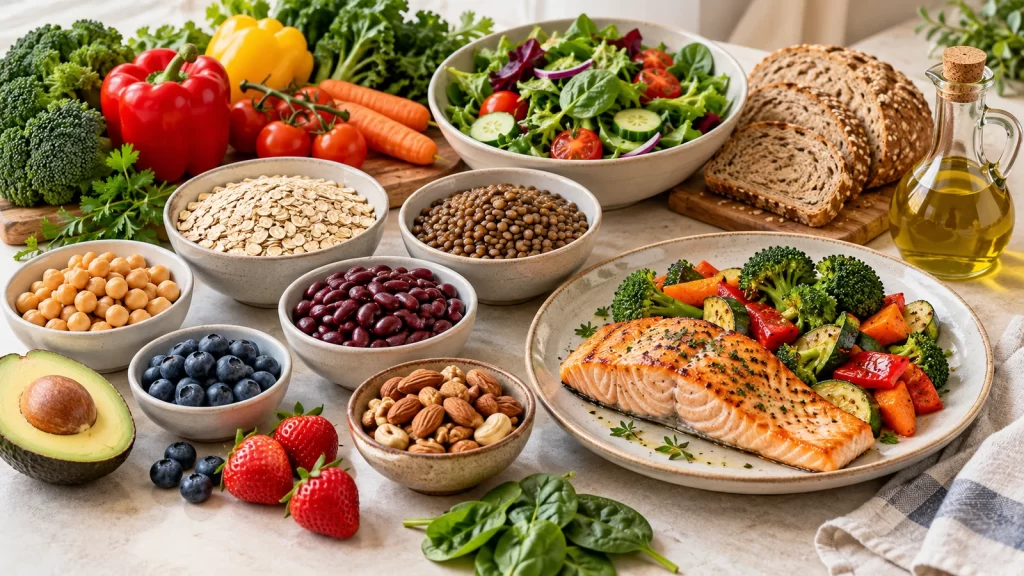
A cardiac diet is an everyday eating pattern designed to support heart and blood vessel health. The practical emphasis is on vegetables, fruit, whole grains, healthy protein sources and unsaturated fats, with less sodium, added sugar and saturated fat. The American Heart Association’s 2026 dietary guidance focuses on the overall pattern rather than one protective food. That makes room for different cuisines, household routines and ways of obtaining meals. You do not need a branded program, expensive powders or a completely new pantry to begin. Think about the foods you eat repeatedly and which realistic changes you could keep making. This approach can support cardiovascular care, but no menu guarantees protection from heart disease. [1]

DASH and Mediterranean patterns: two practical starting points
DASH offers a structured framework
DASH stands for Dietary Approaches to Stop Hypertension. The NHLBI framework includes vegetables, fruit, grains, low-fat or fat-free dairy, lean protein, beans, nuts and seeds. It is flexible enough to use ordinary supermarket foods. Its serving tables vary with calorie needs, so a sample 2,000-calorie menu is not a universal prescription. DASH materials describe sodium levels of 2,300 or 1,500 milligrams daily; your team can help decide which goal fits your circumstances. A useful first step is to compare your usual meals with the food groups in the plan rather than trying to memorize every serving immediately. If portions or multiple medical restrictions are confusing, ask for help translating the framework into meals you already recognize. [2]
Mediterranean-style eating emphasizes a pattern, not a country
There is no single Mediterranean diet. Food traditions differ across the many countries around the Mediterranean Sea, but common features include plentiful plant foods, beans, whole grains, nuts and olive oil, with fish and poultry more often than red meat. You can use those principles without buying imported ingredients or cooking unfamiliar recipes every night. For example, a familiar bean dish, vegetables and a whole-grain staple can reflect the same general approach. Choose the style that best suits your tastes and household, then adjust sodium and saturated fat where needed. Wine is not required. Avoid interpreting a favorable diet name as permission to ignore the ingredients, portion sizes or preparation of an individual meal. [3]
Foods to include more often
Vegetables and fruit: make them easy to reach
Include a variety of vegetables and fruit across your meals instead of relying on one supposed superfood. Different choices provide different combinations of fiber, vitamins and minerals. Adding fruit to breakfast and vegetables to lunch and dinner creates repeated opportunities without making a single meal enormous. Try sliced fruit with plain yogurt, grated vegetables in a sandwich, or an extra vegetable in a stew. The AHA suggests filling about half the plate with vegetables and fruit as a simple visual guide. Treat that as a starting point that can be adjusted to your appetite and medical plan. Whole fruit is generally a more useful everyday choice than fruit drinks, which may contain substantial added sugar. [4]
Fresh produce is one option, but frozen and canned forms can also fit well. Plain frozen vegetables are convenient when washing and chopping feel difficult, and you can cook only the amount you need. Canned vegetables and beans labeled no-salt-added or lower-sodium can be useful cupboard staples. Drain and rinse suitable canned foods to remove some sodium. For canned fruit, choose versions packed in water or their own juice rather than syrup. Check frozen products for added sauces or sweeteners instead of assuming all packages are alike. A mix of fresh, frozen and canned foods may suit your budget and storage better than insisting everything be fresh, especially when fresh produce often spoils before you use it. [5]
Whole grains provide useful variety
Whole grains retain the bran, germ and endosperm, while refining removes parts of the grain and often reduces its fiber content. Options include oats, brown rice, whole-wheat bread, barley, millet, whole-grain pasta and unsalted popcorn. Choose one familiar staple to change first. You might use oats at breakfast or replace some white rice with brown rice while adjusting to its texture. A dark bread color or the word multigrain does not establish that a product is mostly whole grain. Read the ingredients and look for whole grain or whole wheat near the beginning. Dietary fiber can support cholesterol management, but the benefit comes from a continuing eating pattern rather than one bowl of cereal. [6]
Beans and lentils can be the main protein
Beans, chickpeas, peas and lentils supply plant protein and fiber and can replace some red meat. They work in familiar dishes such as soups, rice bowls, curries, salads and tacos. A useful transition is to replace part of the meat in a recipe with beans, then decide whether you enjoy a fully bean-based version. Choose no-salt-added or low-sodium canned options where available, or prepare dried beans without added salt. Rinsing canned beans helps reduce excess sodium. There is no need to choose the most fashionable variety: kidney beans, black beans, mung beans and lentils all offer options. Keep preparation practical by choosing a form that matches the time and equipment you have. [7]
If you eat meat, choose lean, unprocessed cuts and skinless poultry more often, and make processed meats such as bacon, sausages, salami and deli slices less frequent choices. A poultry label alone does not make a heavily processed product a better option. Preparation also matters: trim visible fat and use baking, roasting, stewing or grilling rather than routinely deep-frying. Consider building the meal around vegetables, beans and a grain, with a smaller portion of meat if desired. For sandwiches, leftover plain cooked chicken can provide an alternative to salty deli meat. Check packaged poultry for added broth or sodium solution, because products that look similar can differ considerably in what has been added. [8]
Fish, dairy and nuts each have a place
The AHA recommends two servings of fish each week, particularly fatty fish such as salmon or sardines. Its example serving is three ounces of cooked fish. Fish provides protein, and oily varieties provide omega-3 fats. A serving baked with lemon and herbs is one practical way to include it; the recommendation does not mean that every fish product or preparation is equivalent. Choose a variety and follow relevant fish advisories. People who are pregnant, might become pregnant or are breastfeeding need specific advice about mercury and fish choices. If you do not eat fish, discuss your overall pattern with a dietitian rather than assuming an over-the-counter fish-oil capsule is a direct substitute. [9]
For people who include dairy, plain low-fat or fat-free milk and yogurt are useful starting choices. These can replace higher-fat versions while retaining important nutrients. A gradual transition may be easier if the taste of a different milk is unfamiliar. Cheese varies, so consider the type and amount rather than treating all cheese as interchangeable. If you choose plant-based alternatives, look for fortified products and check the label; a drink marketed as plant-based can still contain coconut or palm ingredients with substantial saturated fat. Your choice should work with allergies, intolerances and preferences. Avoid buying a product only because its front label sounds healthy without checking what the actual serving provides. [10]
Nuts can add protein, fiber and fats to snacks and meals. The AHA gives a small handful, around one ounce, as an example serving of whole nuts, or two tablespoons of nut butter. These amounts illustrate portions rather than a requirement to eat nuts at every meal. Compare nut butters for sodium, added sugar and tropical oils, and use plain options when they suit your taste. Nut butter on apple slices or a small portion of nuts alongside fruit can be a convenient snack. Respect allergies and choose alternatives that are safe for your household. Store nuts appropriately and discard them if they develop a rancid smell or unpleasant bitter taste. [11]
Choose fats thoughtfully rather than removing all fat
Saturated fat can raise LDL cholesterol, which is one contributor to cardiovascular risk. Common sources include butter, fatty meats, full-fat dairy and tropical fats such as coconut and palm oil. Replacing some of these with unsaturated fats is more useful than simply aiming for a meal labeled low-fat. The AHA’s saturated-fat advice recommends a pattern with less than 6% of calories from saturated fat, approximately 13 grams a day for a 2,000-calorie intake. That is an AHA target, not a personalized calorie prescription or a universal limit for every situation. Ask your clinician or dietitian what target is appropriate for you, particularly if you have high LDL cholesterol. Start with the foods that contribute most often to your usual intake. [12]
Olive, canola, sunflower, soybean and other nontropical liquid plant oils can replace butter, lard or coconut oil in many cooking tasks. You do not have to buy the most expensive bottle to make a useful change. Choose an oil whose taste, price and cooking uses suit your household, and use it in place of an existing solid fat. Try a little oil with vinegar and herbs for dressing, or use it when roasting vegetables. More is not automatically better simply because the fat is unsaturated. Store oils in a cool, dark place and avoid using oil that smells rancid or has begun to smoke. The cooking method still matters; an unsaturated oil does not make routine deep-frying the preferred approach. [13]
Sodium: know the goal and find the main sources
The AHA recommends no more than 2,300 milligrams of sodium daily and describes no more than 1,500 milligrams as an optimal goal for most adults. These figures refer to sodium from the whole day, including packaged foods and restaurant meals, not just salt added at the table. They also need context: people with specific medical instructions or substantial sodium losses through heavy sweating may need different advice. Do not assume the lowest possible number is always the right personal target. If your clinician has set a limit, write down the number and units and ask how to distribute it across meals. For related care, see our guide to blood pressure care and follow-up. [14]
On U.S. labels, low sodium means 140 milligrams or less per serving, while reduced sodium means at least 25% less than the regular product. A reduced-sodium soup can therefore still contribute a substantial amount. No-salt-added means salt was not added during processing; it does not promise zero sodium. Much dietary sodium comes from packaged and prepared foods, including products that do not taste especially salty. Compare breads, soups, sauces, snacks and ready meals you buy repeatedly. The total sodium line includes sodium from ingredients other than table salt, so it is a more reliable guide than flavor alone. Compare equal serving amounts and consider the amount you will actually eat, especially when a package contains several servings. [15]
Build flavor with garlic, onion, ginger, herbs, spices, citrus or vinegar, and taste before adding salt. Gradually reducing salt may be easier than abruptly changing every recipe. Compare similar sauces and condiments, and use smaller amounts of those that are particularly salty. A spoonful measured into a dish is easier to keep track of than repeated pours from a bottle. Cooking plain rice, pasta or cereal without salt gives you more flexibility with the accompanying ingredients. Roasting, grilling and sautéing can also bring out flavors. These changes are options to experiment with, not a demand that every meal taste identical. Potassium-based salt substitutes need a separate safety check; they are not automatically suitable for everyone. [16]
Read a food label in a useful order
Start with serving size and servings per container. The FDA explains that the labeled serving reflects what people typically consume; it is not a recommendation for your personal portion. If you eat two servings, double the listed nutrients. For example, a hypothetical food with 350 milligrams of sodium per serving provides 700 milligrams if you eat two servings. Then compare sodium, saturated fat, added sugars and fiber between similar products. As a general U.S. label guide, 5% Daily Value or less is low and 20% or more is high. Daily Values are reference numbers, so they may differ from a target set by your care team. Use the label to make a comparison, not to judge the entire quality of a food from one number. [17]
Read the ingredient list alongside the Nutrition Facts panel. Ingredients are listed in order of quantity, which helps you see what the product is mainly made from. Sugar can appear under several names, including syrups, agave nectar and cane-derived ingredients; sodium can also come from several compounds. Recognizing a familiar ingredient does not tell you the total amount of a nutrient, so return to the numerical panel for that question. Conversely, a long or unfamiliar ingredient name is not by itself a reason to assume a food is harmful. A practical comparison asks both what the food contains and how much sodium, saturated fat or added sugar comes with the portion you plan to eat. [18]
Added sugars and drinks deserve a separate look
Added sugars differ from sugars naturally present in foods such as whole fruit or plain milk. On a U.S. label, the added-sugars line helps you identify sweeteners added during preparation or processing. Honey, syrups and raw sugar still count as added sugars when used this way. Look at products you have frequently, including sweetened yogurt, breakfast cereals, bars and flavored milk, rather than focusing only on desserts. Choosing a plain version and adding fruit yourself is one way to adjust sweetness to your taste. You can also reduce the amount or frequency of a sweet food you enjoy. The purpose is to leave more room in your eating pattern for foods that provide useful nutrients. [19]
Sugary drinks can be an easy-to-miss source of added sugar because coffee, tea, flavored waters and sports drinks vary widely. Check the entire container rather than assuming one bottle equals one serving. Water, plain sparkling water or an unsweetened drink can replace a regularly sweetened choice. If the change feels abrupt, gradually mix a sweetened drink with an unsweetened version and adjust the proportions. Keep an appealing alternative available where you usually reach for a drink, such as at your desk or with lunch. Choosing a less-sweet drink is a food-choice strategy; it does not establish how much fluid you should drink. Anyone with a prescribed fluid allowance should follow that individualized instruction. [20]
Simple swaps that keep meals familiar
Processing is not a useful all-or-nothing test. Washing, freezing, canning and pasteurizing can make foods safer or more convenient, and many nutritious foods are processed in some way. Plain frozen vegetables, canned beans and packaged whole grains can be practical parts of a cardiac diet. Highly processed products may contain substantial sodium, saturated fat or added sugar, so compare the actual product rather than rejecting every package. Choose convenient foods that help you assemble meals you can sustain. A ready-to-use ingredient may be worth buying if it makes the difference between having a balanced meal and having no workable option. Use the nutrition label, ingredient list and your overall pattern together. [21]
| Usual choice | A change to try |
|---|---|
| Butter used to coat a cooking pan | Use a small amount of a nontropical liquid oil or suitable cooking spray, keeping the rest of the recipe familiar. [22] |
| Regular canned vegetables or beans | Compare with a no-salt-added or lower-sodium version. Drain and rinse appropriate canned foods before adding them to the dish. [22] |
| Refined-grain bread or pasta | Try a whole-grain version and check that a whole grain appears prominently in the ingredient list. [22] |
| Bottled creamy dressing | Experiment with an oil-and-vinegar dressing flavored with herbs, or a lower-fat homemade option that you enjoy. [22] |
| Poultry with skin or a fatty cut of meat | Choose skinless poultry or a lean cut, and remove visible fat before preparing the meal. [22] |
An illustrative day of heart-healthy meals
| Meal | Example | How to adapt it |
|---|---|---|
| Breakfast | Plain oatmeal with sliced pear and low-fat milk. | Use a different whole fruit or an appropriate unsweetened, fortified alternative to milk if that suits your needs. [37] |
| Lunch | A bowl of brown rice, chickpeas and mixed vegetables with a little olive oil and lemon. | Change the grain, beans or vegetables to familiar local ingredients, checking any packaged sauces for sodium. [37] |
| Dinner | Baked fish, a whole-grain side and cooked vegetables. | Choose tofu or another suitable protein if you prefer, and season with herbs rather than relying on a salty sauce. [37] |
| Optional snack | Fruit with a small portion of nuts, or plain low-fat yogurt. | Choose according to appetite, allergies and your medical plan. A snack is an option, not a requirement to eat beyond your needs. [37] |
Make shopping, eating out and family meals manageable
When eating out, look at the menu and available nutrition information before ordering if that helps you compare options. Ask how a dish is prepared and whether vegetables can replace a side or sauces can come separately. Grilled or steamed wording may be helpful, but it does not reveal every ingredient or the final sodium content. Make a specific request, such as less added salt or dressing on the side, rather than expecting a restaurant to interpret the phrase cardiac diet. If portions are large, sharing or setting some aside may suit your appetite. You can still enjoy meals with other people while making choices that fit your usual pattern and any medical limits you have been given. [23]
Plan around what you already have before writing a shopping list. Choose a few meals that reuse ingredients so that a bag of vegetables or container of yogurt has more than one purpose. Compare unit prices, available storage and the likelihood of using a larger package before buying in bulk. Frozen and canned staples can be useful when fresh options are expensive or shopping is infrequent. If it suits your routine, prepare components ahead for busy days rather than cooking an entirely different meal every evening. Involve the household in choosing changes and start with one or two that feel achievable. A realistic plan accounts for time, transport, kitchen equipment and money, rather than assuming unlimited access. [24]
Heart-healthy changes can preserve cultural foods and shared meals. Many Asian food traditions, for example, already include vegetables, soy foods, lentils, peas, fish and aromatic spices. Depending on the recipe, opportunities may include using less salty sauce, adding vegetables, choosing a whole-grain staple or replacing some ghee, coconut oil or palm oil with a lower-saturated-fat oil. These are adjustable cooking choices, not judgments about an entire cuisine. Ask which ingredients give a favorite dish its essential flavor and which could change without losing what you enjoy. A dietitian familiar with your food traditions can help make advice more practical. The goal is a pattern you recognize and can continue, not a list of foods disconnected from your life. [25]
A brief food diary can help identify a useful next change. Record what you eat and drink, approximate portions and the circumstances, such as rushed lunches or an afternoon gap between meals. Include nutrient amounts only when they relate to a goal you are working on. At the end of the week, look for one repeatable opportunity: a lower-sodium staple, a planned snack or a drink with less added sugar. The record is information, not a score of your character. If detailed tracking feels burdensome, you could simply note the meal or shopping problem you want help solving. Bring those observations to an appointment so advice can address what actually happens in your day. [26]
When a cardiac diet needs individual medical advice
Kidney disease can change otherwise sensible food advice
Chronic kidney disease can change needs for potassium, phosphorus, protein, sodium and fluid, and the requirements can change as kidney function changes. There is no single kidney diet that suits everyone. A food encouraged in a general heart-healthy guide may need a different portion or preparation in your plan. Avoid independently removing large groups of nutritious foods, because too little energy or protein can also create problems. Ask your kidney team or renal dietitian which blood results matter and what limits, if any, apply now. If food cost or access prevents following the plan, say so; a healthcare professional or social worker may help identify resources. The right plan must support adequate nutrition as well as the relevant medical restrictions. [27]
Potassium supplements and salt substitutes require care
Potassium is essential, but more is not always better. The kidneys and several medicines influence its level in the blood. ACE inhibitors, angiotensin receptor blockers and potassium-sparing diuretics such as spironolactone can increase potassium, particularly when kidney function is impaired. Other diuretics can lower it. That means advice to eat extra potassium, take a supplement or switch to potassium chloride cannot be applied uniformly to everyone taking heart medicines. Ask a pharmacist or prescriber to check your actual medication list and recent results before making those changes. Do not stop a prescribed medicine to make a dietary change easier. The appropriate response is coordinated monitoring and an individualized food or supplement plan. [28]
WHO’s 2025 guidance conditionally suggests replacing ordinary table salt with a lower-sodium salt substitute containing potassium when adults choose to use table salt. The scope matters: the recommendation excludes people with kidney impairment or other circumstances that compromise potassium excretion, and does not cover pregnant women or children. It is therefore not a blanket instruction for every household or person with heart disease. Read the ingredients of products labeled light salt, low-sodium salt or salt alternative rather than relying on the name. If your situation falls outside the general recommendation, get advice before using one. Using a substitute also does not remove the need to consider the sodium already present in packaged and prepared foods. [29]
Heart failure does not mean an automatic fluid limit
Do not impose a standard fluid restriction simply because a person has a cardiac diagnosis. NICE guidance for chronic heart failure says not to routinely advise everyone to restrict sodium or fluid. It recommends assessing intake and individual circumstances, including considering fluid restriction for dilutional hyponatremia and reducing excessive intake where relevant. The need should be reviewed over time. NICE also advises people with heart failure to avoid potassium-containing salt substitutes. If your team has prescribed a fluid or sodium limit, follow it and ask exactly what counts, how to measure it and when it should be reviewed. This individualized approach should not be interpreted as advice to ignore an existing care plan or to consume unlimited salt or fluid. [30]
Medicines can affect which food changes are safe
People taking warfarin usually need a reasonably consistent intake of vitamin K rather than avoiding green vegetables altogether. A sudden large change in foods such as leafy greens can affect warfarin’s action and the blood test used to monitor it. Tell your anticoagulation team before substantially changing your eating pattern so they can advise on monitoring. Consistency can include a nutritious diet with vegetables; it does not require keeping an unbalanced diet forever. Bring specific examples, such as a new daily green smoothie or a major change in salad portions, rather than simply saying you are eating healthier. This advice concerns warfarin and should not be assumed to apply identically to every blood thinner. [31]
Grapefruit and grapefruit juice interact with some medicines, including certain statins, but not every medicine in a class is affected in the same way. Depending on the drug, the interaction can change the amount reaching the bloodstream and increase unwanted effects. Ask your pharmacist about the specific product and dose you take rather than applying a general internet list to your whole medicine cabinet. Check mixed fruit drinks if you have been told to avoid grapefruit. The FDA also notes that related fruits can be relevant with some affected medicines. Do not stop treatment or assume a different time of day solves the problem; follow the advice for your exact medicine. [32]
Diabetes requires attention to timing and carbohydrate amounts
A heart-healthy pattern can work alongside diabetes care, but what, how much and when you eat all matter. Whole grains, beans and fruit still contain carbohydrate even when they are nutritious choices. Your diabetes team can help coordinate portions, glucose monitoring and medicines without unnecessarily removing those foods. Skipping or delaying meals can cause low blood glucose in people using insulin or medicines such as sulfonylureas. Avoid making a sudden fasting or major carbohydrate-reduction plan without discussing medication safety. Ask whether a plate-based approach or carbohydrate counting would be useful for you. The best method is one you understand and can use consistently with your treatment, work schedule and other health needs. [35]
Alcohol and supplements are not required for heart health
Do not start drinking alcohol for a supposed heart benefit. The AHA does not recommend wine or any other alcoholic drink as a health strategy, and observed associations in some studies do not prove alcohol causes better heart outcomes. Alcohol can increase blood pressure and contribute to rhythm problems and other cardiovascular harms, particularly with heavy or binge drinking. It can also interact with medicines. Do not drink alcohol during pregnancy; some conditions and medicines also require avoiding it. If you drink, discuss whether reducing or avoiding it is appropriate for your conditions and treatment. A traditional eating pattern that sometimes includes wine can be followed without it. Choose an alcohol-free drink you enjoy, and avoid treating a daily glass as if it were a prescribed protective food. [33]
A supplement cannot supply the full mix of fiber and other components found in a varied eating pattern. The AHA advises a food-first approach and does not recommend relying on vitamin products to compensate for poor diet quality. Some people do need a supplement for a specific nutritional reason, but that is different from buying a product advertised as a heart cleanse or universal protection. Discuss the reason, ingredients and dose with a qualified professional before starting one. Keep expectations proportionate: a claim on a bottle is not proof of improved health outcomes. If cost is a concern, prioritize a workable food plan and ask which products, if any, are actually needed for your circumstances. [34]
Turn general advice into a plan you can use
After a heart attack, heart procedure or another eligible cardiac condition, ask whether cardiac rehabilitation is appropriate. It is a medically supervised program that can combine exercise support, education for heart-healthy living and help with stress. Nutrition questions belong in that broader recovery conversation. Keep taking prescribed medicines as directed; improving meals is not a reason to stop them. Bring your usual meals, shopping constraints, medicine list and any written dietary instructions so the team can help make the advice consistent. Ask what change to prioritize now, what follow-up is planned and who to contact if instructions conflict. A sustainable cardiac diet is part of ongoing care: meals should be practical, enjoyable and matched to your needs, with professional support when medical conditions make the choices more complicated. [36]