
General dental health information. Sources checked October 12, 2026; publication and review dates vary. This guide cannot diagnose a tooth problem or replace advice from your dental team. Children, pregnant people, and people with complex medical needs need an individual care plan.
When tooth decay needs urgent dental care
Get emergency medical help now if dental or mouth swelling makes it hard to breathe, speak, or swallow. Major swelling inside the mouth, difficulty opening the mouth, a swollen or painful eye, or new eyesight problems also need immediate assessment. Call your local emergency number, such as 911 in the United States or 999 in the United Kingdom. Do not wait for an ordinary dental appointment. [1]
A swollen face or jaw, severe tooth or gum pain, fever, or a bad taste can indicate a dental abscess, a collection of pus caused by infection. Contact an urgent dental service if you suspect one. An abscess needs treatment and will not resolve on its own. In the UK, NHS 111 can help you find urgent dental care when your dentist is unavailable. [1]
When you call, describe the symptoms before asking about the price or a routine check-up. Say where the swelling is, whether it is increasing, whether you can swallow and open your mouth, and when the pain began. Mention the person’s age and important medical conditions. If the service redirects you, write down where to go and whom to contact if the situation changes before you are seen.
What is tooth decay, and can it be reversed?
Tooth decay, also called dental caries, begins when bacteria in dental plaque use sugars and starches to produce acids. These acids remove minerals from the tooth’s outer enamel. Saliva and fluoride can help replace some lost minerals. Problems develop when repeated acid exposure outpaces this repair process. Decay is therefore a process that can change over time, rather than simply a hole that appears overnight. [2]
An early area of mineral loss may look like a chalky white spot while the surface remains intact. At this stage, fluoride and changes that reduce acid exposure may stop or reverse the process. Once the surface breaks down into an established cavity, the missing tooth structure does not grow back with toothpaste or a home remedy. A dentist must assess it and choose appropriate treatment. [2]
Ask whether a finding is an early noncavitated lesion, an established hole, or a lesion being monitored because it is inactive. Those distinctions matter more than calling everything a “small cavity.” The dentist considers the lesion’s depth and activity alongside your overall risk. Restoring a damaged tooth addresses the local problem, but preventing further disease requires attention to the conditions that allowed decay to develop. [4]
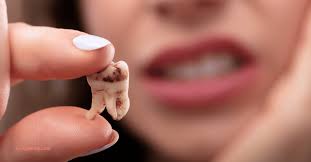
A useful way to organise the conversation is to separate three questions: “What has happened to this tooth?”, “What treatment does it need?”, and “What would reduce the chance of another problem?” Write the answers separately. A plan that only names a filling may leave you unsure about prevention; a plan that only names toothpaste may leave you unsure what will happen to an existing hole.
Symptoms of tooth decay and problems that can feel similar
Early decay may cause no pain or other obvious symptoms. As damage progresses, you may notice toothache, sensitivity to hot, cold, or sweet foods, a visible hole, or white, brown, or black marks. Arrange a dental assessment if you suspect decay in yourself or your child. Waiting until eating or sleeping becomes difficult can allow a problem to become more complicated. [3]
Pain alone does not identify the cause. A cracked tooth, a loose or broken filling, gum disease, or other dental problems can also cause toothache. The NHS advises dental assessment for pain lasting more than two days, pain not relieved by painkillers, or pain accompanied by fever, a bad taste, pain on biting, or cheek or jaw swelling. Severe or worsening symptoms deserve earlier help, using the urgent warning signs above. [9]
Decay is different from acid erosion
Dental erosion is loss of tooth tissue from acids that do not come from plaque bacteria. Acidic drinks, reflux, and repeated vomiting can contribute. A sugar-free drink may still be acidic, so “no sugar” does not automatically mean it is harmless to enamel. Erosion and caries require different assessments even though both can damage teeth and cause sensitivity. Tell the dentist about frequent acidic drinks, reflux, or vomiting rather than assuming every worn or sensitive area is a cavity. [5]
A sore on the cheek is not a cavity in a tooth
Mouth ulcers affect the soft lining of the mouth, often the cheeks, lips, or tongue. They are different from tooth decay. Most clear within one or two weeks, but an ulcer lasting longer than three weeks should be checked by a dentist or doctor. Read our guide to canker sore symptoms and when to get help for that separate problem. Do not assume an unexplained persistent sore is a routine canker sore. [6]
Before your appointment, note whether discomfort seems to come from a tooth, the gum beside it, or the cheek or tongue. Record triggers such as a cold drink or biting, and whether pain stops quickly or continues afterwards. This is information for the dentist, not a way to diagnose yourself. A clear description is more useful than repeatedly testing the area or comparing it with photographs online.
Why some people develop cavities more easily
Caries risk reflects several interacting factors. Recent cavities or restorations, frequent sugary drinks or snacks, low saliva flow, and difficulty carrying out daily oral care can all matter. Medical treatments and disability-related barriers may change the picture. A risk assessment should connect these findings to a practical plan, rather than label someone as careless. Two people using a similar toothbrush can still need different preventive support and follow-up. [4]
Bring an honest account of a typical day, including drinks between meals, medicines, and times when cleaning is difficult. Include weekends or night shifts if they differ from ordinary weekdays. You do not need to make your routine look better before describing it. The most useful detail is often a small repeated habit, such as carrying a sweetened drink for several hours, rather than a single unusual celebration.
Monitoring early lesions is an active part of caries care. The dental team records their condition and checks whether they remain stable or progress. Ask which areas are being watched, which preventive steps accompany that decision, and when reassessment is planned. “We are monitoring it” should come with a plan you understand, rather than an assumption that the finding no longer matters. [4]
What a dental examination can establish
At a check-up, the dentist examines your teeth, gums, and mouth and asks about general health, symptoms, diet, and cleaning habits. The next check-up should be based on your oral health and future risk. A six-month schedule is not compulsory for everyone: some people need closer review and others can go longer. Problems that appear between planned visits should prompt contact with the practice rather than waiting for the recall date. [7]
Dental X-rays can reveal damage that is not visible during an ordinary examination. Their timing depends on your symptoms, age, oral health, and risk, rather than an automatic schedule for everyone. Current ADA guidance emphasises a clinical examination first, then images when they will help diagnosis or management. Ask what the proposed image is meant to answer and whether useful recent images can be obtained from your previous practice. [8]
An image is one part of assessment. Your dentist should explain how the examination and any imaging fit together and why a particular treatment is recommended. You can ask to see the affected area on a photograph or X-ray, but you are not expected to interpret it independently. If you seek another opinion, request the diagnosis, proposed treatment, and relevant records so the next clinician can assess the same question. [8]
How dentists treat tooth decay
Treatment depends on how far decay has progressed. Early changes may be managed with dentist-directed fluoride treatment. An established cavity commonly needs a filling. If decay reaches the soft tissue inside the tooth, root canal treatment may be needed, while some teeth cannot be retained and require extraction. The right choice follows an examination; the amount of pain is not a reliable treatment menu. [3]
Fillings and protecting the remaining tooth
A restoration repairs a damaged area using a material selected for the tooth and situation. The ADA’s 2023 guideline supports conservative approaches to removing decayed tissue in many moderate and advanced lesions. Selective removal can help preserve healthy structure and reduce the risk of exposing the pulp. This is a controlled clinical decision, not evidence that leaving any untreated cavity alone is safe. [11]
Material choice depends on factors including the tooth, extent of damage, and clinical circumstances. Ask why the proposed material is suitable, what alternatives are reasonable, and what the dentist expects from the restoration. A guideline supports decision-making but does not replace professional judgment about an individual tooth. The goal is a functional, maintainable result while protecting as much useful tooth structure as possible. [11]
Root canal treatment or extraction
Root canal treatment removes infected tissue from inside a tooth, cleans the internal space, and seals it. It is usually performed with local anaesthetic and may take more than one visit. A temporary filling may be used between appointments, and a crown may be needed afterwards. Sometimes care is provided by an endodontist, a dentist with specialist training in root canal treatment. [12]
If an infected tooth is not treated with root canal therapy, removal may be necessary. Ask whether the tooth can realistically be saved and what each option involves, including the appointments after the initial procedure. Follow-up is part of treatment, especially when a temporary restoration is present. Ask the team which symptoms are expected during recovery and which should trigger an earlier call, rather than assuming every new symptom is normal. [12]
Before agreeing to a plan, ask for its stages in writing. Separate the visit that controls pain or infection from the work that completes the tooth’s repair. Clarify whether an estimate includes imaging, the filling or crown, review visits, and any specialist appointment. If the full plan is difficult to afford or attend, say so early and ask what can be prioritised safely. Do not quietly miss the next stage because you assumed the first visit finished everything.
Why antibiotics are not a cavity cure
Antibiotics do not rebuild a decayed tooth or replace the dental treatment needed to address its source. ADA guidance recommends dental procedures rather than antibiotics for most pulp-related pain and localised swelling in adults who are not severely immunocompromised. Antibiotics may be needed when infection has systemic effects, such as fever or feeling generally unwell. The prescriber also considers the person’s health and whether definitive treatment is available. [13]
Do not borrow antibiotics or use leftovers to postpone care. If they are prescribed, ask what they are treating and when the dental procedure or review will occur. Follow the prescription and contact the clinician about problems or worsening symptoms. The decision to prescribe an antibiotic and the decision to repair, drain, or remove the source are related but separate parts of care. [13]
Sealants, fluoride treatments, and silver diamine fluoride
Dental sealants protect vulnerable grooves
Sealants are thin protective coatings placed on the chewing surfaces of back teeth. They form a barrier over pits and grooves that are difficult to clean. They are especially useful soon after permanent molars emerge, commonly around ages six and twelve, but suitability is assessed individually. Depending on the situation, sealants can be considered for baby teeth and adults too. [15]
CDC reports that sealants can prevent up to 80% of cavities in treated back teeth over two years and continue providing protection for several years. That is a population estimate, not a guarantee for every tooth. Application involves drying the tooth and placing material that sets or is hardened with a light. Ask which teeth would benefit and whether a school-based programme is available if accessing a dental office is difficult. [15]
Silver diamine fluoride can arrest selected lesions
Silver diamine fluoride, or SDF, is a liquid applied by a dental professional that can stop or slow selected caries lesions. It may be helpful when conventional treatment is difficult to tolerate or access. In the United States, its use to arrest caries is off-label; its FDA clearance is for tooth sensitivity. It is not a product for self-application or a universal substitute for a complete dental assessment. [14]
SDF permanently turns treated decayed areas black. Discuss that visible change before treatment, especially for front teeth. Reapplication and monitoring are often needed, and arrested decay may still require restoration for shape or function. Ask which lesion will be treated, how success will be checked, and what happens if it remains active. Evidence supports caries arrest in appropriate cases, but a single application should not be presented as a guaranteed permanent solution. [14]
When offered a preventive or minimally invasive procedure, ask the team to name its purpose in ordinary language: preventing a new lesion, stopping an existing lesion, or rebuilding damaged structure. Then ask what you will need to do afterwards and when the result will be checked. These questions make it easier to compare options that may sound similar but have different roles in your treatment plan.
A daily routine that helps prevent tooth decay
Brush thoroughly with fluoride toothpaste
Brush twice daily for about two minutes, including last thing before bed and one other time. Clean the inside, outside, and chewing surfaces, rather than concentrating only on the teeth visible when you smile. A manual or electric brush can work when used thoroughly. After brushing, spit out excess toothpaste instead of immediately rinsing it away with water. [17]
In UK NHS guidance, adult toothpaste should contain at least 1,350 parts per million fluoride, usually shown as “ppm” on the pack. Children can use an appropriate family toothpaste; those aged three and under without tooth decay may use a lower-strength product containing at least 1,000 ppm. Ask your dental team which concentration fits your child’s age and risk. UK guidance also recommends helping or supervising brushing until at least age seven. [17]
The American Dental Association recommends fluoride toothpaste from the first tooth. An adult should dispense the age-appropriate amount and supervise brushing. The quantities below follow US ADA guidance. [16]
| Child’s age | Amount of fluoride toothpaste |
|---|---|
| Under three years | A tiny smear, no larger than a grain of rice, from the first tooth. A parent or caregiver applies it. [16] |
| Three to six years | No more than a pea-sized amount. Supervise brushing and discourage swallowing toothpaste. [16] |
Professionally applied fluoride varnish or prescription-strength products may be useful when risk is higher. They are selected for the individual, not automatically added to every routine. Fluoride supplements also require professional assessment of age, caries risk, and fluoride from drinking water and other sources. Do not combine supplements or borrow high-strength toothpaste intended for another person. [16]
Repeatedly swallowing too much fluoride while teeth are developing can cause fluorosis, which changes enamel’s appearance. Using the recommended small toothpaste amount and supervising children helps limit unnecessary ingestion. Keep the tube out of young children’s reach rather than letting them help themselves or eat toothpaste. [16]
Use mouthwash at a separate time if advised
Children under six should not routinely use fluoride mouthrinse unless specifically advised by a dentist, because they may swallow it. [16]
A fluoride mouthwash can help prevent decay, but using it immediately after brushing washes away the more concentrated toothpaste left on teeth. If your dental team recommends a rinse, choose another time and follow the product’s instructions. NHS advice is to avoid food and drink for thirty minutes afterwards. [17]
Clean between teeth with a method you can use
The ADA recommends cleaning between teeth once a day using floss or another interdental cleaner. Toothbrush bristles do not effectively reach every tight contact. The most suitable tool depends on the spaces between teeth and your ability to use it: floss, appropriately sized interdental brushes, and some powered devices have different practical advantages. Ask for a demonstration in your own mouth, especially around dental work or difficult-to-reach areas. [18]
Be realistic about the evidence. Interdental cleaning helps remove plaque and may improve gum inflammation, but direct long-term trial evidence measuring cavity prevention is limited. It should support, rather than replace, fluoride brushing and dietary measures. If a tool is painful, difficult to hold, or impossible to fit, tell the dental team. The aim is a workable method, not repeated attempts with a device that does not suit you. [18]
Make the routine easy to remember: keep your supplies together, choose a regular time for between-teeth cleaning, and use a timer if brushing tends to be rushed. For shared childcare, agree who does the final check rather than assuming another adult has helped. When travel or a shift pattern disrupts your habits, pack the ordinary supplies you already use and decide in advance where the evening routine will fit.
Sugar amount and frequency both matter
Free sugars include sugars added by manufacturers, cooks, or consumers, plus those naturally present in honey, syrups, fruit juices, and juice concentrates. WHO recommends keeping free sugars below 10% of total energy intake, ideally below 5%, to reduce caries risk across life. “Natural,” “organic,” and “no refined sugar” do not change the fact that honey, syrup, or fruit juice can supply free sugars. [19]
Repeated sugary snacks or drinks give plaque bacteria frequent opportunities to produce acid. UK preventive guidance therefore addresses how often sugar is consumed as well as the total amount. Sipping a sweetened drink throughout the afternoon creates repeated exposure. If you have sugary foods or drinks, keep them to mealtimes where possible instead of spreading them across the day. Saliva production falls during sleep, making bedtime habits particularly relevant. [20]
Whole fresh fruit and the sugars naturally present in plain milk are treated differently from free sugars in UK dietary guidance. Juice and smoothies are not equivalent to eating whole fruit for dental advice. Read the label when choosing drinks, cereals, yoghurts, or plant-based alternatives, and consider unsweetened versions that meet your nutritional needs. A dental prevention plan should support a balanced diet rather than encourage avoiding entire nutritious food groups. [20]
For a practical review, record one ordinary day’s eating and drinking times. Include additions to tea or coffee, sports drinks, and small snacks that are easy to forget. Circle the repeated exposures you would find easiest to change. You might choose a different everyday drink, stop refilling a sweetened bottle, or move a usual treat to a meal. Take the record to your appointment if you want help choosing the most useful change.
Diet advice should fit real life. Explain if you have medically prescribed nutritional drinks, need frequent food for another health condition, or have limited food choices. Ask the relevant clinicians to coordinate the plan instead of stopping necessary nutrition yourself. When caring for someone else, discuss changes with them and the people preparing meals so that a written recommendation becomes a realistic shared routine.
Dry mouth, medicines, diabetes, and older age
Persistent dry mouth deserves attention
Saliva helps wash the mouth and supplies minerals that protect teeth. Persistent dry mouth raises decay risk and can also make talking, chewing, and swallowing uncomfortable. It is not simply an inevitable part of ageing. Causes include many medicines, Sjögren’s disease, diabetes, and some cancer treatments. Ask your dentist or medical clinician to investigate a lasting change, especially if cavities are developing despite your usual routine. [21]
The clinician may review medicines, suggest a saliva substitute, or recommend other measures. Do not stop prescribed treatment yourself. Sipping water and, when safe for you, chewing sugar-free gum may help symptoms. Choose options compatible with any fluid restriction or swallowing advice you already follow. Repeated sugary sweets or drinks used to soothe dryness can undermine dental prevention, so discuss an alternative that is comfortable and practical. [21]
Diabetes and mouth problems
Diabetes can increase the risk of gum disease, contribute to dry mouth, and interfere with healing. Dry mouth can in turn contribute to tooth decay. Tell your dentist you have diabetes and report soreness, bleeding gums, white patches, or persistent dryness. These findings do not all mean caries and may need different treatment. Managing blood glucose and receiving regular dental care are complementary parts of looking after oral health. [26]
Making daily care accessible
Older adults may face difficulties with grip, vision, hearing, memory, or access to appointments. They may also take several medicines that affect dental care. Decay can involve tooth crowns or roots. A useful plan considers the person’s abilities and medical situation rather than assuming ordinary instructions are enough. Ask whether adapted equipment, assistance with cleaning, or a different appointment format would make care more manageable. [24]
When gums recede, root surfaces become exposed and can develop decay. This is one reason retaining natural teeth into later life still requires preventive care. If gripping a brush is difficult, a wider handle or an electric brush may help; floss holders or interdental brushes may also make cleaning more accessible. Ask the team to show an adaptation and check that it actually works for the person using it. [24]
If you support another adult, ask how they prefer to receive help and what they can comfortably do themselves. Keep their current medication list and dental plan available for appointments. Agree who will arrange transport, collect any prescribed products, and follow up unanswered questions. Bring difficulties back to the dental team instead of simply recording that the person “would not comply.” The barrier may be pain, access, communication, or an impractical routine.
Tooth decay prevention for children and during pregnancy
Start dental care before there is a problem
The American Academy of Pediatric Dentistry recommends establishing a dental home within six months of the first tooth and no later than the first birthday. The visit provides a chance to assess risk, demonstrate cleaning, and discuss feeding. Baby teeth need care even though they will eventually be replaced. Early childhood caries is a significant disease, and prevention is more useful than waiting for a child to report pain. [23]
Discuss bottles, cups, and overnight feeding with the child’s dentist and paediatric clinician, particularly after twelve months. AAPD guidance highlights frequent sugar-containing foods and drinks and on-demand or nocturnal bottle-feeding or breastfeeding beyond that age as relevant to prevention. This is a reason for an individual feeding and oral-care discussion, not an instruction to abruptly stop necessary feeds. Avoid added-sugar foods and drinks in children under two, consistent with AAPD guidance. [23]
For a child’s appointment, tell the practice about communication needs, sensory sensitivities, previous difficult experiences, and what helps them feel settled. Ask whether you should bring the child’s usual brush or toothpaste for a demonstration. Agree a simple plan that every caregiver can understand. If a recommendation seems impossible at home, explain the exact sticking point so the team can help adapt it rather than leaving with instructions you cannot use.
Needed dental treatment can be provided during pregnancy
Routine and urgent dental care can be provided throughout pregnancy. The ADA states that necessary dental X-rays, local anaesthesia, restorations, root canal treatment, and extractions can be used when clinically indicated. Delaying a painful or infected tooth solely because of pregnancy can make the problem harder to manage. Tell your dentist you are pregnant, how far along you are, what medicines you take, and whether the pregnancy team has identified any special concerns. [22]
Nausea, vomiting, dietary changes, and difficulty brushing can complicate oral care during pregnancy. Ask for a plan that you can tolerate and for pregnancy-appropriate advice before choosing pain medicines. Dental and maternity clinicians can coordinate when there are medical complications. Do not assume that every dental medicine is interchangeable or that an online list can replace assessment of your particular situation. [22]
Repeated vomiting also exposes teeth to stomach acid, which can contribute to erosion. After vomiting, rinse with water rather than brushing immediately; discuss ongoing vomiting or reflux with your healthcare team. This advice addresses acid exposure and does not remove the need for the regular fluoride routine. If nausea repeatedly prevents brushing, describe when it happens so the team can help you find a manageable approach. [5]
What to do while waiting for a dental appointment
For temporary comfort, choose soft foods, avoid chewing with the painful tooth, and avoid foods or drinks that trigger pain. A pharmacist can advise whether an over-the-counter pain medicine is appropriate for your age, health conditions, pregnancy status, and other medicines. Follow the label and do not exceed the recommended dose. Children under sixteen should not take aspirin. These measures may reduce discomfort while you wait, but they do not treat the cause. [9]
Do not put aspirin directly on a tooth or gum, and do not use sharp or pointed objects to dig around a painful area. The ADA’s emergency advice specifically cautions against these practices. Do not attempt to drill, scrape away decay, drain an abscess, or pull a tooth yourself. Tell the dental service about a broken tooth, lost filling, or object you cannot safely remove rather than improvising a procedure. [10]
If anxiety has kept you away
Tell the practice what worries you before the visit. You can ask how the first appointment will be structured, whether treatment is planned that day, and how to signal that you need a pause. Name a specific concern, such as needles, feeling judged, or not understanding what is happening. Ask the clinician to explain options before starting. You do not need to justify a long gap in attendance before you can request help with the current problem.
When cost or access is the obstacle
In the United States, dental-school clinics may provide supervised care at reduced cost. State or local health departments and community information services may help identify local programmes. Availability, eligibility, waiting times, and the treatment offered vary, so contact the service directly. NIDCR provides information about finding care but does not itself supply dental treatment or financial assistance. Be cautious about advertisements claiming it offers free implants or payment for treatment. [25]
When contacting a clinic, ask whether it treats your age group, handles your current problem, accepts your insurance or offers reduced fees, and can provide the next stages of care. Explain any urgent symptoms at the start of the call. Keep a short list of whom you contacted and what they said. If you are redirected, ask for the service’s actual name and contact details rather than relying on a vague suggestion to “try somewhere else.”
At the end of the dental visit, make sure you know what was completed, what remains, and the next appointment date. Ask for the preventive plan in a format you can follow, including the product names or strengths if relevant. Save the practice’s out-of-hours instructions. The most useful outcome is a clear next step that fits your daily life, with a way to get help if pain, swelling, or practical difficulties change the situation.
Related video
The original video is retained below as supplementary material. Its contents have not been independently medically reviewed for this update. Use the written guidance and linked professional sources for care decisions, and seek a dentist’s assessment for an individual problem.





