
Evidence checked: 11 October 2026. This guide provides general health information and does not diagnose an individual mouth sore or replace advice from a dentist or doctor.
A canker sore is a painful, shallow ulcer that forms on the lining inside the mouth. The medical name is an aphthous ulcer. Most small canker sores settle within one to two weeks, although eating, drinking and speaking can be uncomfortable while they heal. They are not contagious and are different from the herpes infection that causes cold sores. [1]
The useful questions are whether the sore is improving, whether you can drink normally, and whether this is your usual pattern. A new or persistent mouth lesion deserves assessment rather than repeated treatment based on its appearance. This guide explains typical canker sores, practical comfort measures, options a clinician may recommend, and the changes that should prompt medical or dental care.
What a canker sore looks and feels like
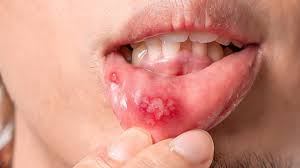
A typical aphthous ulcer has a pale white, grey or yellow centre and a red rim. It may be round or oval and can feel much more painful than its small size suggests. Common locations include the inside of a lip or cheek, the tongue and the soft lining toward the back of the mouth. A tingling or burning feeling sometimes comes before the visible ulcer. One sore may appear alone, or several may develop during the same episode. [3, 5, 8]
An ulcer is a break in the surface lining. It is not a fluid-filled spot that needs to be popped. The soft lining inside the lip is also different from the outer lip skin: an aphthous ulcer can affect the first area, but an external blister or crust needs a different explanation. Mouth injuries can create a similar-looking sore, so appearance and location are clues rather than proof of a diagnosis. [7, 12]
Minor, major and herpetiform ulcers
Clinicians describe three patterns. Minor aphthous ulcers are the most common: they are relatively small and usually heal without a scar. Major aphthous ulcers are deeper and larger, can be very painful, and may take several weeks to heal or leave scarring. They warrant professional assessment, especially when you have not previously had that diagnosis. [3]
Herpetiform aphthous ulcers occur as groups of very small sores, sometimes joining into a larger irregular area. Despite the name, this pattern is not caused by herpes. The terminology describes how the ulcers look, not an infection you can pass to somebody else. Do not use the longer healing time of major ulcers as a reason to leave an unexplained sore unchecked beyond three weeks. [3, 16]
Canker sores versus cold sores
Both conditions can hurt and may begin with tingling, which is why those sensations alone cannot tell them apart. Their usual location, appearance and cause are different. A cold sore commonly begins as small fluid-filled blisters around the outer lip; these may break and crust. A canker sore is an ulcer inside the mouth and does not follow that external blister-to-scab pattern. [1, 10]
| Feature | Canker sore | Cold sore |
|---|---|---|
| Usual site | Soft lining inside the mouth | Outer lip or surrounding skin |
| Typical appearance | A shallow pale ulcer with a red border | Fluid-filled blisters that may crust |
| Underlying cause | Not fully understood; several factors may contribute | Herpes simplex virus |
| Can it spread to others? | Aphthous ulcers are not contagious | Herpes can spread through close contact |
| Treatment focus | Comfort, local inflammation and any underlying problem | Comfort and, when appropriate, antiviral treatment |
This comparison describes common patterns, not a home diagnostic test. Herpes can also produce sores inside the mouth, particularly during an initial infection. In children, widespread painful sores with swollen gums, fever and refusal to drink may be herpes gingivostomatitis. A clinician considers the whole mouth and the child’s overall condition; the statement “inside means canker sore” is too simplistic. [11]
If a lesion might be a cold sore, avoid kissing and oral sex until it has healed, and wash your hands after touching it. Never kiss a baby while you have a cold sore. These precautions relate to possible herpes, not confirmed aphthous ulcers. If you are unsure which condition you have, a pharmacist, dentist or doctor can advise before you choose treatment. [10]
Why canker sores happen
There is no single established cause that explains every canker sore. A person’s susceptibility, local irritation and other health factors may interact. Some people notice a reliable trigger; others develop ulcers despite careful mouth care and a balanced diet. Having a sore is not evidence that you have failed to keep your mouth clean, and identifying one possible trigger does not rule out another cause. [1, 5]
Injury and repeated friction
Cheek biting, brushing too forcefully, recent dental work and rough dental appliances can injure the mouth. Sometimes the result is a straightforward traumatic ulcer rather than recurrent aphthous disease. A sharp tooth edge or poorly fitting denture can keep disturbing the same spot. In that situation, covering the discomfort with a gel leaves the source of injury in place. A dentist can examine the area and adjust the responsible tooth, filling or appliance when appropriate. [9]
Notice whether the sore sits beside a brace wire, denture edge or broken filling, but do not attempt to file a tooth or reshape an appliance yourself. Describe the contact point when arranging dental advice. If a sore persists after the irritation is corrected, return for review rather than assuming that friction still explains it. The aim is to let the tissue heal and confirm that it actually does. [9, 20]
Foods, toothpaste and personal patterns
Acidic, spicy, salty or rough foods may sting an existing ulcer. That does not automatically mean you are allergic to them or that they caused the outbreak. Possible food sensitivities differ between people, and evidence does not support one universal list of foods that everyone with canker sores must avoid. Temporarily choose foods that feel comfortable; discuss a repeated, convincing association with a clinician before adopting a restrictive diet. [9, 31]
Sodium lauryl sulfate, a foaming ingredient in some toothpastes, can be irritating for some people with recurrent sores. Trying a toothpaste without it may be reasonable, particularly when brushing products seem to aggravate symptoms. Ask your dentist to help you select an appropriate product and continue gentle cleaning. Changing toothpaste is a comfort or prevention trial, not a test that proves the cause of the ulcers. [3, 5, 8]
Stress, hormones and family history
Stress and hormonal changes are reported triggers, and canker sores may run in families. Episodes often begin during childhood, adolescence or young adulthood. These associations can help explain a pattern, but they do not make symptoms imaginary or mean every stressful week will produce an ulcer. A short record of outbreaks is more useful than blaming yourself or trying to eliminate every possible stressor. [13, 31]
Some medicines and low levels of certain nutrients can be associated with mouth ulcers. If sores begin after a new prescription or a change in treatment, tell the prescriber or pharmacist. Do not stop an important medicine on your own. A medication review can consider timing, other symptoms and alternatives while protecting the condition the medicine was prescribed to treat. [8, 19]
Home care that makes healing more comfortable
For a familiar small sore that is improving and causing no warning signs, treatment usually focuses on making normal activities manageable while healing happens. There is no dependable overnight cure. Relief and healing are different outcomes: a product may reduce stinging without making the ulcer disappear immediately. Keep track of whether you are drinking, eating and cleaning your teeth adequately, rather than judging success only by whether the white centre remains visible. [2, 32]
Make meals easier
Choose soft foods that need little chewing, such as porridge, scrambled eggs, smooth yoghurt or cooled soup, according to what suits your usual diet. Avoid sharp crumbs or crunchy edges rubbing the sore. Let hot meals and drinks cool, and leave out acidic sauces or spicy seasoning if they sting. These are temporary adjustments for comfort, not a requirement to exclude entire food groups once the mouth has healed. [2, 32]
Keep a drink within reach and take comfortable sips regularly. Cool water may be easier than citrus juice or fizzy drinks. A straw can sometimes help direct a drink away from an ulcer, but use it only if it is comfortable and appropriate for the person drinking. If pain makes you unable to take enough fluid, seek advice promptly instead of simply waiting for the sore to clear. [15, 32]
Keep brushing gently
Use a soft toothbrush and take care around the sore. Continue cleaning the teeth and between them as comfortably as possible; scrubbing the ulcer itself is unnecessary. If a product burns, ask a pharmacist or dental professional for a gentler alternative. Avoid alcohol-containing mouthwashes while sores are painful, because they can further irritate the affected lining. More intense stinging is not a sign that a rinse is working better. [1, 6]
Use rinses and pain products safely
A mild saline mouth rinse may soothe the mouth. Ask a pharmacist about a suitable preparation or follow a reputable product’s directions. Rinse gently and spit it out. This option is only suitable for someone who can reliably rinse and spit; it is not suitable for babies or young children who may swallow it. Do not rub dry salt into an ulcer or turn a rinse into a concentrated paste. [2, 12]
Protective oral pastes, gels and pain-relieving products can help some people. Choose products intended for use inside the mouth and follow their label or the clinician’s instructions. Tell the pharmacist about age, pregnancy or breastfeeding, allergies, other illnesses and medicines before choosing treatment. A numbing product should never be treated as harmless simply because it can be bought without a prescription. [4, 13, 22]
Do not swallow a mouth rinse unless its specific instructions permit that use, and do not combine several numbing preparations. If the mouth or throat is numb, follow the product’s instructions about eating and drinking to avoid injury. For a child, have a pharmacist or clinician select the treatment rather than using an adult’s leftover gel or prescription rinse. [13, 24, 33]
What a dentist or doctor can prescribe
A clinician first checks that the lesion is likely to be aphthous and looks for a treatable source of irritation or another condition. Treatment is then matched to how many ulcers there are, where they sit, how much they affect daily life and whether they keep returning. The right choice for an occasional small ulcer can be different from the plan for multiple severe outbreaks. [4, 20]
Local anti-inflammatory treatment
Corticosteroid preparations used inside the mouth can reduce local inflammation. Depending on the location and local availability, a clinician may select an oral paste, spray, dissolving preparation or prescribed rinse. Starting an appropriate treatment early in an established recurrent pattern may help, but a steroid should not be applied to every unexplained mouth lesion. The diagnosis and correct formulation matter. [7, 22]
Hydrocortisone buccal tablets are one example discussed in UK guidance. The NHS currently reports a supply problem affecting their availability, so ask a pharmacist or prescriber about suitable alternatives rather than relying on finding that particular product. Hydrocortisone skin cream and tablets intended to be swallowed are different formulations and should not be substituted for a mouth-ulcer preparation. [23]
Suitability also matters more than familiarity with a medicine’s name. NHS guidance warns against hydrocortisone buccal tablets for sores caused by dentures, injury or infection because they may worsen the problem. Children under 12 should use that product only if prescribed. Let the professional know if ulcers are recurrent, worsening or also appearing elsewhere on the body. [22]
Antiseptic and pain-relieving rinses
An oral antiseptic such as chlorhexidine may be recommended in selected cases. Use only the dental formulation and the recommended course; products made to disinfect skin are not interchangeable with mouthwash. Spit out oral rinses as directed. Toothpaste can interfere with chlorhexidine, so ask about the correct spacing between brushing and rinsing rather than adding it at random to your routine. [24]
Chlorhexidine can change taste and temporarily stain teeth or the tongue. It can also irritate the mouth or cause peeling. Stop using it and seek advice if the lining starts to peel, and ask about persistent discomfort or other side effects. A treatment that repeatedly makes the mouth feel worse deserves review rather than a longer or stronger course. [25]
Severe or unusually frequent disease
If local treatments are insufficient, an oral medicine specialist may consider medicines that work throughout the body. These are reserved for selected patients because their risks and monitoring needs are greater. Some require blood tests and follow-up. Specialist care may also involve treating an identified deficiency or a disease associated with the ulcers. The goal is a workable plan for symptoms and recurrences, not a promise that one treatment permanently cures every case. [4, 5, 7]
Antibiotics and cold-sore antivirals are not routine treatments for confirmed aphthous ulcers. A clinician may prescribe an antimicrobial when there is a separate infection or a different diagnosis. A white centre alone does not establish a bacterial infection. Similarly, requesting the strongest medicine is less useful than explaining the effect of the sores on sleep, meals, drinking and school or work. [14, 19]
Canker sores in children and teenagers
Children can develop aphthous ulcers, often with the same small pale centre and red border seen in adults. An otherwise well child with a few typical sores may mainly complain that food stings or avoid brushing near one spot. Recurrent episodes can continue over years. However, a caregiver should not label every sore as a canker sore, particularly in a young child with fever, swollen gums or a large number of lesions. [12, 13]
Offer frequent comfortable drinks and soft, familiar foods. Fluid intake is the immediate priority when the mouth hurts. Ask about an age-appropriate pain-relief plan if discomfort is preventing drinking. Do not use saltwater rinses in a child who cannot spit, give adult mouth-ulcer products without checking suitability, or force food or medicine into a struggling child’s mouth. A child who refuses fluids or is becoming unwell needs professional assessment. [12, 14]
When another childhood illness is more likely
Hand, foot and mouth disease can cause painful mouth ulcers together with fever, a sore throat and a rash on the hands or feet. It is contagious, so the advice about contact with others differs from advice for aphthous ulcers. A rash may appear after the first symptoms, which means the whole illness can be more informative than how the mouth looked on the first day. Seek advice if symptoms are worrying or your child is urinating less than usual. [21]
Herpes gingivostomatitis can involve the gums, tongue, lips and other areas of the mouth. The sores may be very painful and prevent drinking. Treatment decisions depend on factors such as hydration, severity and immune health; some children need prompt antiviral treatment. Do not assume that a leaflet about ordinary canker sores provides the right treatment for widespread mouth sores and fever. [11]
For a child with confirmed canker sores, the ulcers themselves are not a reason to stay away from school because they are not contagious. Attendance still depends on how the child feels and whether they can manage drinks and meals. Fever, unexplained multiple sores or suspected infection needs its own assessment and the relevant school or nursery guidance. [12, 21]
What recurring canker sores may need checked
Recurrent aphthous stomatitis means repeated episodes of aphthous ulcers. A useful distinction is whether each sore heals completely before another episode or whether the same area has never healed. Tell the clinician which pattern you are experiencing. Frequent outbreaks, new sores appearing before earlier ones clear, or a noticeable change from your usual pattern are reasons to discuss a more structured assessment and treatment plan. [6, 8, 31]
Nutrition and blood tests
A clinician may check for low iron, vitamin B12 or folate when the history suggests a deficiency or ulcers are troublesome. Mouth ulcers alone cannot reveal which nutrient is low. B12 or folate deficiency may also produce a sore tongue, tiredness or other symptoms; B12 deficiency can cause tingling, numbness or balance problems. Mention these symptoms rather than assuming that the mouth sore is an isolated problem. [7, 27]
Supplements are most useful when they address an identified need. Taking several high-dose products without assessment can complicate the picture and does not guarantee fewer sores. Bring the names of any vitamins, herbal remedies and supplements to an appointment. If a deficiency is found, ask about both replacement and its possible cause, including whether diet or difficulty absorbing nutrients needs attention. [4, 26]
Digestive and inflammatory conditions
Severe or persistent ulcers can be a reason to consider coeliac disease testing, particularly alongside unexplained digestive symptoms, weight loss, prolonged tiredness or nutrient deficiencies. Coeliac disease is diagnosed through appropriate medical tests, not by seeing whether a mouth ulcer improves after skipping bread. Do not begin a gluten-free diet before discussing testing: avoiding gluten can make test results inaccurate. If you already avoid it, tell the clinician so the next step can be planned safely. [26]
Crohn’s disease and other inflammatory bowel conditions can involve symptoms beyond the bowel, including mouth problems. Persistent diarrhoea, abdominal pain, blood in the stool, weight loss or poor growth in a child should be discussed alongside recurrent ulcers. These symptoms have several possible causes and do not establish Crohn’s disease. Bloody diarrhoea or black or dark-red stool warrants urgent medical advice rather than a routine mouth-ulcer appointment. [28]
Repeated mouth ulcers with genital ulcers, inflamed joints, skin changes or painful red eyes may require assessment for a wider inflammatory condition. Behçet’s disease is one possible explanation, but it is uncommon and cannot be diagnosed from mouth ulcers alone. New eye pain or vision symptoms should be assessed promptly; sudden blurred vision or sudden loss of vision requires emergency care. [29]
Reduced immunity and cancer treatment
Someone receiving chemotherapy or radiation to the head and neck should tell their treatment team about mouth pain or sores. Treatment-related mucositis, dry mouth and infections need a plan matched to their cancer care. Do not assume these are ordinary canker sores or start a collection of over-the-counter remedies without checking. Dental and oncology teams may need to coordinate pain relief, mouth care and nutritional support. [30]
More generally, a weakened immune system changes the assessment of mouth lesions. Infections and other causes may need to be considered, and an unusual sore should be reviewed earlier. Tell the clinician about immune-suppressing medicines and any existing immune condition. The presence of an ulcer on its own does not identify an immune disorder; the relevant medical history determines which questions and tests are appropriate. [19, 20]
When to seek urgent care or a dental review
Get emergency help for breathing or swallowing problems
Seek emergency help if there is difficulty breathing, inability to swallow, substantial swelling inside the mouth, or rapidly developing symptoms that threaten the airway. These are not symptoms to manage as a routine canker sore. Severe dental infection is one possible cause. Someone who is confused, very difficult to wake or showing signs of severe dehydration also needs emergency assessment. Use your local emergency number or emergency department. [15, 17, 32]
Seek prompt advice when drinking is affected
Get urgent advice if mouth pain prevents adequate drinking or there are signs of dehydration. Look for much less urine, dark urine, dizziness, unusual sleepiness, very dry lips or mouth, and, in young children, fewer wet nappies or few tears. Do not wait until an ulcer has lasted a particular number of days when fluid intake is already a problem. Children and older adults can be especially vulnerable. [15]
Fever, feeling generally unwell, worsening redness, spreading sores or facial swelling also justify earlier assessment. A painful gum swelling or sore near a tooth together with toothache may be a dental problem that needs urgent dental treatment. Mouthwash cannot treat the source of a dental abscess. Describe the tooth pain, swelling and any difficulty opening the mouth when asking for an appointment. [8, 17]
Do not leave a persistent ulcer unchecked
Arrange a dentist or doctor appointment if a sore is not improving around the two-week mark, and make sure any ulcer lasting longer than three weeks is assessed. Seek review earlier for a sore that is larger or different from usual, bleeds, becomes more painful, or appears near the back of the throat. You do not need to wait three weeks if you are concerned. [2, 6]
A persistent ulcer, unexplained red or white patch, lump in the mouth or neck, ongoing swallowing difficulty, or unexplained weight loss can have several causes. Occasionally the cause is mouth cancer. These signs do not mean cancer is the most likely explanation, but a photograph or online comparison cannot exclude it. A clinician may examine the mouth and neck and arrange specialist assessment when needed. [16]
What happens at an appointment
A dentist or doctor can often recognise typical canker sores from the history and an examination. They may ask when the ulcer appeared, whether you have had similar episodes, what treatments you tried, and whether anything changed around the time it began. They also check for local injury and consider other causes of a sore mouth. Tests are not automatically needed for every small, typical ulcer. [20, 31]
Blood tests, a swab or a small tissue sample may be considered when sores are severe, persistent, recurrent or atypical. The choice depends on what the clinician suspects. For example, a blood test might investigate a deficiency, while a biopsy examines the tissue itself. If a test is recommended, ask what question it is intended to answer and when and how you will receive the result. [6, 14, 20]
A few notes can make the visit more productive. Record the start date, the location, whether the sore ever fully disappeared, and how pain affects meals or drinks. If episodes come and go, bring dated photographs taken without pulling or scraping the sore. Include medicines and supplements, dental appliances, recent dental work, other symptoms and any treatments that helped or irritated the area. This record supports the examination; it does not replace it. [4, 31]
Before leaving, clarify the working diagnosis, how to use the recommended treatment, and what improvement to expect. Ask when to return if healing does not happen or another outbreak appears. For a child, also check which products are suitable, what to do if drinking becomes difficult, and how to contact the service outside normal hours. A specific follow-up plan is easier to use than being told only to “keep an eye on it.” [13, 14]
Reducing irritation and planning for another outbreak
No prevention method works for everyone. Focus first on avoidable injury: gentle brushing, regular dental checks and prompt attention to sharp teeth or rubbing appliances. If food or a mouth-care product repeatedly seems to trigger an episode, note the pattern and discuss a targeted change. Keep the plan practical enough to follow without making meals or toothbrushing a source of anxiety. [5, 9]
A simple outbreak record can include the date, location, likely irritation, recent illness or stress, and the time taken to heal. Change one optional comfort measure at a time so you can judge whether it helps. Avoid interpreting a single sore-free week as proof that a supplement or restricted diet prevents ulcers: episodes naturally vary. Review the record with a clinician if they remain frequent or disruptive. [5, 31]
For recurrent disease that has been assessed, ask whether you should have an agreed early-treatment plan available for the next episode. Include the situations in which that plan no longer applies, such as a different-looking lesion, fever or failure to heal. Repeated treatment is safest when paired with a clear boundary for reassessment. The objective is fewer difficult days and reliable recognition of changes that need attention. [7, 8]
When a sore may be something else
The term “mouth ulcer” describes a finding rather than one single disease. Injury, infection, inflammation and other conditions can affect the mouth lining. Oral thrush, for example, can produce a sore red mouth with white patches and may occur after antibiotics or with certain inhalers. It needs an assessment and, when indicated, antifungal treatment; treating it as an aphthous ulcer misses the cause. [18, 19]
Do not scrape white patches to test a diagnosis. Tell the clinician about recent medicines, denture use and any pain with swallowing. Persistent lacy white areas, a lump, or a lesion that does not follow your usual healing pattern also deserves review. For a broader explanation of conditions that can resemble a canker sore, see our guide to mouth ulcer causes and warning signs. [18, 20]
Frequently asked questions about canker sores
How long should a canker sore last?
Most minor canker sores heal in about one to two weeks, usually without a scar. Larger ulcers may take longer, but that does not justify assuming a persistent lesion is harmless. Arrange review if it is not improving after roughly two weeks, and have any ulcer lasting over three weeks examined. Worsening pain, fever or trouble drinking calls for earlier advice. [3, 8]
Can I pass a canker sore to someone by kissing?
Confirmed aphthous ulcers are not contagious, so they do not spread by kissing or sharing a meal. Cold sores are different and can transmit herpes. If your lesion includes outer-lip blisters or you are uncertain about the diagnosis, follow cold-sore precautions and seek advice rather than assuming it cannot spread. [1, 10]
Does the white centre mean there is pus?
A pale white, grey or yellow centre is part of the usual appearance of an aphthous ulcer and does not by itself prove infection. Do not squeeze or scrape it. Increasing redness, swelling, worsening pain, fever or a toothache changes the situation and should prompt assessment for infection or another cause. [3, 17]
What gets rid of a canker sore overnight?
No treatment reliably removes a canker sore overnight. Appropriate oral products may ease pain, and prescribed treatment may help some ulcers heal, but tissue repair still takes time. Be cautious about remedies that promise an instant cure through intense burning or chemical cautery. Persistent or severe symptoms are a reason for assessment, not progressively harsher home treatment. [2, 4]
Should I take vitamins for recurring sores?
Ask whether testing is appropriate before treating yourself for a presumed deficiency. Iron, folate or B12 deficiency can be relevant in some people, but many canker sores occur without an identifiable deficiency. Replacement should address an actual need and its cause. Mention fatigue, a sore tongue, tingling or digestive symptoms at the same appointment. [7, 27]
Can I use the same treatment each time?
An agreed plan can be useful for a familiar, professionally assessed pattern. Recheck with a clinician when sores change, become more frequent, appear with other symptoms or fail to heal as expected. A previous diagnosis does not automatically explain every future lesion, and a product’s suitability can change with age, pregnancy, medicines or other health conditions. [13, 22]
Supplementary video
The existing video, “What is CANKER SORES? Causes, Signs and Symptoms, Diagnosis and Treatment,” is retained as supplementary material. Its clinical accuracy has not been independently reviewed for this update. Use the source-checked written guidance above and advice from a qualified clinician for care decisions; the video is not a diagnostic tool or a substitute for assessment.





