

Educational information checked against official sources on 14 October 2026. This guide cannot diagnose an illness or replace advice tailored to your situation. Recommendations and access to care vary by country.
Respiratory infection: understanding the illness and your next step
A respiratory infection affects part of the system you use to breathe. The infection may involve your nose, sinuses or throat, or reach the airways and lungs. A blocked nose and sore throat can be miserable without being dangerous, while breathing difficulty needs a different response. The name describes a broad group of illnesses, rather than one diagnosis with one treatment. [1]
Clinicians often distinguish upper infections, such as colds and sinusitis, from lower infections, such as bronchitis, bronchiolitis and pneumonia. Influenza and COVID-19 can affect either region. Many infections improve without a specific prescription, but severity, age and existing health conditions change the safest plan. This guide explains the important distinctions, what testing can establish, and when self-care should give way to medical assessment. [1]
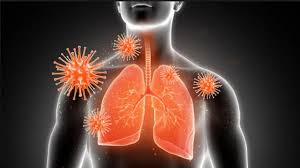
Warning signs: when to get help immediately
Call your local emergency number for severe breathing difficulty, persistent chest pressure or pain, new confusion, or someone who cannot be awakened normally. A new pale, gray or blue appearance of the lips or skin is another warning sign; changes can look different across skin tones. Do not wait for a COVID-19 test result before seeking emergency help. Tell the dispatcher about the breathing problem and any suspected infection. [4]
- In children, breathing with effort or rapidly, ribs pulling inward, seizures, or poor alertness require emergency help. No urine for eight hours, a very dry mouth or absent tears warrants urgent medical assessment for dehydration. [3]
- In an adult, seizures need emergency help. Inability to pass urine, severe weakness, persistent dizziness, or a fever or cough that improves and then returns worse needs urgent medical assessment. These examples are not a complete checklist: serious deterioration matters even without a named symptom. [3]
Occasionally an infection triggers sepsis, a dangerous reaction that can damage the body’s organs. Someone may become confused, breathe unusually fast, develop blotchy skin, or appear dramatically more unwell over hours. A very low temperature can be concerning too; fever is not essential. Seek emergency care if sepsis is suspected rather than trying to identify the responsible germ at home. [28]
Changes can be harder to recognize in babies, people with dementia, and anyone who has difficulty describing symptoms. A caregiver’s observation that the person is behaving very differently is useful information. Explain what changed, when it changed, and the person’s usual level of alertness. Do not wait for every warning sign to appear, or for a rash to develop, before requesting help. [28]
Who should contact a clinician early?
Older adults, young children, pregnant people and those with weakened immunity have higher risks from some respiratory viruses. Chronic lung, heart or kidney disease and diabetes can also increase risk. A mild symptom deserves an earlier call during cancer treatment or after a transplant. [8]
If you belong to a higher-risk group and develop respiratory symptoms, contact a healthcare professional promptly, even when symptoms seem manageable. Early advice can preserve the opportunity for flu or COVID-19 treatment. Give your age, conditions, pregnancy status, medicines and symptom-start date. Waiting for several home tests or for a fever to become high can use up treatment time. [8]
Symptoms overlap: a pattern is not a diagnosis
Cold-like illness
A common cold is a viral upper respiratory infection. Congestion, sneezing, a runny nose, throat irritation and cough are common; headache and mild aches may accompany them. Symptoms often become most noticeable early in the illness. Children can have more colds than adults, and cold viruses circulate beyond the winter months. [2]
The important limitation is that flu, COVID-19 and RSV can begin with a similar picture. Calling something “just a cold” does not establish its cause. Respiratory viruses can also aggravate asthma or other long-term conditions and sometimes lead to complications. Notice the direction of change: comfortable breathing and gradual improvement are different from worsening breathlessness or a new decline after apparent recovery. Exposure history and clinical testing may be more informative than comparing symptom lists. [2]
Flu and COVID-19
Influenza often begins abruptly with marked tiredness, body aches, chills and cough. Some people also have stomach symptoms, especially children. A person can have flu without a measured fever, so its absence does not settle the diagnosis. [3]
COVID-19 can cause congestion, sore throat, cough, fatigue, aches, digestive symptoms or altered taste and smell. Presentation varies, and a missing “classic” symptom does not exclude it. Symptoms alone cannot reliably distinguish COVID-19 from influenza. The practical question is whether testing or early treatment would change your care. [4]
RSV in different age groups
Respiratory syncytial virus, or RSV, commonly causes cold-like symptoms, sometimes followed by wheezing. Symptoms may arrive in stages rather than together. In a very young baby, reduced activity, irritability and breathing changes can be more noticeable than an obvious cough. RSV can also worsen asthma or chronic obstructive pulmonary disease in adults. [5]
Most RSV infections improve with supportive care, and antiviral medicine is not routinely used for ordinary RSV illness. Difficulty breathing, inadequate drinking or worsening symptoms need medical advice. If an older adult takes several prescriptions, check before adding a cold remedy: some products affect blood pressure or interact with existing medicines. Treating a virus and treating an asthma or COPD flare-up are separate decisions, so follow the person’s established clinical plan and seek help when it is not working. [5]
Upper infections: sinus and throat symptoms
Sinus pressure and congestion
Sinusitis involves inflamed sinuses, with congestion, facial pressure, headache or mucus draining toward the throat. Viruses cause most cases, although bacteria can sometimes be responsible. Allergies and other conditions can look similar. Facial discomfort alone therefore cannot tell you whether an antibiotic is appropriate. [15]
Seek assessment for severe facial pain or headache, symptoms that worsen after initially improving, or symptoms persisting beyond about ten days without improvement. Fever continuing for several days is another reason to call. A clinician may recommend observation or a delayed prescription for selected cases, with clear instructions about when to use it. Ask what improvement should look like and when to report back. Do not turn a delayed prescription into a standing supply for future colds or another family member. [15]
Sore throat and possible strep infection
Most sore throats are viral. Strep throat is a bacterial infection that needs a different assessment and may require antibiotics. Pain with swallowing does not distinguish the two. Cough, hoarseness and a runny nose can suggest a viral illness, but a clinician may need to examine the throat and take a swab. [16]
Get prompt help if swallowing is difficult, a young child is drooling unusually, there is blood in saliva, or drinking becomes inadequate. Breathing difficulty is an emergency. A sore throat that becomes worse, does not begin improving, or keeps recurring also deserves review. Tell the clinician about a new rash or other symptoms rather than focusing only on the throat. Looking at photographs of tonsils is not a dependable substitute for an examination and appropriate testing. [16]
Lower infections: bronchitis, pneumonia and bronchiolitis
Acute bronchitis
Acute bronchitis is inflammation of the larger airways, often with increased mucus and a cough that can linger. It is usually caused by a virus. For an otherwise healthy person with uncomplicated bronchitis, antibiotics generally do not improve recovery. A loud cough or mucus production does not automatically mean the lungs need antibiotic treatment. [14]
The distinction from pneumonia or whooping cough matters because those illnesses can need different treatment. Seek assessment for breathing trouble, bloody mucus, repeated episodes, or symptoms lasting beyond three weeks. People with heart or lung disease or weakened immunity should not apply uncomplicated-bronchitis advice without considering their own risks. Over-the-counter products may offer temporary symptom relief, but they do not remove the infection. Ask what symptoms would require another examination if the cough continues. [14]
Pneumonia
Pneumonia affects lung tissue and can be caused by bacteria or viruses; less commonly, other causes are involved. It can follow another respiratory infection. Cough, fever, breathlessness or pain with breathing may occur, while an older person may mainly become confused or unusually weak. The symptoms do not identify the cause or show whether home treatment is safe. [31]
Bacterial pneumonia usually requires prescribed antibiotics. Some people need hospital treatment and oxygen, depending on illness severity and underlying health. If treated at home, follow the prescription and reassessment plan. Contact the clinician if you are not improving after two to three days of antibiotics, or sooner if you worsen. Do not wait out that interval when breathing becomes difficult. Ask before using a cough suppressant, since coughing helps clear the airways. [31]
Bronchiolitis in babies
Bronchiolitis is a small-airway infection mainly affecting children under two, often caused by RSV. It differs from bronchitis in older children and adults. A baby may start with nasal symptoms, then develop faster or noisier breathing and difficulty feeding. Symptoms can become worse over the first few days, so keep checking the child rather than assuming a mild beginning predicts the whole illness. [7]
Pauses in breathing, grunting with effort, the tummy drawing inward below the ribs, blue or gray coloring, or unusual floppiness need emergency help. Feeding much less or having fewer wet nappies needs prompt advice. When home care is appropriate, smaller, more frequent feeds may be easier. Check the child regularly, including overnight. Babies born prematurely or with heart, lung or immune conditions need particular caution and individualized advice. [7]
Fever and medicines in children
A baby younger than three months with a temperature of 38°C or higher needs urgent medical assessment; seek advice as well if you think the baby has a fever. In a baby aged three to six months, 39°C or higher warrants urgent advice. These are reasons to contact care, not thresholds below which every child is safe. A child’s responsiveness, breathing and hydration remain important. [20]
Use fever medicine for discomfort only when it is suitable for the child and you understand the label or clinician’s directions. Children should never receive aspirin for a respiratory illness. Do not routinely alternate paracetamol and ibuprofen without professional advice, and do not give ibuprofen to a dehydrated child. Avoid cold sponging or excessive wrapping. A first seizure, stiff neck, non-fading rash or difficulty waking needs emergency help. [20]
How clinicians assess a respiratory infection
An assessment starts with the symptom timeline, medical history and examination. For suspected pneumonia, a clinician may listen to the chest, measure oxygen levels and arrange a chest X-ray. Blood or mucus tests are useful in selected situations, especially when illness is severe or the cause remains uncertain. Not every uncomplicated cough needs all these tests. [6]
Bring a list of medicines, recent infections, relevant travel or animal exposure, and changes in existing conditions. If pneumonia is diagnosed, ask about follow-up and a realistic return to activity. Recovery can take weeks, with tiredness lasting longer than the most intense symptoms. Gradual activity should follow your clinician’s advice; pushing through substantial breathlessness is not a recovery test. Report renewed deterioration instead of assuming every lingering symptom is expected. [6]
Testing: what a result can and cannot tell you
Choosing the right test
Testing is most useful when the answer changes a decision, such as starting treatment or protecting a vulnerable contact. Antigen tests look for viral proteins and usually give a quick answer. Molecular tests, including PCR, detect genetic material and are generally more sensitive. Some tests check for flu and COVID-19 together; others look for only one infection. [9]
Ask which illnesses the test actually covers. A negative COVID-only test does not answer whether flu is present, and a rapid test can miss an infection. Clinicians may favor molecular testing when prompt treatment decisions are needed. Availability and turnaround time matter: tell the service when symptoms began, so testing does not become a reason for unnecessary delay. A test supports the clinical assessment; it does not measure how safely someone is breathing or drinking. [9]
Repeating a negative home COVID-19 antigen test
A single negative home antigen result cannot rule out COVID-19. FDA guidance recommends repeating after 48 hours. If you have symptoms, take at least two tests in total; without symptoms, take at least three, with 48 hours between tests. Follow the specific kit’s instructions, including how to collect the sample and when to read the result. [10]
If repeated tests are negative but concern remains, ask about a molecular test or assessment for another illness. A negative result is not a guarantee that you cannot infect somebody. Keep a record of the test type, date and result so the clinician can interpret the sequence rather than just hearing “the test was negative.” [10]
Recent COVID-19 changes test interpretation
Tell the clinician if you tested positive for COVID-19 during the previous 90 days. Molecular tests can remain positive after an infection, and reinfection can also occur during that period. A new positive result therefore needs context, including when the earlier illness occurred and whether new symptoms have started. CDC provides different testing approaches for recent infection, often favoring antigen testing. [11]
Do not repeatedly order PCR tests simply to prove you are recovered. Discuss the purpose of testing and how the result would be used. If you feel newly unwell, continue precautions and seek advice rather than dismissing everything as an old result. A positive test in a higher-risk person is a reason for prompt treatment assessment; severe symptoms need urgent care regardless of the test history. [11]
Home oxygen readings are only one piece of information
A pulse oximeter estimates blood oxygen using light, usually through a finger. It can be useful when a clinician recommends monitoring, but it cannot diagnose a respiratory infection. Readings can be affected by circulation, cold skin, movement and nail polish. Accuracy can also differ with skin pigmentation, including limitations in people with darker skin. [29]
Follow the device instructions and the personal monitoring plan you were given. Record readings with the time and associated symptoms, rather than relying on one number in isolation. Ask which changes require a call for your situation, especially with existing lung disease. A reassuring-looking result must not override serious breathing difficulty, chest pain or marked deterioration. Some consumer wellness devices have not been evaluated for clinical decisions, so ask whether yours is appropriate for the intended use. [29]
Treatment: act early when antivirals may help
Influenza treatment
Prescription antivirals can shorten flu illness and reduce some complications. They work best when started as early as possible, ideally within two days of symptom onset. Contact a clinician promptly if you are at increased risk, very unwell, or concerned about worsening symptoms. Treatment may be considered for suspected influenza; you should not decide on your own that laboratory confirmation is always required before asking. [12]
The two-day window is not a reason to give up seeking help later. Treatment can still benefit some people with severe illness or higher-risk conditions, including those hospitalized. Most otherwise healthy people with mild flu do not need antivirals. The clinician weighs the expected benefit, your health history and the medicine’s suitability. Flu antivirals are prescription treatments, and an antibiotic is not a substitute for them. [12]
COVID-19 treatment
For people at higher risk of severe COVID-19, treatment can reduce the chance of hospitalization or death. It must start early: some oral options need to begin within five days of symptom onset, while intravenous remdesivir needs to begin within seven. These are treatment-start deadlines, not suggested waiting periods. Contact a clinician as soon as symptoms appear, even if mild. [13]
Do not wait to finish serial home testing before asking about care. A clinician can assess suspected infection and treatment eligibility. Bring a complete medicine list because interactions can be important, particularly with nirmatrelvir/ritonavir, also called Paxlovid. Never stop a regular prescription yourself to make room for an antiviral. Age, medical conditions and the available treatment options all need professional review. Products promoted online as unapproved COVID cures can cause harm. [13]
When antibiotics help, and when they do not
Antibiotics treat selected bacterial infections, not ordinary viral colds or flu. Thick, green or yellow nasal mucus does not by itself establish a bacterial infection. Asking for an antibiotic “just in case” can expose you to side effects without improving the illness. Possible harms include diarrhea, allergic reactions and infections that become harder to treat because of antimicrobial resistance. [27]
When an antibiotic is prescribed, take it according to the current instructions. Do not borrow another person’s tablets, share yours, or save leftovers for the next cough. Contact the prescriber or pharmacist about side effects or uncertainty about the course. Ask three practical questions: what infection is being treated, when should improvement begin, and what should trigger reassessment? Prescribing should match the illness; serious bacterial infections may need prompt antibiotic treatment. [27]
Home care: comfort, fluids and safe medicine choices
Rest and cough comfort
Rest and regular drinks can make a cough easier to manage while you recover. Honey may soothe coughing in adults and children at least one year old, although evidence for benefit is limited. Never give honey to a baby under one. Avoid drinks hot enough to burn a child. Ask a pharmacist before using a cough product, particularly during pregnancy or alongside other medicines. [18]
A cough can take three to four weeks to settle, but seek assessment if it continues beyond three weeks, becomes rapidly worse, or is accompanied by concerning symptoms. Persistent coughing is not always infection: reflux, allergies and smoking can contribute. Do not keep switching remedies indefinitely without reviewing the cause. Unexplained weight loss, blood or significant chest pain changes the assessment and should be reported. [18]
Keep track of drinking and urination
Illness can make drinking harder, especially with fever, nausea or a painful throat. Offer small amounts frequently if large drinks are uncomfortable. For babies, continue usual breast milk or correctly prepared formula; never dilute formula to increase fluid intake. When vomiting or diarrhea causes additional losses, ask a pharmacist or clinician whether an oral rehydration solution is appropriate. [19]
Look for fewer wet nappies, reduced urination, a dry mouth, few tears, unusual drowsiness or persistent dizziness on standing. These can indicate dehydration and warrant prompt advice. Confusion, difficulty waking or breathing problems with dehydration need emergency care. For an older person who relies on help, place drinks within reach and check actual intake rather than assuming a full cup was finished. Tell the clinician if a prescribed fluid restriction complicates drinking advice. [19]
Keep children away from bowls of hot water used for steam inhalation because of scalding risk. Tobacco smoke can worsen respiratory symptoms. [1]
Children’s cough and cold products
Do not treat adult cold remedies as smaller-dose children’s medicines. FDA cautions against nonprescription cold-and-cough products below age two; manufacturers label these products against use below four. Other age restrictions apply to particular products and countries. For a young child, ask a clinician or pharmacist before using any cough-and-cold combination, and follow the stricter applicable directions. [17]
Read every active ingredient so that a pain reliever is not accidentally duplicated inside a combination product. Use the supplied measuring device, never a kitchen spoon. Saline nasal drops and gentle suction can help a young child with a blocked nose; ask about technique if unsure. A clean cool-mist humidifier is another option. “Homeopathic” labeling does not establish that a product is effective or safe. [17]
Returning to normal activities: check your country and setting
United States community guidance
CDC advises staying home and avoiding others when respiratory symptoms are not better explained by another cause. Resume usual activities only when, for at least 24 hours, symptoms have been improving overall and you have had no fever without fever-reducing medicine. Then use added precautions for the next five days, such as better ventilation, a well-fitting mask, distance or testing around others. [21]
Improvement does not mean transmission risk has disappeared. If fever returns or you start feeling worse, stay home again and restart the return process when the criteria are met. People with weakened immunity may remain infectious longer. If you never had symptoms but test positive, CDC advises added precautions for five days. This is community guidance, not a universal clearance for healthcare work or a guarantee that visiting a vulnerable person is risk-free. [21]
England guidance differs
The NHS advice for England asks people with COVID-like symptoms to try to stay home if fever is present or they feel too unwell for ordinary activities. A child with only mild respiratory symptoms who otherwise feels well may attend school or childcare. A positive COVID test brings additional advice: try to stay home for five days after the test day for adults, or three days for those under eighteen. [22]
After a positive test, avoid meeting people at higher risk of serious infection for ten days after the test day. People eligible for COVID treatment should test promptly when symptoms begin. Check the current national guidance and your school or workplace policy; countries do not all use the same rules. Do not combine selected parts of different countries’ guidance into a shorter personal isolation period. [22]
Healthcare work needs separate instructions
Healthcare workers should contact occupational health or their employer’s infection-prevention team about symptoms, exposure and return to work. CDC’s healthcare-personnel recommendations, updated in September 2026, include additional time-based restrictions and source-control requirements. They are not replaced by the general community advice above. Some pathogens and circumstances are addressed in separate guidance. [30]
Tell the team when symptoms started, any test results and the type of patient contact involved. Follow the applicable workplace assessment rather than treating a negative home test or a fever-free day as automatic clearance. The purpose is to protect patients, colleagues and the worker while considering the actual exposure. Keep the team informed if symptoms return after you resume work, since your fitness for patient contact may need another assessment. [30]
Reducing spread at home and in shared spaces
Improve the air you share
Respiratory viruses can accumulate more readily in crowded indoor spaces with poor airflow. Bringing in outdoor air, filtering indoor air and meeting outside can reduce exposure. Where safe and practical, open windows or doors and use suitable exhaust ventilation. A portable HEPA air cleaner can add filtration; a building’s ventilation system also needs appropriate filters and maintenance. [23]
Think about where people spend time together, rather than focusing only on the room where someone sleeps. A shared meal, car journey or small meeting room may involve close indoor contact. Choose the cleaner-air option that fits the space and circumstances. Ventilation lowers risk but does not establish that an infected person is no longer contagious. Keep other precautions in place, especially when someone in the household is at higher risk of severe illness. [23]
Use masks thoughtfully
A well-fitting mask can reduce the infectious particles a sick person releases and can also protect the wearer. Fit matters because gaps allow air to bypass the filter. Choose a protective type you can wear consistently with your nose and mouth covered. Well-fitting respirators generally provide more protection to the wearer than loose cloth coverings. [24]
Masks are especially useful in crowded settings, during periods of high respiratory illness, after a recent exposure, or around someone vulnerable. They work best alongside cleaner air and other precautions, rather than as permission to ignore symptoms. Think ahead about essential trips while recovering, such as collecting medicine or attending an appointment, and ask the service what it recommends. For regular use, choose a mask whose fit you can maintain rather than one that repeatedly slips and needs adjusting. [24]
Do not mask children under two. If someone cannot remove a mask independently, discuss safer prevention options with their care team. [8]
Make hand hygiene practical
Wash hands after coughing, sneezing or blowing your nose, and before preparing or eating food. Soap and running water remove germs from the skin. Lather thoroughly, including the backs of the hands and between fingers, and scrub for at least twenty seconds before rinsing and drying. If a sink is unavailable, use a hand sanitizer containing at least sixty percent alcohol. [26]
Make supplies easy to reach so the habit is realistic when somebody feels unwell. A caregiver helping with tissues or meals needs access to handwashing too. Avoid touching the eyes, nose or mouth with unwashed hands. For a wider household checklist, see our guide to hand hygiene and everyday infection-control precautions. Use these habits consistently rather than assuming that one thorough clean removes the need for precautions during the rest of an illness. [26]
Review current vaccination options
Vaccines and other recommended immunizations can reduce severe respiratory illness, hospitalization and death. Ask which flu, COVID-19, RSV, pneumococcal and pertussis protections are relevant to you or your child. These products protect against different infections; there is no single vaccine that prevents every respiratory infection. Some RSV prevention products provide antibodies directly rather than working as vaccines. [25]
Eligibility and timing depend on the country, age, pregnancy, medical risks, past doses and current recommendations. Bring your vaccination record to a clinician or pharmacist instead of relying on a schedule copied from an older article. Ask what is due now and what should be reconsidered later. Vaccination reduces risk, but a vaccinated person can still develop symptoms and may need testing or treatment. Continue everyday prevention measures, especially when someone nearby is medically vulnerable. [25]
When a lingering cough needs another explanation
Whooping cough can initially resemble a cold before developing into repeated, forceful coughing fits. A person may vomit after coughing or struggle to catch their breath. The familiar “whoop” is not present in every case, and babies may have pauses in breathing with little obvious cough. Vaccinated people can still become infected, although illness is often milder. [32]
Tell a clinician about violent coughing episodes, known exposure, or close contact with a young baby. Breathing difficulty requires immediate care. A prolonged cough does not prove pertussis, but neither should it be dismissed simply because the early illness seemed mild. Note whether symptoms are improving between episodes and whether sleep or feeding is affected. Those details help a clinician decide which examination or testing is appropriate and what advice household contacts may need. [32]
Frequently asked questions
Does green mucus mean I need antibiotics?
No. Colored nasal mucus can occur with viral illness. The decision depends on the suspected infection and clinical assessment, not color alone. [27]
Can I have a serious infection without a fever?
Yes. Older people and those with weakened immunity may lack typical pneumonia symptoms. New confusion, weakness or breathing changes deserve attention even when the thermometer does not show a fever. [6]
Should I wait for my repeat COVID test before calling?
If you are at increased risk, seek early treatment advice rather than waiting through repeat testing. Emergency symptoms need immediate care. [8]
The original video is retained below for context. Its content has not been verified against current clinical guidance; use the updated written guide and official sources for care decisions.