
“What Is a Zygote? Everything You Need to Know”
Have you ever wondered about the very first cell that marks the beginning of life? Imagine the miraculous moment when two gametes—an egg and a sperm—unite to form a single cell that eventually develops into a complex organism. If you’ve ever asked yourself, what is a zygote, then you’re in the right place. In this comprehensive guide, we’ll explore the fascinating concept of the zygote from every angle. We’ll define what a zygote is, trace its historical and scientific evolution, and break down its essential characteristics. We’ll also examine the different types and roles of zygotes in biology, discuss their importance in embryology and medicine, and explore modern research and current trends. Whether you’re a student, a researcher, or simply curious about the origins of life, this article will provide you with everything you need to know about what is a zygote and why it is so important.
Introduction: The Spark of Life
Imagine a tiny, single cell—the very first building block of your entire body. This cell, known as a zygote, holds within it the blueprint for an entire organism. From the moment of conception, the zygote embarks on an extraordinary journey of growth and development, eventually giving rise to the complex structures that define living beings. But what is a zygote? Beyond being simply the product of fertilization, a zygote is a marvel of biological engineering—a dynamic, rapidly dividing entity that lays the foundation for life as we know it.
A Fascinating Hook
Consider this: In humans, a zygote forms just minutes after a sperm fertilizes an egg, yet it contains all the genetic information needed to develop into a fully formed individual. This remarkable process is not only the starting point of life but also a critical phase studied extensively in biology and medicine. Understanding what is a zygote unlocks insights into embryonic development, genetic inheritance, and even the treatment of reproductive disorders.
What We Will Cover and Why It Matters
In this post, we will explore:
- Definition and Core Characteristics:
We’ll provide a clear and concise definition of a zygote, breaking down its essential components and properties. - Historical and Contextual Background:
Discover the origins and milestones in our understanding of zygotes—from early observations to modern breakthroughs in embryology. - In-Depth Exploration:
A detailed examination of the formation, structure, and function of zygotes. We’ll discuss the processes of fertilization, cleavage, and early embryonic development, supported by real-world examples and case studies. - Importance, Applications, and Benefits:
Learn why understanding what is a zygote is crucial for fields such as developmental biology, reproductive medicine, genetics, and regenerative medicine. - Addressing Common Misconceptions and FAQs:
Clear up common myths and answer frequently asked questions about zygotes with a succinct Q&A section. - Modern Relevance and Current Trends:
Explore recent research, technological innovations, and debates related to zygotes, including advancements in in vitro fertilization (IVF) and genetic editing. - Conclusion and Call-to-Action:
A summary of key insights and an invitation to reflect, share your thoughts, and further explore the fascinating world of zygotes.
Understanding what is a zygote is vital because it is the very starting point of life. From developmental biology to medical research, the zygote holds the secrets to how organisms form, grow, and inherit traits. Let’s dive in and uncover the mysteries of this remarkable cell!
What Is a Zygote? A Straightforward Definition
Defining the Term “Zygote”
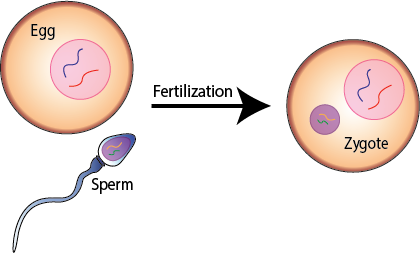
At its most basic, what is a zygote? A zygote is the initial cell formed when two specialized reproductive cells, known as gametes (an egg and a sperm), unite during fertilization. It is the earliest developmental stage of a sexually reproducing organism and represents a single cell that contains a complete set of chromosomes—half contributed by each parent.
Essential Characteristics of a Zygote
To fully grasp what is a zygote, consider these defining features:
- Fertilization Product:
A zygote is created immediately after fertilization, marking the union of male and female genetic material. - Diploid Cell:
It contains two complete sets of chromosomes (one set from each parent), making it diploid. This genetic blueprint is essential for guiding the organism’s development. - Totipotency:
In many organisms, the zygote is totipotent, meaning it has the potential to develop into any cell type necessary to form a complete organism. - Initiation of Development:
The zygote undergoes rapid cell division (cleavage), eventually forming a multicellular embryo. This process is the foundation for all subsequent developmental stages. - Genetic Uniqueness:
Every zygote is genetically unique, combining traits from both parents, which contributes to genetic diversity and evolution.
These characteristics demonstrate that what is a zygote is not just a cell—it is the first spark of life, containing all the genetic information and potential needed for the development of a new organism.
Historical and Contextual Background
The Evolution of Our Understanding of Zygotes
The study of zygotes has a rich history that parallels the development of embryology and genetics. Over centuries, scientists have refined their understanding of fertilization, cell division, and developmental biology.
Early Observations and Discoveries
- Ancient Theories of Reproduction:
Early civilizations had various myths and theories about reproduction, often attributing the creation of life to mystical or divine forces. While these early ideas lacked scientific rigor, they set the stage for later inquiry. - Microscopic Revelations:
The invention of the microscope in the 17th century revolutionized biology. Pioneers like Antonie van Leeuwenhoek observed sperm cells and early embryos, providing the first glimpses into the cellular basis of life. These discoveries were the precursors to our modern understanding of zygotes.
Advancements in Embryology and Genetics
- 19th Century Breakthroughs:
With the development of cell theory and improved microscopic techniques, scientists like Theodor Schwann and Matthias Schleiden established that all living organisms are composed of cells. The discovery of the nucleus and chromosomal structures further clarified that the zygote is the starting point of a new organism’s life. - 20th Century and Modern Genetics:
The advent of modern genetics, particularly through the work of Gregor Mendel and later the discovery of DNA’s structure by Watson and Crick, solidified our understanding of the zygote’s role in heredity and development. Researchers now recognize the zygote as a critical stage where genetic material is first combined and expressed.
Notable Historical Milestones
- The Discovery of Gametes:
The identification of sperm and egg cells in the 17th century by pioneers like Leeuwenhoek laid the groundwork for understanding fertilization and zygote formation. - Development of Modern Embryology:
The 19th and 20th centuries saw significant advancements in embryology, leading to the modern techniques used in in vitro fertilization (IVF) and genetic research. - Ethical and Medical Implications:
As our understanding of zygotes deepened, it raised important ethical questions about reproductive rights, genetic manipulation, and stem cell research, influencing public policy and medical practices worldwide.
This historical context not only enriches our definition of what is a zygote but also demonstrates its critical role in the continuum of life and scientific discovery.
In-Depth Exploration: Types, Attributes, and Categories of Zygotes
To fully understand what is a zygote, we must explore its formation, development, and various classifications in biology. Zygotes are a crucial stage in the life cycle of sexually reproducing organisms, and they can be studied from multiple perspectives.
1. Formation and Fertilization
The Process of Fertilization
- Fusion of Gametes:
A zygote forms when a sperm cell fuses with an egg cell during fertilization. This union brings together genetic material from both parents. - Genetic Combination:
The resulting zygote is diploid, containing a complete set of chromosomes—half from the mother and half from the father. This genetic mix determines the unique characteristics of the organism. - Initial Development:
Immediately following fertilization, the zygote begins a series of rapid cell divisions known as cleavage, leading to the formation of a multicellular embryo.
Visual Representation
- Diagrams and Microscopic Images:
Diagrams of fertilization and cell division help illustrate how a single zygote transforms into a complex organism. Microscopic images from embryology textbooks and digital resources (such as those available at the National Institutes of Health) can provide visual context for this process.
2. Types of Zygotes
Animal Zygotes
- Mammalian Zygotes:
In mammals, the zygote is formed internally after fertilization. It undergoes a well-coordinated process of cleavage, leading to the development of a blastocyst and eventual implantation in the uterus. - Non-Mammalian Zygotes:
In other animals, such as birds, reptiles, and fish, zygotes may develop externally (e.g., within eggs) or follow different developmental pathways. These variations illustrate the diversity of reproductive strategies in the animal kingdom.
Plant Zygotes
- Formation in Angiosperms:
In flowering plants, the zygote is formed when the sperm cell fertilizes the egg cell within the ovule. The zygote then develops into an embryo, which is housed within a seed. This process is critical for the propagation of plant species. - Differences from Animal Zygotes:
While the basic principles of fertilization are similar, plant zygotes undergo unique developmental processes influenced by the surrounding seed tissues and environmental factors.
Other Organismal Zygotes
- Fungal Zygotes:
In fungi, zygotes are formed through the fusion of compatible mating types and give rise to new fungal structures. The study of fungal zygotes helps scientists understand genetic recombination and diversity in these organisms. - Protist Zygotes:
Certain single-celled organisms (protists) also form zygotes during sexual reproduction, contributing to genetic diversity and adaptation in various environments.
3. Developmental Stages of a Zygote
Cleavage and Blastocyst Formation
- Cleavage:
After fertilization, the zygote undergoes a series of mitotic divisions (cleavage) without an increase in overall size. This process creates a multicellular structure. - Blastocyst Stage:
In many animals, particularly mammals, the cells eventually form a blastocyst—a hollow sphere of cells that will later differentiate into the embryo and supporting tissues. This stage is critical for implantation and further development.
Differentiation and Organogenesis
- Cell Differentiation:
As development continues, cells within the embryo begin to differentiate into specific tissue types and organs. This process is guided by genetic signals and environmental cues. - Organogenesis:
The formation of organs from the differentiated cells marks the transition from a simple embryo to a complex organism. This intricate process underscores the remarkable potential embedded in a single zygote.
Real-World Examples
- Human Embryonic Development:
The study of human zygotes and embryonic development has led to significant advancements in reproductive medicine and genetics, including in vitro fertilization (IVF) and stem cell research. - Plant Embryogenesis:
The process by which a plant zygote develops into an embryo within a seed is fundamental to agriculture and conservation, influencing everything from crop yields to biodiversity.
4. Factors Influencing Zygote Development
Genetic and Environmental Factors
- Genetic Blueprint:
The genetic information contained in a zygote determines its developmental trajectory. Mutations or genetic variations can significantly impact growth and health. - Environmental Influences:
External factors such as temperature, nutrition, and exposure to toxins can affect the development of a zygote. In plants, factors like soil quality and light exposure play critical roles.
Epigenetic Modifications
- Role of Epigenetics:
Epigenetic changes—heritable modifications that do not alter the DNA sequence—can influence how a zygote develops. These modifications can be affected by environmental conditions and may impact gene expression throughout the organism’s life.
Case Studies and Research
- Research in Reproductive Biology:
Studies on zygote development have led to breakthroughs in understanding genetic disorders, embryonic viability, and the impact of parental age on offspring health. - Tissue Culture and Regenerative Medicine:
Research on plant and animal zygotes is also central to advancements in tissue culture and regenerative medicine, providing insights into cellular differentiation and the potential for organ regeneration.
Importance, Applications, and Benefits of Understanding What Is a Zygote
Understanding what is a zygote is critical across multiple domains. Here are some key reasons why knowledge of zygotes is so valuable:
1. Biological and Medical Advancements
- Foundation of Life:
The zygote is the very beginning of an organism’s development. It is the starting point for embryogenesis and sets the stage for all subsequent growth and differentiation. - Medical Research and Reproductive Health:
In human medicine, understanding zygote formation and development is essential for advancements in reproductive technologies like IVF, genetic screening, and stem cell research. These breakthroughs have transformed the fields of obstetrics and regenerative medicine. - Genetic Studies:
Zygotes carry the complete genetic blueprint of an organism. Studying them helps scientists understand inheritance, genetic mutations, and the basis of hereditary diseases.
2. Educational and Academic Relevance
- Fundamental Biology:
Zygotes are a central topic in biology and life sciences curricula. A deep understanding of zygote formation, cleavage, and differentiation is crucial for students studying developmental biology, genetics, and embryology. - Interdisciplinary Learning:
The study of zygotes bridges multiple disciplines, from molecular biology and genetics to environmental science and medicine. This interdisciplinary approach enriches academic research and fosters innovative thinking.
3. Technological and Industrial Applications
- Regenerative Medicine:
Advances in tissue engineering and regenerative therapies are closely tied to our understanding of zygote development. The ability to manipulate zygotes and stem cells holds promise for creating artificial organs and treating degenerative diseases. - Agricultural Innovations:
In plant biology, understanding zygotes is fundamental for improving crop yields, developing disease-resistant varieties, and ensuring sustainable agricultural practices. - Biotechnology:
Zygote research drives innovation in genetic engineering and cloning, enabling scientists to develop new biotechnological applications that benefit agriculture, medicine, and industry.
4. Cultural and Ethical Considerations
- Ethical Debates:
The study and manipulation of zygotes raise important ethical questions about the beginning of life, genetic modification, and reproductive rights. A clear understanding of what is a zygote is essential for informed debate and policy-making. - Cultural Impact:
Throughout history, the concept of a zygote has influenced philosophical and cultural discussions about life, creation, and human identity. It continues to shape our understanding of these profound topics.
Addressing Common Misconceptions and FAQs
Despite its scientific importance, several misconceptions persist about what is a zygote. Let’s clear up some common myths and answer frequently asked questions.
Misconception 1: A Zygote Is Just a Simple Cell
Myth:
Some people mistakenly believe that a zygote is merely a single cell without any complexity.
Reality:
- Complex and Dynamic:
A zygote is a highly dynamic and complex cell that contains all the genetic information required to develop into a complete organism. It undergoes rapid cell division and differentiation, laying the foundation for the formation of various tissues and organs. - The Beginning of Development:
The zygote is the starting point of embryogenesis, where intricate processes of cell division, gene expression, and cellular differentiation begin.
Misconception 2: Zygotes Are Identical in All Organisms
Myth:
There is a misconception that zygotes are the same across all species.
Reality:
- Species-Specific Variations:
While the fundamental process of zygote formation through fertilization is similar, the structure, size, and developmental processes of zygotes can vary significantly between species. For instance, plant zygotes and animal zygotes exhibit distinct characteristics due to differences in reproductive strategies and developmental requirements. - Diverse Developmental Pathways:
The subsequent developmental pathways following zygote formation differ among organisms, leading to the vast diversity of life.
Misconception 3: The Zygote’s Role Is Limited to Early Development
Myth:
Some assume that the zygote’s importance ends once embryonic development begins.
Reality:
- Long-Lasting Impact:
The genetic and epigenetic information contained in the zygote influences the entire developmental process and can have long-lasting effects on an organism’s health, behavior, and lifespan. - Research and Medicine:
Studies of zygotes continue to provide valuable insights into genetic diseases, developmental disorders, and potential therapies in regenerative medicine.
Frequently Asked Questions (FAQs)
Q: What is a zygote?
A: A zygote is the initial cell formed when a sperm fertilizes an egg. It is a diploid cell that contains a complete set of chromosomes, representing the union of genetic material from both parents and serving as the starting point for embryonic development.Q: How soon after fertilization does a zygote form?
A: A zygote forms almost immediately after a sperm fertilizes an egg, typically within minutes. It then undergoes rapid cell division (cleavage) as it begins its journey to form a multicellular organism.Q: Can a zygote develop into a complete organism?
A: Yes, the zygote is totipotent in many species, meaning it has the potential to develop into a complete organism, including all of its specialized tissues and organs.Q: Are there ethical concerns surrounding the study of zygotes?
A: Absolutely. Research involving zygotes raises important ethical questions about the beginning of life, the use of human embryonic cells, and the implications of genetic manipulation. These issues are actively debated in scientific, legal, and public spheres.Q: How is understanding zygotes important for medicine?
A: Insights into zygote formation and development are critical for advancements in reproductive medicine, genetic screening, and regenerative therapies. Understanding the zygote is key to improving techniques such as in vitro fertilization (IVF) and stem cell research.
Modern Relevance and Current Trends
Zygotes in the 21st Century: Innovations, Research, and Global Impact
In today’s rapidly advancing scientific landscape, what is a zygote continues to be a subject of intense research and debate, driving innovation and ethical discussions around reproduction, genetics, and medicine.
Advances in Reproductive Technology
- In Vitro Fertilization (IVF):
IVF technology relies on the manipulation and observation of zygotes to help individuals overcome infertility. Advances in IVF have improved the success rates of zygote development and implantation. - Preimplantation Genetic Diagnosis (PGD):
This technique allows for the genetic screening of zygotes before implantation, ensuring the health of future offspring and reducing the risk of inherited diseases.
Tissue Engineering and Regenerative Medicine
- Stem Cell Research:
The totipotency of the zygote is closely linked to stem cell research, which explores how cells can be reprogrammed to develop into various tissue types. This has far-reaching implications for regenerative medicine and organ transplantation. - Gene Editing and CRISPR:
Modern gene-editing technologies, such as CRISPR, are beginning to be applied at the zygote stage, raising both exciting possibilities and significant ethical questions about altering human and animal genomes.
Ethical, Legal, and Social Implications (ELSI)
- Debates in Bioethics:
The use of zygotes in research, particularly in human embryonic stem cell research, has sparked intense ethical debates. Balancing scientific progress with ethical considerations is a central challenge for modern biology. - Policy and Regulation:
Countries around the world have developed varying policies regarding zygote research, reflecting different cultural, ethical, and legal perspectives. These policies continue to evolve as new scientific discoveries are made.
Educational and Public Awareness Initiatives
- Science Communication:
Educators and scientists are working to demystify zygote research and its implications. Public outreach and science communication initiatives help inform society about the potential benefits and risks of advanced reproductive technologies. - Digital Learning Tools:
Online platforms and virtual labs are being developed to teach students about embryology and genetics, making the study of zygotes more accessible and engaging.
Conclusion: The Pivotal Role of the Zygote in Life and Science
In exploring what is a zygote, we have journeyed from the very moment of fertilization to the complex processes that give rise to life. The zygote is the foundational cell that holds the genetic blueprint for an entire organism, setting in motion the intricate dance of development, growth, and differentiation. It is a symbol of life’s continuity, genetic diversity, and the marvel of biological engineering.
Key Takeaways
- Definition and Core Concepts:
A zygote is the initial cell formed when a sperm fertilizes an egg, creating a diploid cell that contains all the genetic material necessary for the development of a new organism. - Historical Evolution:
Our understanding of the zygote has evolved dramatically—from early microscopic observations in the 17th century to modern breakthroughs in genetics and reproductive medicine. - Diverse Applications:
Zygotes are central to numerous fields, including embryology, reproductive health, regenerative medicine, and genetic research. They also play a crucial role in ethical debates and policy-making. - Modern Relevance:
Advances in technologies like IVF, gene editing, and stem cell research have not only enhanced our understanding of zygotes but also opened up new frontiers in medicine and biotechnology. - Practical and Societal Impact:
Understanding what is a zygote is essential for both scientific progress and informed decision-making in areas such as healthcare, ethics, and public policy.
Call-to-Action
Now that you have a comprehensive understanding of what is a zygote, here’s how you can put this knowledge to use:
- Reflect on the Miracle of Life:
Take a moment to appreciate the incredible journey that begins with a single zygote—a journey that underpins the existence of all living organisms. - Engage in Further Learning:
Explore additional resources on embryology, genetics, and reproductive medicine. Reputable sources such as the National Institutes of Health, American Society for Reproductive Medicine, and academic journals provide deeper insights. - Join the Conversation:
Share your thoughts and questions in the comments below. How has your understanding of zygotes influenced your perspective on life and science? Your insights can spark valuable discussions! - Spread the Knowledge:
If you found this post informative, please share it with friends, colleagues, and anyone interested in the origins of life and modern medical science. Use hashtags like #WhatIsAZygote and #Embryology on social media to join the conversation. - Apply in Professional or Academic Settings:
Whether you’re a student, educator, or researcher, use this understanding to enhance your work in biology, healthcare, or ethics. Your informed perspective can drive better decision-making and innovation.
Final Thoughts
Understanding what is a zygote is not merely an academic exercise—it is a window into the very essence of life itself. The zygote represents the union of genetic material, the spark of new life, and the starting point for the incredible process of development that gives rise to complex organisms. As you continue to explore the wonders of biology and the intricacies of reproductive science, remember that every living being begins its journey as a single, unique cell with limitless potential.
Thank you for joining us on this in-depth exploration of what is a zygote. We hope this guide has enriched your understanding, sparked your curiosity, and provided valuable insights into one of the most fundamental aspects of life. Happy exploring, and may your journey into the world of zygotes lead you to new discoveries and a deeper appreciation for the marvels of life!