

GPA is a rare form of blood-vessel inflammation. This guide explains symptoms, warning signs, diagnosis, treatment phases and follow-up, including important 2026 changes in avacopan safety and regulatory advice.
Understanding GPA and its name
Granulomatosis with polyangiitis, usually shortened to GPA, is a rare inflammatory illness that can affect several organs. Older records may call it Wegener’s granulomatosis or Wegener’s disease. These names refer to the same condition. GPA is the modern name used throughout this guide. The disease commonly affects the nose, sinuses, ears, lungs and kidneys, although someone may have problems in only some of these places. Symptoms can develop gradually or become serious quickly. Early assessment matters because treatment can control inflammation and reduce the chance of lasting organ damage. [1]
GPA belongs to the group called ANCA-associated vasculitis. Vasculitis means inflammation of blood vessels; in GPA, small and sometimes medium-sized vessels are involved, and areas of inflammation called granulomas can form, particularly in the respiratory tract. Microscopic polyangiitis, or MPA, is related but lacks the characteristic granulomatous inflammation of GPA. Eosinophilic granulomatosis with polyangiitis, or EGPA, has a different pattern associated with asthma and increased eosinophils, a type of white blood cell. These distinctions affect assessment and treatment. Similar-sounding names do not make the conditions interchangeable, and a person cannot distinguish them reliably from a symptom list. [2]
The immune system normally protects against infection. In an autoimmune condition, immune responses can mistakenly target healthy tissues. GPA treatment reduces harmful immune activity but can also weaken defenses against infection. This makes safety checks and clear instructions about new symptoms important. Learn the purpose of each medicine and whom to contact with concerns. The diagnosis is not a judgment about someone’s habits, resilience or ability to handle stress. [3]
GPA is not contagious, and it is not cancer. Someone cannot catch GPA by living with or caring for a person who has it. Some medicines used for GPA are also used in cancer care because they affect immune cells; the medicine’s other uses do not change the diagnosis. A new symptom still needs proper assessment because infections and other illnesses can occur alongside GPA. Family members can help by understanding the condition, supporting appointments and respecting the person’s choices about sharing health information. The practical goal is informed support, without treating the person as infectious. [41]
The cause of GPA is not fully understood. Research has identified genetic associations in ANCA-associated vasculitis, including differences related to antibody type. These findings help explain disease biology, but they do not make GPA a simple inherited condition or predict that a relative will develop it. The major genetic study predominantly included European-ancestry populations, limiting generalization. Genetic associations alone do not justify diagnosing or screening relatives. [4]
Symptoms can involve several parts of the body
Symptoms may begin with fatigue, fever, aching joints, reduced appetite or unintended weight loss. In the ears and upper airways, persistent sinus discomfort, nasal crusting, nosebleeds, ear symptoms or hearing changes can occur. Skin changes may include spots, raised areas or sores. These problems are not specific to vasculitis and often have more common explanations. What matters is a clinician’s assessment of their pattern, persistence and combination with other findings. Mention symptoms in different parts of the body together, even when they initially seem unrelated. [5]
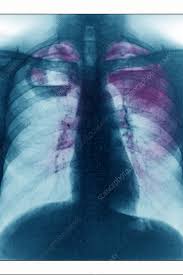
Lung or airway involvement can cause a persistent cough, chest discomfort, breathlessness or coughing up blood. GPA can also narrow the airway just below the vocal cords, called subglottic stenosis, or affect airways deeper in the chest. Hoarseness, noisy breathing or worsening difficulty breathing deserve attention. In an observational GPA study, large-airway disease sometimes occurred when other organs showed no active disease. A quiet blood test or improvement elsewhere therefore cannot explain away a new breathing problem. Clinicians decide whether examination, lung-function testing, imaging or direct airway assessment is appropriate; everyone does not need the same investigations. [6]
Kidney involvement is particularly important because kidney injury can be silent. Inflammation can damage the tiny filters called glomeruli, allowing blood or protein to leak into urine. Blood may be detectable only by laboratory testing, and urine can still look normal. Some people develop foamy urine, swelling around the eyes or legs, or higher blood pressure. These signs have several possible causes and cannot establish GPA by themselves. Kidney function can deteriorate rapidly in serious inflammatory disease, so waiting for pain or visible blood is unsafe. Regular blood and urine checks provide information that symptoms alone cannot supply. [7]
GPA may inflame the eye or surrounding tissues. Redness, pain, light sensitivity, swelling, double vision or blurred vision can reflect different problems, some of which threaten sight. An observational study of people with ANCA-associated vasculitis found eye complications related both to the disease and to treatment. A specialist eye examination helps distinguish these possibilities and identify the part of the eye involved. Photographs, the amount of redness and comparison with somebody else’s experience cannot make that distinction. Tell the treating team about new eye symptoms, even if sinus symptoms are stable or the last general review was reassuring. [8]
Inflammation affecting the blood supply to peripheral nerves can produce tingling, numbness, pain or weakness. A person might notice difficulty lifting a foot, reduced grip or symptoms affecting separate areas rather than both sides equally. The DCVAS study documented neuropathy across the ANCA-associated vasculitides, including GPA, while also showing that certainty about its cause varies. Assessment may involve a neurological examination and nerve testing; selected cases need additional investigation. Diabetes, pressure on a nerve, medicines and other conditions can cause overlapping symptoms. New weakness should be reported promptly rather than attributed automatically to tiredness or an old diagnosis. [9]
Warning signs that need urgent care
Seek emergency care for severe breathing difficulty or coughing up more than a few spots or streaks of blood. Coughing blood together with difficulty breathing, chest or upper-back pain, or a very rapid heartbeat also needs immediate emergency assessment. Call your local emergency number when symptoms are severe, and do not drive yourself if you are seriously unwell. Even a small amount of blood in sputum needs urgent medical advice. Possible causes include infection and blood clots as well as vasculitis, so recognising the warning sign is more useful than trying to identify the cause at home. [10]
Passing much less urine than usual, especially with swelling, vomiting, increasing drowsiness or feeling acutely unwell, requires urgent medical assessment. Sudden changes can reflect acute kidney injury, which has several causes, including dehydration, infection, blockage and inflammation. Do not assume that reduced urine is simply a reason to drink large amounts of water; people with kidney or heart problems may need individualized fluid advice. Tell the clinician about GPA and all medicines being taken. Blood tests, examination and sometimes other investigations determine the problem and its urgency, because early kidney injury may have few symptoms. [11]
Sudden loss of vision or sudden severe eye pain is an emergency. New blurred or double vision, pain, marked light sensitivity or other unexplained changes in sight need urgent professional advice. Prompt examination matters even when GPA has been controlled. Use an emergency service or urgent eye-care pathway appropriate to your location, and arrange help getting there if vision is affected. Specialists need to distinguish inflammation, infection, treatment effects and unrelated eye problems while protecting sight. [12]
How clinicians investigate possible GPA
There is no single investigation that answers every question about vasculitis. Assessment starts with symptoms, their timing, examination and the medical history, including medicines and relevant infections. Blood tests can look for inflammation, anemia or other abnormalities, while urine testing helps detect kidney involvement. Imaging is selected according to the organs being assessed. A chest image can show an abnormality without establishing its cause. Clinicians combine these results and consider alternative explanations before assigning a diagnosis or deciding which further tests are justified. [5]
ANCA stands for antineutrophil cytoplasmic antibodies. Laboratory tests commonly look for antibodies directed against proteinase 3, called PR3, and myeloperoxidase, called MPO. PR3-ANCA is often associated with GPA, but neither antibody creates a diagnosis on its own. A positive result can occur in other clinical situations; a negative result does not exclude GPA. When suspicion remains high, specialists may review the assay used, request additional testing or seek tissue evidence. The result must be interpreted alongside symptoms, examination, imaging and other laboratory findings. Reading an isolated positive or negative result online cannot settle the diagnosis. [13]
Research papers sometimes describe points-based GPA classification criteria. These help researchers form comparable study groups after clinicians have diagnosed small- or medium-vessel vasculitis and excluded plausible mimics. They were not designed as a home test for unexplained symptoms. Adding up nasal symptoms, antibody results or imaging findings before considering infection and other diseases can mislead. A research score cannot replace clinical judgment. When reading a study, ask whether its participants and purpose are relevant to the clinical question. [14]
A biopsy examines a small tissue sample under a microscope. Depending on the findings and the organ involved, it can provide evidence of inflammation, scarring or another explanation for the illness. A kidney biopsy can be especially useful when blood and urine results indicate an inflammatory kidney problem, but it has risks, including bleeding, and needs individualized preparation. Discuss medicines, bleeding history and what the result could change. [15]
The value of a sample depends on where it comes from and whether it captures the relevant process. An inconclusive sample does not by itself settle the wider diagnosis. [17]
Kidney monitoring usually combines blood tests estimating filtration with urine tests for protein or blood. Creatinine and estimated glomerular filtration rate, often written as eGFR, help describe kidney function. Urine measurements provide different information about injury. Trends are useful, but a single abnormal result still needs interpretation in its clinical context. Ask what your previous results were, which change would trigger contact and who will review the next sample. Feeling well is not a substitute for the agreed monitoring plan. [32]
Treatment depends on organ risk and disease activity
Treatment has two broad purposes: induction brings active disease under control, and maintenance helps keep it controlled. Severe disease means that an organ or life is threatened, rather than simply that symptoms feel intense. Examples include serious kidney inflammation, lung bleeding or certain nerve and eye complications. Disease without an immediate organ threat still needs specialist treatment and review. The 2021 American College of Rheumatology and Vasculitis Foundation guideline conditionally favors methotrexate with glucocorticoids for active nonsevere GPA, with individual exceptions. It also advises against changing immunosuppression on ANCA levels alone. A rising antibody result is information to assess, not an instruction to increase medicine; a negative result does not guarantee that a flare is impossible. [16]
For organ-threatening or life-threatening GPA, the EULAR recommendations support glucocorticoids together with rituximab or cyclophosphamide to induce remission. Recommendations differ somewhat for disease without organ threat: EULAR generally favors rituximab with glucocorticoids, with alternatives including methotrexate or mycophenolate in appropriate circumstances. These differences are a reason for informed specialist discussion, not for selecting a regimen from a webpage. Kidney function, previous treatment, relapse history, infection risk, fertility concerns and patient preferences can change the choice. Maintenance often uses rituximab or an alternative such as azathioprine or methotrexate. Older guideline recommendations about avacopan require the separate 2026 regulatory update below. A guideline’s publication date matters when later evidence changes a medicine’s benefit-risk assessment. [17]
The RAVE trial helped establish rituximab as an induction option for severe ANCA-associated vasculitis. In the patients studied, rituximab was not inferior to a cyclophosphamide-based approach for achieving the trial’s remission outcome. This supports having more than one effective strategy, but it does not show that one drug is best for every person. Participants met defined eligibility requirements, and some very severe presentations were excluded. Trials also measure outcomes over specified periods rather than predicting a lifetime course. A clinician uses this evidence together with the person’s organ involvement, past response and risks when recommending treatment. [19]
Glucocorticoids can control inflammation quickly, but their risks increase with exposure. Possible problems include infection, sleep or mood changes, higher blood sugar, blood-pressure changes and effects on bones. A planned reduction is part of many treatment strategies, with the pace determined by the treating team. Suddenly stopping prolonged steroid treatment can be dangerous because the body may have reduced its own steroid production. Ask whether a steroid alert card or other emergency information is appropriate, and what to do during illness or a procedure. Report troublesome effects rather than adjusting the medicine yourself or waiting until the next distant appointment. [31]
The PEXIVAS trial studied people with severe ANCA-associated vasculitis and helped clarify treatment tradeoffs. A reduced glucocorticoid regimen performed comparably to the standard regimen for the trial’s death-or-kidney-failure outcome and was associated with fewer serious infections during the first year. Plasma exchange did not show a significant overall improvement in that combined outcome. These group results support careful attention to steroid exposure and selective use of additional procedures. They are not a personal tapering schedule, and they do not establish that plasma exchange can never help a patient in a particular high-risk clinical situation. [20]
Plasma exchange removes and replaces the liquid portion of blood. It is not routine treatment for everyone with GPA. The corrected KDIGO 2024 guidance allows consideration in selected severe kidney presentations, including dialysis dependence or rapidly worsening kidney function, or in lung hemorrhage accompanied by low oxygen levels. Overlap with anti-glomerular basement membrane disease is another important situation. Specialists weigh possible benefit against infection and procedural risks. Similarly, obtaining a biopsy must not delay necessary treatment when a strongly suspected presentation is rapidly threatening organs. The immediate plan may therefore develop alongside further diagnostic work, with explanations of what is known and what remains uncertain. [18]
Remission, maintenance and possible relapse
Remission means that active disease has been brought under control; it does not necessarily mean treatment can stop or that existing damage has disappeared. Maintenance therapy aims to reduce the chance of another episode while limiting treatment harm. In the MAINRITSAN trial, scheduled rituximab prevented major relapses more effectively than azathioprine after a cyclophosphamide-based induction regimen. Both groups still required safety monitoring. The finding informs treatment conversations, but the best maintenance choice also depends on practical access, previous adverse effects and the individual clinical situation. A person doing well on a prescribed alternative should not switch treatment from this comparison alone. [21]
Relapse is a return of active vasculitis after remission. A history of relapse is relevant when planning future maintenance. RITAZAREM studied people with relapsing ANCA-associated vasculitis whose remission was re-established with rituximab and glucocorticoids. Repeated rituximab was more effective than azathioprine at preventing further relapse in that population. The study does not mean that every new symptom is a relapse or that one fixed duration suits everyone. Discuss how previous episodes, infection history and treatment tolerance influence the longer-term plan, and how the team will decide whether continuing or eventually reducing maintenance treatment is appropriate. [22]
Persistent or returning symptoms need reassessment for active inflammation, infection, established damage and medicine effects. For example, ongoing sinus pain or discharge may require an ear, nose and throat assessment and testing for infection, rather than automatically stronger immune suppression. Local treatment and treatment of systemic disease have different purposes. Coordinated care matters when several organs are involved: rheumatology, kidney, lung and ear, nose and throat teams may all contribute. Ask which service will bring the information together. A written contact route and a clear explanation of what should prompt urgent review help avoid gaps between specialist appointments. [42]
Researchers continue to look for better ways to predict who will relapse and which treatment is most suitable. Current biomarkers cannot reliably forecast every person’s course. This uncertainty is one reason continuing follow-up matters even after a good response. Research participation may be discussed in specialist care, but it is a separate choice requiring an explanation of the study. Long-term outlook varies with organ damage, disease activity, treatment response and other health problems. [39]
Medicine safety and the 2026 avacopan update
A US product-specific example is intravenous Rituxan, a rituximab product. Its prescribing information, checked on 8 October 2026, includes GPA and MPA in adults and children aged 2 years and older, in combination with glucocorticoids. That statement should not be transferred automatically to every rituximab product or formulation. Infusions require professional supervision. Blood counts, including platelets, are also monitored during treatment. Boxed warnings include potentially fatal infusion reactions, severe skin and mucosal reactions, hepatitis B reactivation and progressive multifocal leukoencephalopathy, a rare serious brain infection. Screening, monitoring and discussion of new symptoms are therefore essential. Approval identifies an authorized use; it does not mean the medicine has no risks or suits every patient. [23]
Before rituximab courses, the team checks immunoglobulins, the antibodies that help defend against infection. Falling levels may affect subsequent treatment and infection-prevention decisions. [17]
Avacopan, sold as Tavneos, needs particular caution in current information. On 31 March 2026, the US Food and Drug Administration warned about serious drug-induced liver injury, including fatal cases and vanishing bile duct syndrome. The latter involves damage and loss of small bile ducts. The communication strengthened the need for liver monitoring and prompt assessment of possible liver symptoms. Someone taking Tavneos who develops yellowing of the skin or eyes, dark urine, itching, abdominal discomfort or unusual tiredness should contact their healthcare professional immediately. Reported cases establish a safety concern; they do not provide a simple percentage risk for an individual. [24]
On 27 April 2026, FDA’s drug-review center proposed withdrawal of Tavneos approval because it could no longer rely on the pivotal study to demonstrate effectiveness and identified material untrue statements in the application. The FDA information checked for this article describes a proposed US withdrawal, with the medicine remaining on the market pending manufacturer or FDA Commissioner action. Its historical US indication concerned adults with severe active GPA or MPA, as an adjunct to standard therapy including glucocorticoids; it did not eliminate steroid use. Patients and prescribers should discuss current alternatives and local regulatory status rather than treating older promotional or guideline wording as settled evidence. [25]
The European Union reached a different procedural stage: Tavneos marketing authorization was revoked by the European Commission’s final decision of 4 August 2026. EMA states that the trial evidence can no longer establish effectiveness and advises against starting new patients, with existing treatment reviewed and alternatives arranged by clinicians. Liver follow-up may still be needed after treatment changes. This EU decision is distinct from the US proposal. If avacopan appears in an older treatment plan, contact the prescribing team promptly for advice appropriate to your country. Do not use this article to stop, substitute or restart prescription treatment on your own. [26]
Preventing complications during treatment
Before and during immune-suppressing treatment, the team considers infection history, exposures and the medicines planned. Testing for infections such as hepatitis B or tuberculosis may be needed, with the exact approach depending on the therapy and local guidance. Some people also need preventive medicine against Pneumocystis pneumonia when immunosuppression is substantial. This is a separate purpose from treating GPA itself. Ask which infections your plan addresses, what to do after a significant exposure and how to report fever or feeling unusually unwell. Preventive antibiotics, when prescribed, have their own risks and monitoring requirements and should not be borrowed or self-started. [27]
Vaccination should be reviewed early with the treating team. Age, previous vaccines, country recommendations and the treatment schedule all matter. Rituximab can reduce the immune response to some vaccines, so timing may need coordination. Live vaccines can be unsuitable during certain forms of immunosuppression, whereas many non-live vaccines remain useful. The ACR vaccination guideline emphasizes shared decisions that balance protection against infection with the risk of disrupting disease control. Ask for a written plan rather than assuming all vaccines must be avoided. Do not postpone, repeat a vaccine or hold an immune-suppressing medicine solely on general advice from an article. [28]
Bone health deserves attention when glucocorticoids are expected to continue. Clinicians may review previous fractures, falls, age, other risk factors and whether bone-density or vertebral assessment is appropriate. Nutrition, suitable physical activity and, for some people, bone-protective medicine form part of a prevention plan. The ACR osteoporosis guideline makes clear that choices depend on fracture risk and clinical circumstances. Kidney impairment can also affect which options are suitable. Ask what assessment is recommended and when it should be repeated. Do not assume a supplement alone provides adequate protection or start high-dose calcium or vitamin D without checking the plan. [30]
Discuss pregnancy plans, contraception, fertility and breastfeeding before treatment when possible. Some medicines can harm a developing pregnancy, and cyclophosphamide can affect future fertility. Fertility-preservation options may be relevant, but their suitability and timing need specialist advice, especially when disease is urgent. The aim is to plan pregnancy when disease is controlled and medicines are compatible with that plan. People who could become pregnant and partners contributing sperm may need different counseling. An unexpected pregnancy or a change in family plans should prompt contact with the treating team; abruptly abandoning treatment can also carry risks for the person and pregnancy. [29]
Include over-the-counter pain medicines, cold remedies, vitamins and herbal products in medication reviews. Nonsteroidal anti-inflammatory drugs such as ibuprofen and naproxen can harm kidneys, particularly during dehydration or low blood pressure. A product sold without a prescription is not automatically suitable when kidney disease or several prescriptions are involved. Ask a pharmacist or clinician to check interactions and help make an illness plan before vomiting, diarrhea or poor intake creates a problem. That plan should say whom to contact and whether any prescribed changes are needed. Avoid improvised medicine holds, leftover antibiotics or supplements marketed as immune boosters. [33]
Daily life, fatigue and practical support
Fatigue may remain difficult even when inflammation is controlled. Assessment should consider disease activity, sleep, pain, other illnesses, medicine effects and psychological or social pressures. EULAR’s fatigue recommendations support individualized activity and educational or psychological approaches alongside appropriate medical care. The right starting point depends on current health and what matters to the person. A plan might address pacing, work demands and achievable activity, with review when symptoms change. Persistent fatigue is worth discussing; it is neither proof of relapse nor something a person must simply accept without support. Exercise goals need adjustment during active illness or significant organ impairment. [35]
Living with an unpredictable chronic illness can affect mood, confidence, relationships and work. Persistent low mood, loss of interest or distress that interferes with daily life deserves attention alongside physical symptoms. Depression can be treated even when a chronic disease is present. A clinician can consider the contribution of medicines, sleep and other health problems and discuss appropriate support. Practical help, counseling or coordinated mental-health care may be useful, depending on the situation. Seeking that support does not mean that physical symptoms are imaginary. It can make it easier to manage the demands of appointments, treatment and everyday life. [36]
If kidney disease is present, nutrition and fluid advice should match kidney function, laboratory results and treatment. There is no single kidney diet for everyone. Protein, salt, potassium and fluid needs can differ, and unnecessary restrictions can make eating harder. A kidney dietitian can help preserve adequate nutrition while addressing specific problems. Ask which changes are actually needed for you, especially if appetite is poor or weight is changing. A general GPA diagnosis alone does not justify copying someone else’s restrictive meal plan. [32]
When treatment weakens immune defenses, food-safety habits become particularly valuable. Wash produce, separate raw foods from ready-to-eat food, cook meat and eggs thoroughly, and refrigerate food appropriately. Unpasteurized dairy products and raw or undercooked animal foods can carry additional infection risks. CDC guidance for people with weakened immune systems can help households choose safer options. These precautions reduce avoidable infection exposure while preserving an enjoyable diet; they do not treat vasculitis or justify eliminating whole food groups without a clinical reason. [37]
Travel plans should account for disease stability, treatment and access to care. Before international travel, discuss destination-specific infections, vaccine suitability, medication supplies and emergency arrangements with qualified clinicians. Carry an updated medicine list and keep essential prescriptions accessible during the journey. CDC guidance emphasizes that risk varies with the condition and treatment. A familiar destination is not necessarily low risk during major immune suppression. Allow time to plan around infusions, laboratory monitoring and specialist appointments. [38]
Longer-term care and questions for appointments
Some people develop lasting kidney damage despite control of inflammation. If kidney failure occurs, a kidney team can explain dialysis, transplantation and, where appropriate, comprehensive conservative care. These approaches have different effects on daily life and do not all suit every person. Dialysis replaces part of kidney function but is not a treatment that removes GPA itself. Decisions depend on the overall condition and the person’s goals, with practical support for appointments, transport and treatment demands. Discussing options early can reduce uncertainty if they later become necessary; needing that conversation does not mean that kidney failure is inevitable. [34]
Bring a symptom timeline, medicine list and your main questions to appointments. Ask which organs are affected, whether treatment is inducing or maintaining remission, what tests are due and who will explain results. Clarify whom to contact about new symptoms, infection or medicine problems. Request written instructions when a plan changes. Knowing the next step and its purpose makes ongoing care easier to follow. [40]
Frequently asked questions
Is Wegener’s disease the same as GPA?
Yes. Granulomatosis with polyangiitis is the modern name for the same condition.
Can someone have GPA with a negative ANCA test?
Yes. A negative ANCA result does not exclude GPA.
Can GPA affect kidneys without obvious symptoms?
Yes. Kidney injury can be silent, making blood and urine monitoring important.
Is GPA contagious or a type of cancer?
No. GPA is an autoimmune inflammatory disease, not an infection or cancer.
Does remission mean GPA can never return?
No. Relapses can occur, so ongoing follow-up remains important.
Should I stop GPA medicine when I feel better?
Do not change treatment without the prescribing team’s advice, especially prolonged steroids.
Sources
- NHS: Granulomatosis with polyangiitis
- Jennette and colleagues: Chapel Hill vasculitis nomenclature
- NIAMS: Autoimmune diseases
- Lyons and colleagues: Genetic subsets in ANCA-associated vasculitis
- NHLBI: Vasculitis symptoms and diagnosis
- Quinn and colleagues: Large-airway disease in GPA
- NIDDK: Glomerular disease
- Junek and colleagues: Ocular manifestations of ANCA-associated vasculitis
- Bischof and colleagues: Neuropathy in the DCVAS cohort
- NHS: Coughing up blood
- NHS: Acute kidney injury
- NHS: Vision loss
- Bossuyt and colleagues: International consensus on ANCA testing
- Robson and colleagues: 2022 GPA classification criteria
- NIDDK: Kidney biopsy
- ACR and Vasculitis Foundation: 2021 AAV guideline
- EULAR: 2022 update of AAV management recommendations
- KDIGO: Corrected 2024 ANCA vasculitis guideline
- Stone and colleagues: The RAVE induction trial
- Walsh and colleagues: The PEXIVAS trial
- Guillevin and colleagues: The MAINRITSAN maintenance trial
- Smith and colleagues: The RITAZAREM relapse trial
- FDA: Rituxan intravenous prescribing information
- FDA: March 2026 Tavneos liver injury warning
- FDA: April 2026 proposed Tavneos withdrawal
- EMA: Tavneos referral and final EU revocation
- EULAR: Screening and prevention of opportunistic infections
- ACR: Vaccination guideline for rheumatic diseases
- ACR: Reproductive health in rheumatic diseases
- ACR: Glucocorticoid-induced osteoporosis guideline
- NHS: Prednisolone safety and stopping treatment
- NIDDK: Chronic kidney disease tests and nutrition
- NIDDK: Keeping kidneys safe with medicines
- NIDDK: Choosing a treatment for kidney failure
- EULAR: Managing fatigue in inflammatory rheumatic diseases
- NIMH: Chronic disease and depression
- CDC: Safer food with a weakened immune system
- CDC Yellow Book 2026: Immunocompromised travelers
- NIAMS: Vasculitis translational research program
- AHRQ: Questions and safer healthcare
- Vasculitis Foundation: GPA education
- British Society for Rheumatology: 2025 AAV recommendations





