

Educational guide · Sources checked 8 October 2026
Metabolic syndrome brings several health measurements into one conversation. This guide explains the main definitions, why results need context, and how to discuss prevention and treatment with a healthcare professional. It is educational information, not a tool for diagnosing yourself.
What metabolic syndrome means
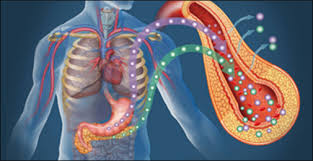
Metabolic syndrome describes a cluster of measurements associated with a higher likelihood of cardiovascular disease and type 2 diabetes. Its five components concern waist size, blood pressure, fasting glucose, triglycerides and HDL cholesterol. The label helps bring related problems into one prevention discussion. It does not establish that someone already has diabetes, a blocked artery or a previous heart attack. Those conditions require their own assessment. [1]
People often feel well when these measurements are abnormal. Raised blood pressure, high triglycerides and low HDL commonly cause no noticeable symptoms. Appearance, energy level and the absence of pain cannot reliably settle the question. A clinician reviews medical history, examination findings and laboratory results together. The useful outcome is a clear plan for the abnormalities that are present, including follow-up, rather than simply adding another label to a medical record. [1]
Insulin helps glucose move from the blood into cells. With insulin resistance, muscle, fat and liver cells respond less effectively, and the pancreas may produce more insulin to compensate. Glucose can rise when that compensation is insufficient. Insulin resistance and prediabetes are related concepts, but they are not interchangeable: prediabetes refers to glucose results above the usual range and below diabetes thresholds. [4]
The causes are complex. Family history, age, body-fat distribution, activity, sleep and some medicines or medical conditions can contribute. A person does not develop metabolic risk because of a single meal or a failure of character. Discuss relevant family conditions and prescribed medicines with the clinician; do not stop treatment independently. Routine assessment usually focuses on glucose and established risk factors, rather than ordering a fasting-insulin test for everyone. [4]
How the adult diagnostic criteria work
The 2009 harmonized definition identifies metabolic syndrome when any three of five components are present. They are increased waist circumference using population-appropriate cutoffs; triglycerides at least 150 mg/dL, equivalent to 1.7 mmol/L; HDL cholesterol below 40 mg/dL in men or 50 mg/dL in women, approximately 1.0 and 1.3 mmol/L respectively; systolic blood pressure at least 130 mm Hg or diastolic pressure at least 85 mm Hg; and fasting glucose at least 100 mg/dL, equivalent to 5.6 mmol/L. [2]
Treatment for the corresponding triglyceride, HDL, blood-pressure or glucose abnormality can also satisfy that component under this definition. The blood-pressure criterion requires either number to reach its threshold, not both. No single component, including waist size, is mandatory in the harmonized approach. These are criteria for identifying a cluster; they are not individual treatment targets. Counting numbers without their measurement conditions, medication history and applicable definition can therefore be misleading. [2]
The original International Diabetes Federation definition differs: it requires central obesity plus at least two of the other four abnormalities. In its published consensus, waist examples include at least 94 cm for Europid men and 80 cm for Europid women, and at least 90 cm for South Asian or Chinese men and 80 cm for women in those groups. These are population-specific examples from that definition, not universal boundaries for every person. [3]
The IDF document also notes the commonly used US thresholds of 102 cm for men and 88 cm for women. A clinician should identify the definition and locally appropriate cutoff, particularly for mixed ancestry or populations with limited validation. A trouser size is not a standardized waist measurement. Ask how and where the tape measurement was taken, and avoid comparing values obtained with different techniques. Waist circumference contributes information but cannot describe a person’s entire health. [3]
Who should discuss screening?
Screening aims to find risk before symptoms develop. As one US example, the USPSTF recommends screening for prediabetes and type 2 diabetes in asymptomatic, nonpregnant adults aged 35–70 who have overweight or obesity, followed by referral to effective prevention support when prediabetes is identified. It also advises considering earlier assessment for people with additional risk factors. This recommendation concerns glucose screening; it is not a universal age rule for diagnosing metabolic syndrome. [5]
Personal and family history may justify a different starting point or testing interval. Previous gestational diabetes, a strong family history and population-specific risk deserve discussion. Being younger than a routine screening age does not mean that symptoms should be ignored. Equally, a screening result needs interpretation, not an automatic prediction of future illness. Ask which test is proposed, what a positive result would change and when results will be reviewed. [5]
Understanding glucose and A1C results
A fasting plasma glucose test measures glucose at one point after at least eight hours without calories. In commonly used US diagnostic criteria, fasting results of 100–125 mg/dL indicate prediabetes, while 126 mg/dL or above is in the diabetes range. These correspond to 5.6–6.9 mmol/L and at least 7.0 mmol/L. The metabolic-syndrome glucose threshold therefore begins below the diabetes threshold. [6]
Except in clear clinical circumstances, an abnormal result needs confirmation with repeat testing or another accepted diagnostic test. A clinician may also use an oral glucose tolerance test or A1C, depending on the situation. Home glucose meters cannot establish a diabetes diagnosis. Tell the clinic if you were not fasting as instructed, were acutely unwell or had an unexpected result; that context helps determine whether and how testing should be repeated. [6]
A1C reflects average glucose over roughly three months and usually does not require fasting. It answers a different question from a single fasting measurement. Under commonly used diagnostic criteria, A1C of 5.7–6.4% is in the prediabetes range and at least 6.5% is in the diabetes range. These percentages must not be confused with glucose values reported in mmol/L or mg/dL. [7]
Some conditions make A1C less reliable, including certain types of anemia, altered red-cell survival and some hemoglobin variants. Pregnancy can also affect which test is appropriate. If A1C and plasma glucose disagree, the clinician should investigate the discrepancy rather than selecting whichever number seems more reassuring. Keep the report with its date, test name and units. Trends are most useful when the team knows which tests were used and whether their limitations apply. [7]
Blood pressure needs reliable measurement
The 130/85 mm Hg metabolic-syndrome component is not a complete definition of hypertension. For example, current US blood-pressure categories identify stage 1 hypertension at systolic readings of 130–139 or diastolic readings of 80–89 mm Hg. That different diastolic boundary illustrates why a person can need blood-pressure attention without meeting the syndrome’s blood-pressure component. Local guidelines and clinical circumstances also affect interpretation. [8]
A single hurried reading is an incomplete picture. Blood pressure varies, and measurements in a clinic can differ from those at home. Clinicians often confirm persistent elevation using repeated measurements, home records or an ambulatory monitor. They may investigate contributing conditions and medicines. Bring previous readings if available, but do not delay an assessment simply because you have not collected a perfect record. Measurement quality and the overall pattern both matter. [8]
If home monitoring is recommended, use a validated automatic upper-arm device with a cuff that fits. The American Heart Association advises avoiding smoking, caffeine and exercise for 30 minutes beforehand, emptying the bladder and resting quietly for at least five minutes. Sit with the back supported, feet flat and arm supported at heart level. Place the cuff on bare skin and avoid talking during the measurement. [9]
Take two readings one minute apart when instructed, and record the results rather than remembering only the lowest one. Ask the team when and how often to measure. Bring the monitor to an appointment so its use and accuracy can be checked. Home readings help with clinical decisions, but do not replace follow-up. A normal reading while taking medication is not a reason to stop it; it may show that treatment is working. [9]
Look beyond the five-component checklist
LDL cholesterol is not one of the five syndrome components, but it remains central to cardiovascular prevention. The 2026 US dyslipidemia guideline considers atherogenic lipoproteins, overall risk and the duration of exposure when guiding treatment. A low HDL result should prompt broader assessment, not a narrow effort to change one laboratory number while overlooking LDL, smoking, blood pressure or established vascular disease. [10]
For appropriate adults without established disease, clinicians may use the PREVENT equations and additional clinical information to estimate risk and discuss lipid-lowering treatment. These estimates differ from counting metabolic-syndrome components. Persistently high triglycerides also need context; very high levels may require attention to pancreatitis risk as well as cardiovascular risk. Decisions about statins or other medicines should follow that individual assessment, including other conditions, possible interactions and the person’s preferences. [10]
Kidney health can be relevant even when there are no symptoms. Diabetes and high blood pressure are reasons to discuss kidney testing. Assessment commonly combines a blood test estimating filtration, called eGFR, with a urine test for albumin, a protein that can leak into urine when kidneys are damaged. The two tests provide different information; one result cannot always substitute for the other. [11]
An unexpected urine albumin result may need repeat testing before it is interpreted as persistent damage. Ask which result is being followed and whether it changes the treatment plan. Kidney findings can affect medicine selection and monitoring, so share them with all clinicians involved. The presence of metabolic syndrome alone does not prove kidney disease. Testing is intended to clarify whether there is an additional problem that deserves its own care. [11]
Metabolic dysfunction-associated steatotic liver disease, often abbreviated MASLD, is another related condition. Older resources may call it nonalcoholic fatty liver disease. It is associated with insulin resistance, type 2 diabetes and abnormal blood fats, and it often has few or no symptoms. A person can therefore have liver-related risk without feeling pain or noticing a change in digestion. [12]
This association does not mean everyone with metabolic syndrome has fatty liver, or that every abnormal liver test has the same cause. Tell the clinician about alcohol use, medicines and supplements, and ask whether liver assessment is appropriate. Blood tests, imaging and other investigations answer different questions. The team may need to evaluate both fat accumulation and the possibility of liver damage, rather than assuming that one incidental result provides a complete diagnosis. [12]
The 2026 cardiovascular–kidney–metabolic, or CKM, guideline uses a broader framework connecting metabolic factors, kidney disease and cardiovascular disease. CKM staging is not the same as the three-of-five metabolic-syndrome definition. It can help clinicians organize risk assessment across organs and decide which preventive or protective treatments are appropriate. Hearing a new term at an appointment does not necessarily mean that the original diagnosis has suddenly worsened. [13]
The guideline emphasizes coordinated care and assessment of practical barriers such as access to medicines and healthy food. In selected people with diabetes, kidney disease or heart disease, treatment choices may be guided by demonstrated cardiovascular or kidney benefits as well as glucose control. Ask who is coordinating the plan when several specialists are involved. Shared records and one clear point of contact can help prevent conflicting instructions or important follow-up being missed. [13]
Build a practical, respectful prevention plan
Weight can be relevant to metabolic health, but useful care starts with a respectful conversation about the person’s goals and circumstances. Ask for a plan that considers food access, work patterns, mobility, caring responsibilities and previous attempts. A target that ignores those constraints may be difficult to follow even when the underlying advice is reasonable. The discussion should focus on health and function without blame. [14]
For some people, avoiding further weight gain is an appropriate initial goal; for others, gradual weight loss may be useful. The clinician should help decide what is realistic and safe. Discuss affordability and ask whether a dietitian, community programme or other support is available. Describe changes you could repeat on an ordinary week, not only during a short burst of motivation. Progress can be reviewed and the plan adjusted when circumstances change. [14]
Prevention has meaningful evidence behind it. In the US Diabetes Prevention Program, adults at high risk of type 2 diabetes who received an intensive lifestyle intervention had about a 58% lower relative incidence of diabetes than the placebo group over approximately three years. The programme combined support for dietary changes, physical activity and weight reduction; it was more than a leaflet telling participants to try harder. [15]
This is a group result from a particular study population, not a promise that every individual can reduce personal risk by exactly 58%. It also does not mean that 58 of every 100 participants were guaranteed to avoid diabetes forever. Ask whether a structured prevention programme is available locally and whether you meet its eligibility criteria. Regular coaching and practical support can make sustained changes more achievable than an isolated instruction at one appointment. [15]
Eating patterns that support metabolic health
The DASH eating pattern is one evidence-based option, especially when blood pressure is a concern. It emphasizes vegetables, fruit, whole grains, beans, nuts, fish, poultry and lower-fat dairy, while limiting foods rich in saturated fat and sugary drinks. It uses ordinary foods and can be adapted to different energy needs. A fixed menu or expensive branded product is not required. [16]
Sodium reduction is an important practical feature. Compare labels on foods you buy often, including bread, sauces, soups and prepared meals; sodium does not come only from salt added at the table. Choose lower-sodium versions when feasible and rinse suitable canned foods. Ask for individual advice if kidney disease or medicines affect potassium handling, rather than automatically replacing table salt with a potassium-based substitute. A dietitian can help adapt the pattern to medical needs and familiar meals. [16]
Food quality matters alongside quantity. WHO guidance supports varied diets with vegetables, fruit, pulses, whole grains and appropriate protein sources, while limiting free sugars, excess sodium and unhealthy fats. Choosing unsaturated fats in place of some saturated fats is one useful direction. Carbohydrate-containing foods differ substantially: beans, intact whole grains and whole fruit are not nutritionally equivalent to sugary drinks or sweets. [17]
A practical change might be replacing a frequent sweetened drink with water, adding beans to a familiar dish or choosing a higher-fibre staple. Preserve enough variety and nourishment rather than banning entire food groups without a reason. Budget, culture and locally available foods should shape the plan. No single food can diagnose or cure metabolic syndrome. The relevant question is whether the overall eating pattern is sustainable and appropriate for the person’s health needs. [17]
Move more in ways you can maintain
WHO recommends that adults aim for 150–300 minutes of moderate aerobic activity each week, or 75–150 minutes of vigorous activity, or an equivalent combination. Muscle-strengthening activity involving the major muscle groups is recommended on at least two days each week. These are general goals, not a requirement to begin at the full amount. Any activity is better than none, and short periods of movement count. [18]
Walking, cycling, wheeling, dancing, gardening and everyday journeys can contribute. Reduce long stretches of sitting where possible and choose activities that fit your ability and surroundings. The purpose is to develop a pattern you can repeat, not to earn food or compensate for a particular meal. Disability, chronic illness and age may require adaptations. A healthcare professional or appropriately qualified exercise specialist can help translate general recommendations into a workable plan. [18]
Start with a manageable action, such as a short walk after a meal, and build gradually. CDC guidance encourages choosing enjoyable activities, planning when they will happen and finding support. If pain, balance difficulties or previous illness limit activity, discuss alternatives. A routine that repeatedly causes symptoms or feels unsafe needs adjustment, rather than simply more determination. [19]
People taking medicines that can lower glucose too far may need specific advice about activity, food and glucose monitoring. Ask the diabetes team which precautions apply; recommendations for someone using insulin may differ from those for someone without diabetes. Foot problems and other complications can also influence the safest choices. Keep needed supplies available when advised, and tell the clinician about symptoms during activity. More movement should fit into the treatment plan, not create avoidable risks. [19]
Sleep, smoking and alcohol deserve attention
Sleep is part of health care rather than an optional extra. CDC recommends at least seven hours for adults aged 18–60, with somewhat different ranges for older adults. Quality matters too: repeatedly waking or feeling unrefreshed despite enough time in bed warrants attention. Sleep needs and opportunities may be affected by shift work, caring responsibilities, pain or other health problems. [20]
Useful habits include a consistent sleep schedule where possible, a quiet sleeping environment and attention to caffeine or alcohol near bedtime. These steps do not solve every sleep disorder. If sleep remains difficult, describe the pattern and its effect on daytime functioning to a clinician. A brief record of bedtimes, awakenings and daytime sleepiness can make the conversation more concrete. Avoid treating poor sleep as a personal failure or assuming that one generic bedtime routine suits everyone. [20]
Loud snoring, witnessed pauses in breathing, gasping during sleep and marked daytime sleepiness can suggest sleep apnea. Some people mainly notice fatigue, headaches or disrupted sleep. NHLBI describes associations between sleep apnea and conditions including high blood pressure, diabetes and cardiovascular disease. Snoring alone does not establish the diagnosis, and the absence of remembered nighttime symptoms does not rule it out. [21]
Tell the clinician what you or a bed partner have noticed. A sleep study may be needed, and treatment depends on the type and severity of the disorder. Improving sleep habits and treating an obstructed airway address different problems. If a prescribed device is uncomfortable or difficult to use, ask for help with fitting or alternatives rather than quietly abandoning treatment. Persistent sleepiness also matters for activities such as driving and operating equipment. [21]
Stopping smoking reduces cardiovascular risk even after many years of tobacco use, and people who already have coronary heart disease also benefit. Improvements accumulate over time. This matters whether or not someone meets the formal definition of metabolic syndrome: a five-component checklist does not include every important preventable risk. Smoking status should therefore remain part of the overall discussion. [22]
A previous unsuccessful attempt does not remove the value of trying again with support. Tell the healthcare team what made earlier attempts difficult and ask about an appropriate cessation plan. Reducing exposure to secondhand smoke can also protect other people. Avoid postponing tobacco treatment until weight, glucose or every other measurement has improved. Several health goals can be addressed together, with priorities chosen to make the work manageable and appropriate to the person’s circumstances. [22]
Alcohol is not a treatment for low HDL or a recommended way to prevent cardiovascular disease. The American Heart Association advises people who do not drink not to start for health reasons. Its 2025 scientific statement describes uncertainty in evidence about light-to-moderate drinking and consistently adverse cardiovascular associations with heavy consumption and binge drinking. Observational findings about drinkers do not prove that alcohol itself provides protection. [23]
Discuss actual serving sizes and drinking patterns with the clinician, because a large glass or mixed drink may contain more alcohol than expected. Medicines, pregnancy, liver problems and other circumstances can change the advice. The appropriate plan may involve reducing or avoiding alcohol. A discussion about metabolic health should consider these wider effects rather than treating an apparent change in one cholesterol measurement as a reason to continue drinking. [23]
Medicines treat specific risks and conditions
Blood-pressure treatment combines supportive lifestyle changes with medication when indicated. The 2025 US guideline uses the pressure level, cardiovascular risk and relevant conditions to guide decisions. Its general treatment goal is below 130/80 mm Hg, with additional considerations for pregnancy, limited life expectancy and some care settings. This is a guideline framework, not a personal target assigned by an article. [24]
Ask what target applies to you, when readings will be reviewed and what adverse effects should prompt contact. Treatment may need adjustment as health or other medicines change. Do not start, stop or double a medicine based on a metabolic-syndrome checklist. When cost or a complicated schedule makes adherence difficult, tell the team so the plan can be simplified or alternatives considered. [24]
For prediabetes, a structured lifestyle programme remains an important option. The ADA’s 2026 prevention standards also recommend considering metformin for selected adults at high risk, particularly certain younger adults with higher glucose levels or substantial obesity, and people with previous gestational diabetes. Having metabolic syndrome alone is not a universal instruction to take it. Eligibility and the balance of benefits and harms require clinical assessment. [25]
Long-term metformin use can warrant periodic assessment of vitamin B12, especially when anemia or nerve symptoms are present. This illustrates why prevention medication still needs follow-up rather than being treated as an over-the-counter supplement. Ask what the medicine is intended to prevent, what monitoring is needed and how it fits with other care. The choice should reflect the person’s actual risk and circumstances, not an online comparison with someone else’s prescription. [25]
Prescription weight-management medicines may be appropriate for some people with obesity, or overweight accompanied by relevant health problems. They work in different ways and are used alongside ongoing nutritional, activity and behavioral support. A clinician considers medical history, other medicines, expected benefits, adverse effects and affordability. The presence of metabolic syndrome does not make every available weight-loss drug suitable. [26]
Ask about follow-up, how response will be assessed and what may happen if treatment is stopped. Avoid assuming that a product sold for one indication has the same approved use, formulation or safety profile as another. Pregnancy plans must be discussed because weight-loss medicines should not be used during pregnancy. Do not borrow another person’s medication or combine products independently. A sustainable care plan includes the practical ability to obtain and monitor the prescribed treatment. [26]
Metabolic and bariatric surgery can be an option for selected people with obesity and related health problems. It changes the digestive system and may improve conditions such as type 2 diabetes, but it is not an automatic next step after a metabolic-syndrome diagnosis. Assessment considers the individual’s health, previous treatment, potential benefits, operative risks and ability to take part in follow-up. [27]
Surgery also creates long-term responsibilities. Nutrient deficiencies, other complications or additional procedures can occur, and ongoing nutritional care and monitoring are important. The best procedure and eligibility criteria vary with clinical circumstances and local guidance. A specialist team should explain both immediate risks and later care before a decision. Improvement after surgery does not mean that every related condition is permanently cured or that future monitoring can be abandoned. [27]
Children, pregnancy and changing circumstances
Pediatric metabolic-syndrome definitions lack universal agreement. Clinicians assess individual risk factors rather than relying on a single adult checklist. [31]
Children and adolescents need assessment appropriate to growth and development. Families should not apply an adult waist chart or adult treatment plan themselves. The American Academy of Pediatrics emphasizes comprehensive, family-based care for childhood obesity and related health concerns. That includes the child’s medical history, environment, access to nutritious food and opportunities for enjoyable activity, rather than focusing only on a scale reading. [28]
A pediatric clinician can decide which measurements and tests are relevant and how to interpret them. Treatment may involve nutrition, activity and behavioral support, with other options for selected young people. Care should avoid blame, teasing and unsupervised restrictive diets. Ask how the plan supports growth, emotional well-being and the family’s daily life. Waiting for a child to fit an adult syndrome label can distract from addressing an existing concern with appropriate pediatric care. [28]
Pregnancy changes assessment and treatment priorities. Someone with diabetes who is planning pregnancy should arrange a preconception review, including glucose management and medicines. Pregnancy-specific testing and targets differ from routine adult metabolic-syndrome criteria. A waist measurement during pregnancy is not a useful way to independently classify metabolic risk. Discuss plans early so necessary changes can be made with the relevant clinicians. [29]
Gestational diabetes also has implications after delivery. Glucose may return to the usual range, yet the future risk of type 2 diabetes remains higher. Postpartum testing and continued screening are therefore important. Ask the maternity or diabetes team to document which test is needed, when it should occur and who will follow the result. Caring for a newborn can make appointments difficult, so arranging the follow-up before discharge may help keep it from being overlooked. [29]
When symptoms need urgent help
Metabolic syndrome itself is usually addressed through planned care, but possible heart attack or stroke symptoms are emergencies. New chest pressure or discomfort, especially with shortness of breath, sweating or pain elsewhere in the upper body, needs urgent assessment. Sudden face drooping, arm weakness, speech difficulty, loss of balance or vision changes can signal stroke. Call the local emergency number immediately; in the United States, call 911. [30]
Do not wait for a routine appointment, a repeat cholesterol test or confirmation that three metabolic criteria are present. Emergency symptoms matter regardless of age, body size or a previous reassuring checkup. Prompt assessment gives emergency teams the chance to identify the cause and begin time-sensitive treatment. [30]
Frequently asked questions
Is metabolic syndrome the same as diabetes?
No. Diabetes has separate diagnostic criteria.
Is insulin resistance always prediabetes?
No. Glucose can remain normal despite insulin resistance.
Can one food cure metabolic syndrome?
No. Overall eating patterns and clinical care matter.
Does everyone need the same medicines?
No. Treatment depends on individual findings and risk.
Can children use the adult criteria themselves?
No. A pediatric clinician should assess them.
Can improvements remove the need for follow-up?
No. Continue monitoring and review treatment with your clinician.
Sources
This guide supports an informed conversation with a qualified healthcare professional. Individual assessment and local guidance determine care. Sources were checked on 8 October 2026. Read our medical disclaimer.
- NHLBI: Metabolic syndrome
- Joint statement: Harmonizing metabolic syndrome
- IDF: Worldwide metabolic syndrome definition
- NIDDK: Insulin resistance and prediabetes
- USPSTF: Prediabetes and diabetes screening
- NIDDK: Diabetes tests and diagnosis
- NIDDK: The A1C test and diabetes
- NHLBI: High blood pressure diagnosis
- AHA: Home blood pressure monitoring
- AHA/ACC: 2026 dyslipidemia guideline
- NIDDK: Kidney disease tests and diagnosis
- NIDDK: Fatty liver symptoms and causes
- AHA: 2026 cardiovascular–kidney–metabolic guideline
- NIDDK: Talking with patients about weight
- NIDDK: Diabetes Prevention Program
- NHLBI: DASH eating plan
- WHO: Healthy diet
- WHO: Physical activity guidance
- CDC: Get active with diabetes
- CDC: About sleep
- NHLBI: Sleep apnea symptoms
- CDC: Benefits of quitting smoking
- AHA: Alcohol and cardiovascular disease
- AHA/ACC: 2025 blood pressure guideline
- ADA: Diabetes prevention standards 2026
- NIDDK: Prescription weight management medicines
- NIDDK: Metabolic and bariatric surgery
- AAP: Care for children with obesity
- NIDDK: Pregnancy when you have diabetes
- AHA: Heart attack and stroke warning signs
- AAP: Pediatric metabolic risk factors