

Educational guide · Sources checked 8 October 2026
Measles vaccine decisions are easier to understand when three things are clear: which vaccine is involved, which country’s guidance applies and whether the appointment is routine, catch-up or related to travel or exposure. This guide explains those distinctions and the questions to bring to a healthcare professional.
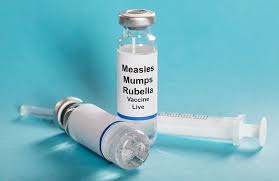
What the measles vaccine helps prevent
Measles is an airborne viral infection that can cause much more than a childhood rash. Pneumonia, severe diarrhoea, dehydration and inflammation of the brain are among its complications, and some infections are fatal. Young children, people with weakened immune systems and pregnant people can face particular risks. Vaccination aims to prevent infection and its consequences before an exposure occurs, rather than waiting to see whether an individual illness will become severe. [1]
An infected person can spread measles before the characteristic rash appears. The virus can remain infectious in the air for up to two hours, so avoiding visibly ill people cannot eliminate every exposure. Protection matters even where measles has become uncommon. Imported infections can reach susceptible communities, and disruption of routine vaccination can allow outbreaks to grow. Measles vaccination is therefore both an individual preventive measure and part of continuing public-health work. [1]
Natural measles infection can damage immune memory: the immune system may lose some of the protection it had developed against other infections. This effect is often called immune amnesia. Recovery from the rash does not necessarily mark the end of the infection’s effects on health. Deliberately catching measles is consequently a hazardous way to acquire immunity, especially when a vaccine can train immune defences without the same risks of wild-virus infection. [31]
Measles vaccines use a weakened, or live attenuated, virus. It stimulates an immune response while being substantially less capable of causing disease in people who can safely receive it. The second recommended dose gives another opportunity for protection to develop in people who did not respond adequately to the first. Eligibility screening remains important because live vaccines require special care in some medical circumstances. [2]
Understanding MMR, MMRV and the vaccination record
MMR stands for measles, mumps and rubella: one injection contains vaccine components against three different infections. MMRV adds varicella, the virus that causes chickenpox. A record showing MMRV therefore includes a measles-containing dose, while a record showing only varicella does not. Counting appointments or injections without reading the product names can give a misleading impression of how many measles doses a person has received. [3]
Hong Kong’s childhood programme illustrates this distinction. It offers separate MMR and varicella injections at one year, followed by MMRV at 18 months for children born on or after 1 July 2018. That sequence contains three injections but two measles-containing doses. Older cohorts have different arrangements. When moving between health systems, bring the original record so the clinician can identify the diseases covered by each product rather than assuming that every combination vaccine contains the same components. [3]
How effective is vaccination, and why are two doses used?
CDC estimates one measles-containing dose is about 93% effective and two doses about 97%. These are population estimates, not guarantees. Current US routine childhood MMR doses are at 12–15 months and 4–6 years. Most adults need one dose or other accepted evidence of immunity; some higher-risk groups need two. International travellers, healthcare personnel and college students should check their specific recommendations. [4]
US MMRV is licensed for ages 12 months through 12 years. For the first dose at 12–47 months, CDC recommends separate MMR and varicella vaccines unless a parent or caregiver prefers MMRV, reflecting the higher fever-related seizure risk with MMRV. A second MMR dose can sometimes be brought forward with the required interval. That is an accelerated schedule decision, not a reason for families to create their own spacing. [4]
CDC does not recommend routine antibody testing after vaccination. People with two valid documented MMR doses generally do not need extra measles boosters; documented age-appropriate vaccination usually takes precedence over a later negative measles antibody result. Specialist circumstances can differ, so additional testing should have a clear clinical purpose. [30]
A small proportion of people do not develop adequate protection after their first measles dose. This is called primary vaccine failure; it does not mean the vaccine generally fails or that the recipient did anything wrong. A second dose substantially reduces this remaining gap. Maternal antibodies can interfere with the response in younger infants, which is one reason an early dose may be useful for immediate risk yet require further vaccination later. [5]
The age selected for a first routine dose balances the risk of infection against the likelihood of a strong vaccine response. Countries with different patterns of measles transmission can therefore use different schedules. A dose recommended in an outbreak may serve a different purpose from a routine appointment. Comparing two age charts without their country, date and clinical context can make compatible public-health strategies appear contradictory. The local vaccination service should interpret which recommendations apply. [5]
Routine childhood schedules depend on the country
In the NHS programme described in current English guidance, MMRV replaced routine childhood MMR from January 2026. Children born on or after 1 January 2025 are offered MMRV at 12 and 18 months. Children born from July through December 2024 are offered it at 18 months and 3 years 4 months. Those born from September 2022 through June 2024 are offered a dose at 3 years 4 months. Previous MMR doses remain relevant to the complete record. [6]
A selective MMRV catch-up programme for eligible children born from January 2020 through August 2022 is scheduled for November 2026 through March 2028. On this article’s check date, that programme had not yet begun. Eligibility includes the child’s chickenpox or chickenpox-vaccination history. Older children and adults can still need MMR catch-up. Families should use the invitation and birth-cohort guidance from their service, rather than assuming that every child immediately switches to the same two appointments. [6]
Australia’s routine programme uses MMR at 12 months and MMRV at 18 months. The Australian Immunisation Handbook does not recommend MMRV as the first measles-containing dose in children younger than four because of the small additional fever-related seizure risk. The different products at the two appointments are intentional. Parents comparing an Australian record with an English one should have the record assessed as a sequence, rather than treating the change in combination name as an omission. [7]
The same handbook explains why recent antibody-containing blood products can change timing. Those antibodies may interfere with the immune response to a live measles vaccine. The interval depends on the particular product and circumstances; it is not one waiting period for every transfusion. Tell the vaccination team about immunoglobulin, transfusions and their dates. A clinician can check the relevant interval and any exceptions instead of asking the family to calculate when vaccination will be effective. [7]
Switzerland provides another useful example of national variation: its Federal Office of Public Health recommends measles-containing doses at nine and twelve months, with MMRV preferred as part of its combined protection strategy. This is a routine Swiss schedule, not a universal recommendation to move every infant’s first dose to nine months. A child transferring into or out of Switzerland needs their actual vaccination dates reviewed under the receiving country’s guidance. [8]
Swiss guidance supports catch-up for people who are not immune and recognises documented vaccination or documented previous measles as evidence. Its historical birth-year assumptions reflect the country’s own experience of transmission. Those assumptions should not be copied into advice for everyone internationally. Keep the country and circumstances attached to a recommendation when checking an older record. [8]
Adults, missed doses and uncertain records
Missing childhood appointments does not mean the opportunity for vaccination has passed. Ireland’s HSE offers MMR catch-up through primary care and highlights people in crowded accommodation, healthcare work, international travel or close contact with vulnerable people. These situations can make a review particularly useful. An adult should ask whether the existing record meets the recommendation for their own setting, rather than assume that measles vaccination is relevant only to children. [9]
If records cannot be found, tell the clinician what is known. HSE notes that receiving MMR again does not harm someone simply because they may already have received it. Screening for pregnancy, relevant allergies and immune-system problems remains necessary. The service can decide how to address an incomplete history; searching for a lost childhood booklet should not become the only plan for closing a protection gap. [9]
Health New Zealand’s immunity resource warns that remembering all childhood vaccinations is not always enough to establish current measles protection. The number and timing of recommended doses changed over the years. Its guidance for vaccine-derived protection checks for two measles doses given after twelve months of age and at least four weeks apart. A person may have followed the schedule offered at the time while still needing a review under later guidance. [10]
Start with whatever documentation exists: a childhood vaccination book, a clinic record or an official immunisation summary. Preserve the actual dates and names when sharing it with a new provider. An entry simply saying that vaccinations are complete can conceal information needed to interpret an older schedule. Records from another country also deserve careful reading. An early infant dose, for example, may have served a valid purpose without satisfying all requirements for the later routine course. [10]
The Netherlands’ RIVM describes a historical gap affecting some people born between 1965 and 1975: measles had become less common during their childhood, while routine vaccination had not covered everyone in that group. The example shows why neither being an adult nor having avoided measles so far proves immunity. Population history can help identify who needs a closer look, but it does not replace an individual vaccination record or accepted clinical evidence. [11]
RIVM directs people to their vaccination information and local vaccination services. A missing electronic entry should prompt reconciliation with older documents, not an automatic conclusion that no vaccine was given. Equally, a recollection of a childhood rash should not be converted into confirmed measles without the evidence the relevant service accepts. Distinguish a missing record from a confirmed missed dose. [11]
Germany’s STIKO distinguishes routine adult vaccination from recommendations connected to particular work or living environments. Its adult catch-up recommendation includes people born after 1970 with unclear status, no vaccination or only one childhood dose. Occupational recommendations and assessments in shared accommodation can be more specific. The distinction matters because a general adult recommendation is not necessarily the standard that applies to someone working with patients, children or other vulnerable groups. [12]
For a new job or placement, ask occupational health which evidence is needed. STIKO’s guidance includes checking records for staff and volunteers in reception centres and communal accommodation. Resolve the record with the appropriate service before the placement if possible. A colleague’s vaccination plan may reflect different documented doses or medical circumstances, so it should not simply be copied. [12]
Travel and outbreak advice are separate from routine scheduling
Singapore’s Communicable Diseases Agency advises travellers who are unsure of their immunity to seek assessment four to six weeks before travel. Its 2026 advice specifically asks parents travelling with infants aged six to eleven months to obtain medical assessment: an early MMR dose may be recommended before departure. An infant who receives that early dose still needs two later doses under Singapore’s routine schedule. The early visit addresses travel risk; it does not complete the childhood course. [13]
Include each traveller, the departure date and the infant’s exact age in the review. Following routine appointments correctly does not remove the need for an earlier discussion about a trip. If departure is close, contact the service promptly. The clinician can explain what is feasible and what subsequent appointments remain necessary. [13]
Bring a single list of travel dates and vaccination records to the appointment. Ask the clinician to label any proposed dose as routine, catch-up or an additional early dose, and to write down the remaining appointments. This makes the plan easier to follow after returning home. For a separate travel-vaccine topic, the Japanese encephalitis vaccine guide can help you prepare questions for a travel consultation. Keep advice for different vaccines separate; the name of one travel vaccine does not answer questions about another.
Who needs a careful eligibility assessment?
M-M-R II is FDA-licensed from twelve months of age. Its US prescribing information identifies pregnancy, immunosuppression and relevant serious hypersensitivity among its contraindications, alongside other product-specific restrictions. A previous severe reaction to a vaccine or component must be discussed before another dose. The team needs the diagnosis and treatment history, not just a description such as having low immunity. Product information and specialist guidance should be interpreted together. [14]
The US PRIORIX label covers measles, mumps and rubella vaccination from twelve months of age and identifies pregnancy and severe immunodeficiency as contraindications. It includes precautions about febrile seizures, low platelets and fainting. These are reasons for a proper clinical history, not a checklist for choosing a product independently. National recommendations for selected younger infants are a distinct public-health decision; routine licensing should not be confused with every situation in which a specialist may recommend vaccination. [15]
Pregnancy planning is a useful opportunity to review protection. Canadian guidance generally contraindicates MMR and MMRV during pregnancy and advises avoiding pregnancy for at least four weeks after vaccination. It supports MMR for susceptible breastfeeding people. If vaccination occurred inadvertently during pregnancy, seek individual advice: the guidance does not recommend ending a pregnancy solely because of the vaccination. Possible exposure to measles during pregnancy needs prompt professional assessment rather than an unsupervised vaccine appointment. [16]
Immune-system conditions require more detail than a yes-or-no label. Canadian guidance considers the type and degree of immunosuppression, the treatment being used and the person’s clinical situation. Some people can be vaccinated under specialist guidance, while others need a different protection plan. The clinician managing the underlying condition should help decide. Do not stop a prescribed medicine, delay essential treatment or assume that a previous vaccination removes the need to report a new exposure. [16]
A minor illness, such as a simple cold, does not automatically prevent vaccination. Ask the vaccinator about current symptoms. [20]
Tell the vaccination clinician about current medicines, recent treatments and significant medical conditions. Mayo Clinic’s product guidance describes interactions with medicines that alter immune function and with some other vaccines or antibody products. The relevant detail may be the actual medicine, its timing and its purpose. A complete list is more useful than a broad category such as arthritis medicine or cancer treatment, especially when care is spread across several services. [17]
Describe previous unusual reactions, platelet problems and planned investigations. The provider can coordinate vaccination with other care and decide whether specialist advice is needed. Do not use an online interaction list to stop medication yourself. MMR does not treat established measles, mumps or rubella. Symptoms suggesting infection need assessment even if a vaccination visit was already arranged. [17]
Ingredients, allergies and choosing a formulation
An egg allergy is not the same as an allergy to an MMR vaccine. The American Academy of Pediatrics explains that measles and mumps vaccine viruses are grown in chick-embryo cell cultures, rather than whole eggs, and the tiny residual egg-protein amounts do not usually cause reactions in egg-allergic children. Families should still describe the allergy and any previous vaccine reaction so the clinician can follow the guidance for the exact product and situation. [18]
Other ingredients serve different purposes, such as keeping a vaccine stable or preventing contamination during manufacturing. A known severe allergy to a component such as gelatin deserves specific attention. Reading a chemical name without its role, amount or product context does not establish whether a vaccine is appropriate. Ask the vaccinator to check the actual ingredient list and explain the relevant concern. This avoids confusing a food allergy, a manufacturing process and a documented reaction to a finished vaccine. [18]
Formulations are not identical across brands. Oxford’s Vaccine Knowledge resource describes differences between the MMR and MMRV products used in the UK, including stabilizers and manufacturing residues. Some products contain porcine gelatin and others do not. People with ingredient-related or religious concerns can ask which formulation the service offers and whether an appropriate alternative is available. That discussion should happen before the appointment if a particular product needs to be arranged. [19]
A photograph of a vial, an older video or a generic ingredient list cannot establish the contents of the product being offered today. The current patient leaflet and the exact brand name are the useful references. MMR and MMRV should also be distinguished when checking ingredients because adding a vaccine component changes the formulation. Ask for an explanation of any unfamiliar ingredient rather than assuming that a list for one country or brand describes every measles-containing vaccine. [19]
Expected reactions and symptoms that need attention
A sore injection site, fever, irritability or a mild rash can follow MMRV. Some effects are delayed because the immune response develops over time. UKHSA describes a measles-like rash most often appearing about a week after vaccination and lasting a few days. Transmission of the measles vaccine virus to contacts has not been documented. However, the timing of a rash alone cannot establish its cause, particularly after a known measles exposure or during an outbreak. [20]
MMRV can also cause a chickenpox-like rash from its varicella component, usually within a month. Rare transmission of varicella vaccine virus from people with a post-vaccination rash has been documented. A widespread rash or spots away from the injection site should be assessed, especially around immunosuppressed contacts. Therefore, the blanket claim that every rash after every measles-containing vaccine is noninfectious is misleading. Ask the service about the actual rash and appropriate contact precautions. [20]
Serious reactions are uncommon, but they need recognition. A severe allergic reaction can involve swelling of the face, lips or tongue, breathing problems, low blood pressure or collapse. Seek emergency help for those symptoms or for a first or ongoing seizure. Unusual bleeding or bruising needs prompt medical assessment. Do not assume that a symptom is harmless simply because it followed vaccination, or wait for an online discussion to settle whether the vaccine caused it. [21]
For less urgent but concerning symptoms, contact the clinician who vaccinated you or the usual healthcare service. Describe when the vaccine was given, what changed and whether symptoms are worsening. The team can distinguish expected reactions from a coincidental illness and advise on care. Keep the product information provided at the visit available. A plan for getting advice is more useful than trying to memorize every possible reaction before vaccination. [21]
What the safety evidence can and cannot tell us
Cochrane’s systematic review found that measles-containing combination vaccines prevent disease and found no evidence of an increased autism risk. It also identified small risks of febrile seizures and immune thrombocytopenic purpura, a platelet disorder. These findings belong together: an effective vaccine can have uncommon adverse effects while offering substantial protection against infection. Describing it as completely risk-free would be inaccurate, just as ignoring the risks of measles would give an incomplete comparison. [22]
Evidence quality varies by outcome and study design. Cochrane rated some findings with moderate rather than high certainty and clearly stated the evidence-search date. A review is not a promise that every later symptom has been explained, nor does uncertainty about a rare outcome make all claims equally credible. Useful questions include how the outcome was measured, how vaccinated and unvaccinated groups were compared, and whether the finding has been reproduced across large populations. [22]
A Danish nationwide study reported by Statens Serum Institut followed 657,461 children and found no increased autism risk associated with MMR vaccination. It also examined children with factors associated with higher autism risk, including having an autistic sibling. This matters because the claim of a hidden susceptible subgroup can be tested rather than simply repeated. The study did not support the suggestion that MMR triggers autism in those children. [23]
Developmental differences may first become noticeable around the same ages as routine childhood vaccinations. Events occurring near each other in time do not, by themselves, show that one caused the other. Large studies can compare patterns across children with different vaccination histories and account for relevant background factors. Families with developmental concerns should seek an appropriate assessment; those concerns deserve attention without attaching an unsupported vaccine explanation or delaying other children’s recommended protection. [23]
Safety monitoring continues after a vaccine is introduced. In the UK, patients, carers and health professionals can submit suspected adverse reactions through the MHRA Yellow Card scheme. The reporter does not have to prove that the product caused the event. This deliberately broad approach helps regulators identify possible signals that need investigation. A report should therefore be treated as a report of suspicion, not as a confirmed diagnosis of vaccine injury. [24]
Lists of submitted reports cannot be read as a simple count of proven harms. Regulators consider additional evidence when assessing a possible safety problem. Reporting and clinical care also have different purposes: submitting a form does not arrange urgent treatment for a person who is unwell. Seek needed medical help first, then ask how to document the concern. Accurate dates, the product name and a clear account of symptoms make a report more useful than a conclusion guessed from timing alone. [24]
After a possible measles exposure, act promptly
Contact a healthcare professional or local public-health service promptly after a possible exposure, especially for an infant, a pregnant person or someone with significant immunosuppression. Post-exposure protection is time sensitive. Norway’s FHI guidance illustrates the short windows: MMR may be considered within 72 hours for eligible susceptible contacts, while immunoglobulin may be considered within six days for selected people for whom vaccination is unsuitable. The choice depends on the individual and local guidance. [25]
These windows explain why early contact matters; they are not instructions for independent treatment. Public health assesses exposure, timing, existing protection and contraindications. Sharing indoor air can matter without face-to-face contact. Advice may include monitoring or restrictions. Vaccinated people should also report compatible symptoms because breakthrough infections can occur. [25]
If measles is suspected, telephone the clinic before attending. Healthdirect advises calling promptly after contact with someone with measles or when symptoms suggest the infection. A fever, cough, runny nose, sore red eyes and a later spreading rash can form part of the illness. Calling ahead allows the service to arrange assessment while reducing exposure for people in a waiting room. Mention recent travel and known contacts when describing the concern. [26]
Public-health follow-up may involve identifying people who shared relevant places or contacts with the ill person. Clear information about dates and locations helps the team decide who needs advice. Do not send a potentially infectious child to school or arrive unannounced at another appointment while waiting for clarification. Follow the local service’s instructions about assessment and contact with others. If the person deteriorates, seek medical care promptly rather than waiting for a routine vaccination or administrative response. [26]
Why community coverage and reliable services matter
South Africa’s NICD explains that vaccination campaigns have two connected aims: protect the person receiving the vaccine and reduce the virus’s opportunities to reach others. A baby too young for routine vaccination can be affected by infections circulating among older children and adults. Campaigns can help close immunity gaps that accumulate when routine doses are missed or when some recipients do not respond to their first dose. Their value extends beyond the attendance of one individual family. [27]
A campaign invitation should be read in its own place and time. Target ages, eligibility and the handling of previous doses can differ from routine services. A historical campaign notice is not a permanent dosing recommendation for every adult or child. If invited, ask how the campaign dose will be recorded and whether any routine appointments remain due. Campaign activity and dependable ongoing vaccination services work together; a temporary event does not remove the need for future routine care. [27]
Low vaccination coverage is not explained only by individual choices. Access can be interrupted by conflict, travel distance, shortages, missed appointments or services that are difficult for families to use. UNICEF’s immunisation work includes vaccine supply, cold-chain equipment, community engagement and outbreak response. These practical systems determine whether a recommended dose can actually reach a child. Supporting access is therefore part of measles prevention, alongside clear and accurate conversations about benefits and risks. [28]
Tell the service what is preventing attendance, whether transport, language, records or appointment availability. Outreach programmes may help. Health workers need ways to identify missed doses and reconnect families with routine care after disruption. A respectful discussion addresses concerns and practical obstacles together. Assuming everyone with an incomplete record made the same decision can miss the actual problem. [28]
Regulatory approval and vaccination scheduling answer related but different questions. The European Medicines Agency evaluates medicines, including centrally authorised measles-containing vaccines, and continues monitoring their safety. National health authorities decide how products fit into local vaccination programmes. A brand being authorised does not mean that every country uses it at the same ages or for the same programme. The current product information and current local recommendation both matter when planning a vaccination. [29]
When a foreign schedule or product label seems to conflict with clinic advice, ask which vaccine is proposed, which local recommendation applies and what further doses are expected. Regulatory information and public-health guidance serve different purposes. A useful explanation connects those purposes instead of treating a marketing authorisation as a complete personal vaccination plan. [29]
Frequently asked questions
Is MMRV the same as MMR?
MMRV also includes protection against chickenpox.
Can adults catch up on missed MMR?
Yes. A clinician can review the record and eligibility.
Does an early travel dose complete an infant’s course?
No. Later routine doses are still needed.
Does MMR cause autism?
Large studies do not support a causal link.
Can MMR be given during pregnancy?
It is generally contraindicated. Seek individual medical advice.
What should I do after measles exposure?
Contact a clinician or public-health service promptly.
Sources
This is general educational information. A qualified healthcare professional should interpret current local guidance for an individual’s circumstances. Sources were checked on 8 October 2026; schedules and product information can change.
- WHO: Measles
- CHOP: Measles, mumps and rubella
- Hong Kong CHP: MMR and MMRV vaccines
- CDC: Measles vaccine recommendations
- ECDC: Measles facts
- NHS: MMRV vaccination
- Australian Immunisation Handbook: Measles
- Swiss FOPH: Measles
- Ireland HSE: MMR vaccine
- Health New Zealand: Measles immunity table
- Netherlands RIVM: Measles vaccination
- Germany STIKO: 2026 vaccination recommendations
- Singapore CDA: Measles precautions
- FDA: M-M-R II prescribing information
- FDA: PRIORIX prescribing information
- Canadian Immunization Guide: Measles vaccines
- Mayo Clinic: Measles vaccine precautions
- AAP: Vaccine ingredient questions
- Oxford Vaccine Knowledge: MMRV vaccine
- UKHSA: MMRV practitioner guidance
- Cleveland Clinic: MMR vaccine
- Cochrane: MMR and MMRV review
- Statens Serum Institut: MMR and autism study
- MHRA: Yellow Card reporting guidance
- Norwegian FHI: Measles handbook
- Healthdirect: Measles
- South African NICD: Vaccination campaigns
- UNICEF: Immunization
- EMA: Measles vaccine regulation
- CDC: Clinical measles questions
- CHOP: Measles facts for healthcare professionals





