

Updated
The influenza virus causes a contagious respiratory infection that can range from mild illness to serious complications. This guide explains the biology, common symptoms, testing limits, treatment and prevention, with vaccine advice clearly tied to its location and season. It is educational information, not a diagnosis or an individual treatment plan. Sources were checked on 8 October 2026. [1]
What is the influenza virus?
Influenza is a viral infection of the respiratory system. The virus carries genetic instructions as single-stranded RNA and belongs to the orthomyxovirus family. After entering the respiratory tract, it can infect cells lining the airways and use those cells to produce more virus. Damage to this lining helps explain why a respiratory infection can require a recovery period even after the most intense symptoms settle. The word “virus” describes the infectious agent; “influenza” or “flu” describes the illness it can cause. [2]
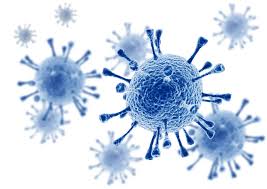
Types A, B, C and D
Influenza A and B cause the seasonal epidemics most people mean when they discuss flu. Influenza A is divided into subtypes according to two surface proteins, hemagglutinin and neuraminidase, abbreviated H and N. The familiar names A(H1N1) and A(H3N2) refer to these combinations. Influenza B is described by lineages rather than H-and-N subtypes. Influenza C generally produces milder illness and does not cause the usual seasonal epidemics; influenza D primarily affects cattle and is not known to cause human illness. [3]
| Type | Seasonal context |
|---|---|
| A | Seasonal epidemics; classified into subtypes |
| B | Seasonal epidemics; classified into lineages |
| C | Usually milder illness; not seasonal epidemics |
| D | Primarily cattle; no known human illness |
Why influenza keeps changing
Antigenic drift is the accumulation of smaller genetic changes that can alter how the immune system recognizes influenza. It helps explain why previous infection does not provide dependable lifelong protection and why vaccine composition is reviewed regularly. Antigenic shift is an uncommon, major change in influenza A that can introduce surface proteins unfamiliar to much of the population. A new virus must also spread effectively between people to create pandemic conditions. Routine seasonal change should therefore not be described as a new pandemic. [4]
Seasonal patterns depend on geography. In temperate regions, influenza epidemics usually occur during the colder part of the year; tropical regions can experience circulation throughout the year and less regular outbreaks. “Flu season” is consequently a local description rather than a worldwide set of dates. A quiet period in one country does not rule out infection after travel or exposure to someone who recently arrived from elsewhere. Weather alone cannot diagnose influenza, either. [5]
How influenza spreads and when it is contagious
People pass influenza to one another through virus-containing respiratory particles released during coughing, sneezing and talking. Particles can reach another person’s nose or mouth or be inhaled, particularly during close contact. Transfer from a contaminated object to the hands and then to the face is another, less common route. This combination explains why prevention includes both attention to shared air and everyday hygiene. Cleaning a desk is useful, but it cannot address every exposure that occurs during a face-to-face conversation. [6]
Symptoms commonly begin around two days after infection, with a usual range of one to four days. Spread can begin before the infected person realizes they are ill. CDC describes adults as potentially infectious from about one day before symptoms through five to seven days after becoming sick, with the greatest contagiousness early in the illness. Young children and people with weakened immunity may remain contagious longer. These are population patterns, not a countdown that proves an individual is safe to visit. [1]
Symptoms and illnesses that can look similar
A typical episode begins abruptly with some combination of cough, sore throat, headache, body aches, chills and marked tiredness. A runny or blocked nose can occur as well. Fever is common but is not required, particularly in older adults or people whose immune systems are suppressed. Young children may have vomiting or diarrhea alongside respiratory symptoms. Frail older people can present less typically, including changes in behavior, appetite or mental state. Pay attention to a change from the person’s normal functioning, rather than expecting every item on a symptom checklist or using a single temperature reading to exclude influenza. [7]
Flu, a cold, COVID-19 or a stomach infection?
Colds and influenza are caused by different viruses but share enough features that a symptom comparison cannot establish the diagnosis. Colds tend to develop more gradually and concentrate on a runny nose, congestion or sore throat. Influenza more often brings an abrupt sense of whole-body illness, pronounced aches and fatigue. These are tendencies, not rules: a mild influenza infection may resemble a cold, and a person can feel very unwell with another infection. A runny nose does not exclude flu, and sudden symptoms do not prove it. [8]
COVID-19 and influenza can both produce fever, cough, fatigue, breathlessness and other respiratory symptoms. Because the overlap is substantial, symptoms alone cannot reliably distinguish them. They are caused by different viruses and may require different tests, treatments and prevention decisions. A test that looks for both infections can be useful when its result changes care, but the clinician also considers the person’s risk and the course of illness. Infection with one virus does not make infection with the other impossible. A positive result therefore should not be used to dismiss unexplained deterioration or assume that every symptom has the same cause. [9]
“Stomach flu” is an informal name often used for gastroenteritis, including illness caused by norovirus. Norovirus is unrelated to influenza and primarily causes vomiting, diarrhea, nausea and abdominal pain. The distinction matters because a name borrowed from everyday conversation can lead to incorrect assumptions about prevention or treatment. For example, an influenza vaccine is not a vaccine against norovirus. Vomiting or diarrhea does not automatically identify the cause of an illness, and dehydration can become important regardless of the germ involved. When discussing symptoms with a clinician, describe what is happening rather than relying only on the label “flu.” [10]
Warning signs and possible complications
Seek urgent medical help for breathing difficulty, persistent chest or abdominal pressure, confusion, difficulty waking, seizures, severe weakness, or an inability to urinate. In children, concerning signs also include fast or labored breathing, ribs drawing inward, bluish lips or face, unusual unresponsiveness, or dehydration such as no urine for eight hours. Any fever in a baby younger than twelve weeks needs immediate medical assessment. A fever or cough that improves and then returns or worsens also deserves prompt attention. These signs can occur without a confirmed flu test and should not be treated as a reason to wait for one. The list is not exhaustive; severe or concerning symptoms warrant medical care. [11]
Complications can involve the lungs or other organs, and influenza can make an existing illness harder to manage. Pneumonia may result from the virus itself or a bacterial infection occurring alongside or after it. Ear and sinus infections can also develop. A person who initially seemed to be recovering can therefore need reassessment if their condition changes. A positive influenza test answers one question about infection; it does not exclude bacterial pneumonia or another problem. Clinicians judge the significance of new symptoms using examination, the illness trajectory and, when appropriate, additional investigations rather than assuming that all deterioration is routine flu. [12]
Who has a higher risk of serious illness?
Anyone can develop complications, including people who were previously healthy. Higher-risk groups include adults aged sixty-five and older, young children, pregnant people and those within two weeks after pregnancy ends, residents of long-term care facilities, and people with certain chronic conditions or weakened immunity. The relevant conditions include lung, heart, kidney, liver, neurological, blood and metabolic disorders. Medicines that suppress immunity can also change risk. Having several risk factors may make an apparently ordinary respiratory illness more important to assess early. [13]
Children and pregnancy
Children younger than five have increased risk, especially those younger than two. Children of any age with underlying conditions may also be vulnerable, while otherwise healthy older children can still become seriously ill. Infants younger than six months are too young for influenza vaccination, making prevention among caregivers and household members especially relevant. For a child who becomes ill, the family’s observations about drinking, breathing, alertness and ordinary activity provide useful context for assessment. Age is one consideration, and the child’s current condition remains central. [14]
Pregnancy increases the likelihood that influenza will lead to illness requiring hospital care. CDC advises prompt contact with a healthcare professional when flu symptoms develop during pregnancy, including when infection is suspected rather than confirmed. This allows timely assessment of antiviral treatment and other needs. Prevention also matters: an appropriate flu shot during pregnancy can help protect the pregnant person and provide antibodies that help protect the baby after birth. Vaccine selection and timing should follow the applicable local guidance. [15]
Existing health conditions change the context
Asthma can increase the risk of influenza complications even when everyday symptoms are mild or well controlled. A respiratory infection can inflame already sensitive airways and trigger an asthma attack. For someone with diabetes, influenza can make blood glucose harder to manage, including when reduced eating or drinking changes the usual routine. Existing asthma action plans and diabetes sick-day instructions are therefore important parts of preparation. They are individualized plans, not instructions that can be replaced by a generic flu article. Early contact with the usual care team helps connect the respiratory illness with the person’s established treatment and monitoring needs. [16, 17]
Heart disease and a history of stroke are also associated with increased risk from influenza. Changes in breathing, particularly in someone with heart failure, should be reported promptly rather than automatically attributed to a cough. CDC advises people with these conditions to contact their healthcare professional early if flu symptoms appear and not to stop regular medicines without clinical advice. A practical preparation step is to keep an up-to-date medication list and know how to reach the care team. [18]
How influenza is diagnosed
A clinician may diagnose suspected influenza from the symptoms, examination, exposure history and what is circulating in the community. Laboratory confirmation is useful when it changes a treatment decision, identifies an outbreak or clarifies another possible infection. Testing every mildly ill person is not always necessary. The important question is what the result will help decide. People at higher risk should seek advice promptly when flu-like symptoms develop rather than waiting to arrange a home test first. When discussing the illness, useful details include when symptoms began, whether they are improving, relevant medical conditions and any tests already performed. [19]
Rapid antigen tests and molecular tests
Rapid antigen tests look for viral proteins and can provide results quickly. Their speed does not make a negative result conclusive: they are less sensitive than molecular tests, and false negatives are particularly important when influenza is circulating widely. False positives are also possible, especially when circulation is low. Many rapid tests distinguish influenza A from B but do not identify the A subtype or establish that a virus is animal-origin influenza. If a result conflicts with the clinical picture, a healthcare professional may recommend a molecular test or make treatment decisions without relying on the rapid result alone. [20]
Molecular tests, including reverse-transcription PCR, detect influenza genetic material and generally have higher sensitivity than antigen tests. Some molecular systems are rapid; others run in a laboratory, so “rapid” and “molecular” are not opposites. Even a sensitive test can miss infection if the sample is poor or collected when little detectable virus is present at the sampled site. A positive molecular result identifies viral RNA, but it does not by itself prove that infectious virus remains or determine how contagious someone is. Interpretation should connect the test method and sample with the patient’s condition and the reason testing was requested. [21]
For any home test, read the specific instructions before starting. Check its intended users, storage conditions and expiration information; use the supplied materials and observe the collection and reading times. Instructions can differ between brands and between combined respiratory tests, so a procedure learned for one product may not apply to another. Record the result and when the test was taken in relation to symptoms. An invalid test is not a negative result. If the result seems inconsistent with the illness, or the instructions advise follow-up, contact a healthcare professional rather than changing prescribed treatment on the basis of the test alone. [22]
Timing and sampling are part of test accuracy. The number of days since symptoms began, the location from which a sample was taken, how it was handled and the method used can all affect the answer. Local influenza activity also changes how much confidence to place in a result. This is why a negative home test and a clinician’s suspicion of influenza can coexist without either statement being contradictory. Tests reduce uncertainty; they do not remove the need to assess severity. [23]
Treatment: when antiviral medicines matter
CDC prioritizes prompt antiviral treatment for people who are hospitalized, have severe or worsening influenza, or belong to a group at higher risk of complications. In these situations, the decision should not wait for laboratory confirmation if influenza is suspected. A clinician weighs the illness, medical history and treatment options together. For an otherwise healthy person with mild illness, supportive care may be sufficient, although early treatment can sometimes be considered. The same prescription is therefore not appropriate for every reader. [24]
Antivirals work best when started early, generally during the first one or two days of symptoms. That is a reason to seek prompt assessment, not a rule that treatment becomes useless afterward. Starting later can still help, particularly for people at higher risk or with severe illness requiring hospital care. Available medicines differ in how they are given and who can receive them; options include oral, inhaled and intravenous products. Potential benefits and side effects also differ. A clinician or pharmacist can explain the selected medicine, while the prescription and product instructions determine its use. Antivirals do not replace vaccination. [25]
Children may also benefit from antiviral treatment, including when treatment begins more than two days after illness starts. Early assessment is especially important for hospitalized children, those with severe or progressive illness, and those at higher risk because of age or an underlying condition. The appropriate medicine depends on the child’s age, health and clinical circumstances. An adult’s leftover prescription is not a pediatric treatment plan. Parents should explain when the illness started and whether breathing, drinking, alertness or usual activity has changed. A child’s clinician can then decide whether treatment is needed and which formulation is appropriate. [26]
Antibiotics treat susceptible bacterial infections; they do not treat the influenza virus. A clinician may prescribe an antibiotic for a bacterial complication, which is a different decision from treating uncomplicated influenza. Receiving an antibiotic during a flu illness therefore does not mean influenza itself is bacterial, and not receiving one does not mean the illness is being ignored. Understanding what each medicine is intended to do makes follow-up clearer: a treatment that eases discomfort does not establish that the underlying infection has resolved or that complications cannot develop. [12]
Antiviral resistance describes changes in the virus that make a medicine less effective against it. It is not the same as a person’s body becoming accustomed to a drug. Resistance can emerge during treatment or arise through viral evolution, and public-health laboratories monitor it. Older lists of flu medicines can be misleading: CDC no longer recommends the adamantane drugs amantadine and rimantadine for seasonal influenza treatment because of widespread resistance. Current clinical guidance and the prescribing information should guide medicine selection. A persistent cough alone cannot identify resistance, and changing or adding medicines requires clinical assessment of the whole illness. [27]
Recovery and caring for someone at home
Many uncomplicated influenza infections improve with rest, sleep and adequate fluids. The immediate aim of home care is to maintain comfort and hydration while watching the direction of recovery. A pharmacist can help explain suitable symptom-relief options and identify when medical assessment is needed. NHS guidance advises reassessment when symptoms have not improved after seven days, and earlier for higher-risk people or those who feel very unwell. Worsening symptoms or emergency warning signs take priority over any expected timeline. [28]
Combination cold-and-flu products can contain the same active ingredient as a separate pain or fever medicine. Acetaminophen, also called paracetamol, is a common example, and inadvertently taking overlapping products can cause serious liver injury. Read ingredient lists rather than relying on brand names or the words “day” and “night.” A pharmacist can check a list of prescription medicines, nonprescription remedies and supplements for duplication or other concerns. Children’s products also require their own instructions; an adult formulation should not be treated as interchangeable. [29]
Children and teenagers with suspected influenza should not be given aspirin or salicylate-containing remedies unless their clinician specifically directs their care, because of the association with Reye syndrome. An existing prescribed treatment needs a conversation with the prescribing clinician rather than an independent change. Practical infection-control decisions also require attention when fever is absent. CDC’s flu-specific advice says people with suspected or confirmed influenza who never have a fever should stay home from work for at least five days after symptoms start. That additional caveat matters because a fever-free person can still be ill and capable of spreading infection. [30]
Returning to everyday activities
Under CDC’s general U.S. community respiratory-virus guidance, return to normal activities is considered once symptoms have been improving overall and there has been no fever without fever-reducing medicine for at least twenty-four hours. For the next five days, added precautions such as cleaner air, a well-fitting mask, distance and hygiene help reduce residual transmission risk. This is not a certificate of noninfectiousness. If fever returns or the person feels worse, they should stay home again. Follow the flu-specific no-fever caveat above and any applicable school, workplace or local rules; healthcare settings have separate infection-control requirements. [31]
The end of the worst symptoms does not always mean that energy and cough return to normal immediately. CDC describes uncomplicated symptoms as commonly settling over several days, while cough and a sense of being unwell can persist for more than two weeks. The useful distinction is between a lingering symptom that is steadily improving and new or worsening illness. A persistent or concerning problem deserves discussion with a clinician, especially if it limits ordinary functioning or is accompanied by breathlessness, renewed fever, chest symptoms or a decline after earlier improvement. [7]
Influenza vaccination: current advice depends on place and season
United States, 2026–27
As checked on 8 October 2026, CDC’s interim guidance dated 1 September 2026 addresses the United States’ 2026–27 influenza season. It states that the seasonal vaccination recommendations in the July 2025 immunization schedule remain in effect. For most people needing a single seasonal dose, September or October is the preferred timing; vaccination can continue later while influenza is circulating and unexpired vaccine is available. Some children and pregnant people have different timing considerations. Product choice depends on age, pregnancy, immune status, previous reactions and other circumstances. A current local clinician or vaccination service can apply those details without relying on an older general article. [32]
For the 2026–27 U.S. season, FDA’s composition recommendation includes three influenza components: A(H1N1), A(H3N2) and B/Victoria. “Trivalent” refers to those three components, not three injections. The specific selected viruses differ in part by manufacturing method, including egg-based and cell-based or recombinant production. The recommendation is based on surveillance and laboratory information gathered before the season. It should not be mistaken for a guarantee that every circulating influenza virus will match the vaccine equally well. [33]
Other countries and the global update cycle
WHO’s composition recommendation published on 27 February 2026 is explicitly for the 2026–27 northern hemisphere season. WHO also maintains a separate recommendation cycle for southern hemisphere seasons. These global composition decisions inform vaccine production, while national programmes determine available products, eligibility and delivery. A northern hemisphere date should therefore not be copied into advice for every reader around the world. People living in tropical regions or crossing hemispheres may need advice that reflects local circulation and travel plans. [34, 35]
England’s NHS programme illustrates why eligibility and public funding need a geographical label. Its pages checked in October 2026 describe 2026–27 offers for specified adult groups, including older adults, pregnancy and certain health conditions, with separate routes for children. The children’s programme includes specified preschool ages, school years and children with particular health risks. These programme categories are not identical to a universal statement about who could medically benefit from vaccination. Check the current local health service, especially if age, school stage, pregnancy or a medical condition has changed. NHS arrangements elsewhere in the United Kingdom may also differ from England’s. [39, 40]
What vaccination can and cannot do
Vaccination reduces the risk of influenza and can reduce serious outcomes, but effectiveness varies between seasons, age groups and outcomes being measured. Preventing any infection, preventing a medical visit and preventing hospitalization are different goals, so their effectiveness figures should not be treated as interchangeable. Studies also show benefits among some vaccinated people who still develop influenza, including less severe illness. The useful expectation is risk reduction, supported by other prevention measures and timely care if illness develops, rather than guaranteed protection from every respiratory infection. [36]
Annual vaccination reflects both changes in circulating influenza viruses and declining immune protection over time. Protection also takes time to develop after vaccination, commonly about two weeks, so exposure shortly before or after vaccination can still lead to illness. Influenza vaccines do not protect against every cold virus, COVID-19 or norovirus. A respiratory illness after a flu vaccination therefore needs its own explanation rather than automatically being called vaccine failure. Previous influenza infection does not reliably cover the range of viruses that may circulate later. These distinctions help make sense of why seasonal vaccination remains useful even though some vaccinated people still become ill. [37]
Common reactions after a flu shot include soreness at the injection site and short-lived aches or fever. These reactions are different from catching influenza from the vaccine. Inactivated vaccines contain noninfectious virus material, while nasal vaccines use weakened viruses and have specific eligibility restrictions. Serious allergic reactions are rare but require immediate attention when they occur. Anyone with a history of a severe vaccine reaction should discuss that history with the vaccination service before receiving another dose. Safety monitoring continues after vaccines are licensed; an event reported after vaccination is a signal to assess, not automatic proof that the vaccine caused it. [38]
Practical ways to reduce transmission
Cleaner indoor air reduces the buildup of respiratory particles. Options include bringing in outdoor air when it is safe, improving ventilation, using an appropriate portable high-efficiency particulate air cleaner, or moving an activity outdoors. A crowded indoor gathering with poor airflow creates a different exposure setting from an outdoor conversation. Air measures are particularly useful where people share space for long periods. They complement vaccination, staying home when ill and other precautions because each measure addresses a different part of the risk. [41]
A well-fitting mask can reduce particles released by someone who is infected and can also reduce what the wearer inhales. Fit matters because gaps allow air to bypass the filtering material; covering both the nose and mouth is important. More protective respirators generally offer better wearer protection when they fit and can be worn consistently. Masks can be especially useful during crowded indoor activities, after exposure, during recovery or around someone at higher risk. The purpose is an additional layer of protection, not permission to ignore severe symptoms or assume that visiting a vulnerable person while ill carries no risk. [42]
Hand hygiene and cough etiquette remain useful everyday habits. Wash hands regularly, particularly after coughing, sneezing or handling used tissues, and cover coughs with a tissue or the elbow rather than the hands. When soap and water are unavailable, an appropriate alcohol-based hand sanitizer is another option for respiratory-virus prevention. Clean frequently touched household surfaces using suitable ordinary cleaning products and their instructions. Schools and workplaces can support these habits by making supplies available and enabling people who are sick to stay home or recover without unnecessary close contact. [43]
Travel planning should consider influenza activity at the destination and along the journey, rather than the season at home alone. Large tour groups and cruises can bring together people from regions with different circulation patterns. CDC advises people with flu-like symptoms to avoid travel while ill, and travelers should follow the destination’s health guidance. Before a trip, a clinician or travel-health service can help interpret vaccination timing and personal risk. If illness develops during or after travel, explain where and when the person traveled. This provides context for the assessment and helps avoid assuming that every respiratory illness acquired abroad is ordinary seasonal influenza. [44]
Understanding flu headlines and animal-related influenza
Influenza surveillance tracks patterns across populations using several information streams, such as laboratory results, healthcare visits and hospital data. These measures answer different questions: the percentage of tested specimens that are positive is not the percentage of everyone in a community who has influenza. Likewise, a report about influenza-like illness can include illnesses caused by other pathogens. Check the location, reporting week and measure before comparing headlines. Population data help services plan and clinicians interpret the likelihood of influenza, but they cannot diagnose an individual or determine how seriously to take new breathing difficulty, confusion or another warning sign. [45]
Animal-related influenza requires a distinct exposure history. Close, unprotected contact with infected birds, dairy cattle, other animals or contaminated environments can create risks that a routine seasonal-flu discussion does not fully cover. CDC advises avoiding direct contact with sick or dead animals and following the appropriate protective guidance when exposure cannot be avoided. People who become ill after a relevant animal exposure should tell their healthcare professional about it, including any eye or respiratory symptoms, so the right public-health advice and testing can be considered. Follow exposure-specific public-health instructions rather than the seasonal recovery timetable above. Seasonal vaccination is not designed to protect against H5N1 bird flu. [46]
Related biology learning
For classroom background, explore SlyAcademy’s AP Biology guide to nucleic acids and biology flashcards. These learning resources explain general biology; they do not diagnose infection or guide personal treatment.
Frequently asked questions
How long does influenza usually last?
Many symptoms improve within about a week, although cough can last longer. Worsening or severe symptoms need medical assessment.
Does a negative rapid flu test rule out influenza?
No. Rapid antigen tests can miss influenza. A clinician may use a molecular test or assess suspected flu despite a negative result.
Is antiviral treatment useless after 48 hours?
No. Earlier treatment usually works best, but later treatment can still benefit higher-risk people and those with severe or hospitalized illness.
Can a flu vaccine give you influenza?
Flu vaccines do not cause influenza. Short-lived side effects can occur, and an unrelated infection or exposure before protection develops can explain illness afterward.
When can someone return to normal activities?
Follow local rules and the recovery guidance above. Improvement and being fever-free do not prove that someone is no longer contagious.
Does this season’s flu vaccine prevent every respiratory illness?
No. Flu vaccines target influenza, not every respiratory virus. Their protection varies, and other prevention measures remain useful.
Sources
Official health sources checked on 8 October 2026. Numbered references support the nearby text. The final video reference records retained media provenance, not a medical endorsement.
- CDC: About Influenza.
- CDC: Chapter 12: Influenza.
- CDC: Types of Influenza Viruses.
- CDC: How Flu Viruses Can Change: Drift and Shift.
- WHO: Influenza (seasonal).
- CDC: How Flu Spreads.
- CDC: Clinical Signs and Symptoms of Influenza.
- CDC: Cold Versus Flu.
- CDC: Similarities and Differences between Flu and COVID-19.
- CDC: About Norovirus.
- CDC: Signs and Symptoms of Flu.
- FDA: Influenza (Flu) Antiviral Drugs and Related Information.
- CDC: People at Increased Risk for Flu Complications.
- CDC: Flu and Children.
- CDC: Flu & Pregnancy.
- CDC: Flu and People with Asthma.
- CDC: Flu and People with Diabetes.
- CDC: Flu and People with Heart Disease or History of Stroke.
- CDC: Diagnosis for Flu.
- CDC: Rapid Influenza Diagnostic Tests.
- CDC: Molecular Assays for Diagnosis of Influenza Virus Infection.
- FDA: How You Can Get the Best Results With Home Use Tests.
- CDC: Overview of Influenza Testing Methods.
- CDC: Influenza Antiviral Medications: Summary for Clinicians.
- CDC: Treating Flu with Antiviral Drugs.
- CDC: Treatment of Flu in Children.
- CDC: Influenza Antiviral Drug Resistance.
- NHS: Flu.
- FDA: Acetaminophen.
- CDC: Flu: What To Do If You Get Sick.
- CDC: Preventing Spread of Respiratory Viruses When You Are Sick.
- CDC: Interim Clinical Considerations for Seasonal Influenza Vaccines in the United States.
- FDA: Influenza Vaccine Composition for the 2026–2027 U.S. Influenza Season.
- WHO: Recommended composition of influenza virus vaccines for the 2026–2027 northern hemisphere season.
- WHO: Recommendations for influenza vaccine composition.
- CDC: Benefits of Flu Vaccination.
- CDC: Misconceptions About Seasonal Flu and Flu Vaccines.
- CDC: Flu Vaccine Safety.
- NHS: Flu vaccine.
- NHS: Children’s flu vaccine.
- CDC: Taking Steps for Cleaner Air for Respiratory Virus Prevention.
- CDC: Masks and Respiratory Viruses Prevention.
- CDC: Hygiene and Respiratory Viruses Prevention.
- CDC: Flu Prevention: Information for Travelers.
- CDC: U.S. Influenza Surveillance: Purpose and Methods.
- CDC: Preventing Bird Flu Infections.
- SG Dr. Wellness: All about INFLUENZA VIRUS | TYPES, SYMPTOMS & TREATMENTS 2020.