

EBV is common, but infection, mononucleosis and reactivation mean different things. This guide explains symptoms, testing and recovery. [1]
What is Epstein–Barr virus?
Epstein–Barr virus, usually shortened to EBV, is a very common human virus in the herpesvirus family. Many people acquire it during childhood without recognizing a distinct illness. By adulthood, most people have evidence of earlier infection. EBV can cause infectious mononucleosis, but infection does not always produce that illness. After the first infection, the virus remains in the body. This lifelong persistence is an important biological feature, not proof that a person is continuously sick or needs treatment whenever an antibody test is positive. [1]
EBV infection and mononucleosis are different terms
Infectious mononucleosis is an illness characterized by a pattern that often includes fever, a sore throat, swollen lymph nodes and marked fatigue. It is commonly called mono or glandular fever. EBV is its most frequent cause, but other infections can produce a similar syndrome. Conversely, someone can acquire EBV without developing recognizable mono. These distinctions matter when reading a diagnosis or test report: a positive result suggesting previous EBV exposure is not equivalent to a diagnosis of current mononucleosis. Clinicians consider symptoms, examination findings and, when needed, laboratory evidence together. Teenagers and young adults are more likely than young children to develop the familiar mono syndrome when they first acquire the virus. [2]
How EBV spreads
Contact with saliva is the main route of EBV transmission. Kissing is one example, but sharing drinks, eating utensils, toothbrushes or lip products can also transfer saliva. Calling mono the kissing disease can therefore give an unnecessarily narrow impression of how infection happens. Practical prevention focuses on avoiding shared items that touch the mouth and limiting direct saliva contact during illness. Ordinary hand hygiene remains useful, but it cannot remove every opportunity for exposure. Because EBV infection is so common, a diagnosis should not be used to make assumptions about someone’s relationships or behaviour. Infection does not identify which particular encounter transmitted the virus, and symptoms may appear well after the original exposure. [3]
Latency and reactivation do not always cause illness
After the initial infection, EBV can remain dormant within cells. This state is called latency. The virus may later become active again and be present in saliva or blood, sometimes without causing symptoms. Reactivation describes a change in viral activity; it is not a diagnosis that can be established from tiredness alone. A healthy immune system usually keeps the virus under control. That helps explain how lifelong infection can coexist with feeling well. It also explains why complete avoidance of anyone who has ever had EBV would be impractical. The relevant clinical question is whether there is evidence that EBV is causing the person’s present illness, rather than simply whether they have encountered it before. [4]
Four terms that are easy to confuse
On a narrow screen, scroll sideways. Keyboard users can focus the table area and use the arrow keys.
| Term | Meaning | Key distinction |
|---|---|---|
| Primary infection | First EBV infection | May cause few symptoms or recognizable illness [5] |
| Mononucleosis | A clinical illness | Often caused by EBV [7] |
| Latency | Virus persists within cells | Does not itself mean ongoing symptoms [18] |
| Reactivation | Renewed viral activity | Can occur without symptomatic disease [18] |
Symptoms and the early course of mono
The familiar symptoms of mono include a painful throat, fever, swollen neck glands, headache and fatigue. Tonsils may become enlarged and develop a coating. Symptoms do not necessarily begin together, and their intensity varies. A person may initially notice general tiredness before the throat symptoms become prominent. The interval between infection and illness is usually several weeks, so the first day of symptoms does not reveal the date of exposure. Swollen lymph nodes reflect immune activity and can persist while other symptoms improve. Their presence is a reason to consider the whole clinical picture, rather than a way to diagnose EBV by touch. A persistent or worsening sore throat deserves assessment because several different illnesses can resemble mono. [5]
EBV in children may look less typical
Young children often have mild or unrecognized EBV infections. When symptoms do occur, they may resemble other childhood viral illnesses rather than the pronounced combination of exhaustion, sore throat and swollen glands familiar in teenagers. Age therefore affects both recognition and testing. A reassuring comparison with an older sibling’s experience can miss important differences, while assuming every childhood fever is EBV can delay consideration of other causes. Clinical assessment takes account of drinking, alertness, breathing and the child’s overall condition as well as the specific symptoms. [6] Severe breathing difficulty or being difficult to wake needs emergency assessment. Inability to drink enough needs urgent clinical advice. [20] A negative screening test does not settle every childhood case. [6]
Fatigue can outlast the sore throat
The most noticeable throat symptoms and fever often improve before stamina returns. Some people remain tired for weeks, and recovery can be uneven. Being able to complete one task does not necessarily mean that a full day of school, work or physical activity will be manageable. Fatigue should be described in practical terms: whether ordinary tasks require rest, concentration is affected or sleep feels restorative. These details are more informative than describing every day as either recovered or unwell. Gradual improvement is reassuring, but new symptoms or a clear deterioration warrant review. Persistent tiredness should not automatically be labelled recurrent mono, and a previous diagnosis does not prevent another medical problem from developing during recovery. [7]
A rash needs context, especially after antibiotics
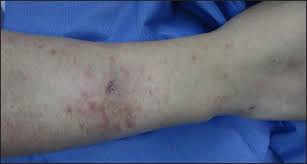
A rash can occur during mono, and certain antibiotics, particularly amoxicillin or ampicillin, can be associated with a rash when given during the illness. The timing of the rash relative to symptoms and medicines helps clinicians interpret it. Skin appearance alone cannot distinguish an EBV-related eruption from other infections, drug reactions or unrelated skin conditions. A photograph also cannot establish whether a medicine caused the changes. Report a new medication-associated rash to the prescribing clinician rather than testing the medicine again at home. A rash during mono does not by itself settle whether someone has a lasting penicillin allergy; that question may need separate assessment. Severe skin symptoms or signs of a serious allergic reaction require urgent care. [8]
When symptoms need urgent medical help
Severe breathing difficulty, an inability to swallow saliva, drooling with swallowing difficulty or severe throat symptoms that are getting worse quickly require emergency assessment. These signs should not be watched at home simply because mono has already been diagnosed. Trouble drinking can also become urgent before there is a complete inability to swallow. Dehydration and airway problems need assessment of the person, not just another infection test. Contact local emergency services for severe breathing or swallowing problems, and follow their instructions. A sore throat with a weakened immune system, a very high temperature or worsening dehydration warrants prompt clinical advice. [9]
The spleen explains an important safety restriction
The spleen sits in the upper left part of the abdomen and can enlarge during mononucleosis. An enlarged spleen is more vulnerable to injury, and a rupture can cause dangerous internal bleeding. Warning symptoms can include pain in the upper left abdomen or pain referred to the left shoulder, sometimes with dizziness or confusion. Severe abdominal pain or faintness during or after mono needs emergency assessment, even without an obvious collision. A person cannot reliably judge spleen safety from how energetic they feel or from pressing on their abdomen. This is why advice about sport and heavy exertion must be treated separately from relief of throat symptoms. Decisions about activity require clinical guidance rather than a home check. [10]
How clinicians assess possible EBV infection
Assessment begins with the history and a physical examination. A clinician may ask when fever, throat pain, fatigue and gland swelling started; whether symptoms are improving; and what medicines have been taken. Examination may include the throat, lymph nodes and abdomen. The purpose is to evaluate severity and consider explanations that would change treatment, not simply to attach a viral label. Some typical cases can be recognized clinically, while unusual presentations or uncertainty may justify blood tests. The choice of investigation depends on the question being asked. Testing for a recent infection, assessing a complication and investigating months of fatigue are different tasks, even if EBV appears somewhere in each person’s medical history. [11]
Other viruses can produce a similar illness
Cytomegalovirus, or CMV, is another common virus that can sometimes cause a mononucleosis-like illness. Fever, fatigue, sore throat and swollen glands can overlap with EBV symptoms, although many people with CMV have no noticeable illness. CMV and EBV are distinct infections, so evidence of exposure to one does not confirm infection with the other. This distinction can matter particularly during pregnancy or when immunity is weakened, because CMV has its own clinical implications. A clinician decides which tests are useful from the history and examination rather than ordering every possible viral panel. Similar symptoms should prompt careful interpretation of results, not the assumption that different virus names are interchangeable descriptions of the same condition. [12]
Strep throat requires a different treatment decision
Group A streptococcal infection can also cause a painful throat, and clinicians may use a throat swab when strep is suspected. A rapid test and a throat culture look for bacteria; they do not establish EBV infection. Confirmed strep throat can require antibiotics, whereas antibiotics do not treat the virus responsible for mono. This difference is one reason not to use leftover antibiotics for a new sore throat. A positive strep result also needs clinical context because some people carry the bacteria without them causing the current illness. The clinician interprets the result alongside symptoms and decides whether bacterial treatment is appropriate. Advice about medicine choice should account for a possible concurrent mononucleosis diagnosis. [13]
Exposure history can change which tests are needed
A mono-like illness is not specific enough to identify its cause from symptoms alone. Early HIV infection, for example, may cause fever, sore throat, rash, fatigue and swollen lymph nodes, while some people have no early symptoms. This does not mean that a person with those common symptoms should assume they have HIV. It means that a relevant exposure history belongs in a confidential clinical conversation and may change the testing plan. HIV requires its own tests; an EBV result cannot exclude it. Giving accurate information about possible exposures helps the clinician choose appropriate investigations and interpret their timing. The same principle applies to other medical history: tests should answer a clinical question rather than reinforce an initial guess. [14]
What blood counts can and cannot show
A complete blood count, also called a full blood count, measures different blood cells. White cells are involved in immune defence, red cells carry oxygen and platelets help blood clot. A differential count gives more detail about white-cell types. These measurements can help a clinician assess an illness or investigate a complication, but an abnormal result is not specific to one virus. A high white-cell count, for example, can have several explanations. Results are interpreted with symptoms, medical history and other investigations. A flagged number should therefore not be read as a standalone EBV diagnosis or a prediction of severity. Likewise, a blood count cannot replace the separate antibody tests used to investigate EBV exposure. [15]
The Monospot test has important limitations
The Monospot, or heterophile antibody test, looks for a type of antibody response associated with mononucleosis rather than detecting EBV directly. Results can be misleading: a negative result may occur early in the illness, and false negatives are particularly relevant in young children. A positive result can also occur for reasons other than EBV. These limitations are why a result must be read alongside the clinical assessment and why an EBV-specific antibody panel may sometimes be needed. Testing very early and treating one negative screening result as a final answer can miss an evolving illness. The laboratory name matters, because a rapid mono screen and a panel of named EBV antibodies are not equivalent investigations. [16]
EBV antibodies describe patterns, not just positive numbers
EBV-specific testing commonly examines antibodies to viral capsid antigen, abbreviated VCA, and EBV nuclear antigen, abbreviated EBNA. VCA IgM generally appears early, while VCA IgG can persist for life. EBNA antibodies usually develop later. VCA IgM without EBNA can support a recent primary infection; VCA IgG and EBNA antibodies together commonly indicate past infection. Timing and the test method still matter. A high IgG value alone does not prove recent infection, symptomatic reactivation or a need for treatment. The CDC also advises against general use of Monospot because it can produce misleading results and does not confirm EBV infection. [17]
Early antigen and unclear results need careful interpretation
The name early antigen can make an EA antibody result sound like a direct measurement of active disease. It is not that simple. EA antibodies can remain detectable in people who feel well, and a result associated with reactivation does not establish that reactivation explains current symptoms. Laboratories may also report borderline, indeterminate or apparently conflicting antibody combinations. In these situations, the clinician considers the timing of illness, the precise assay and whether a repeat or different test would resolve uncertainty. [18] Comparing isolated numbers from different laboratories can be particularly unhelpful when methods and reference ranges differ. [38] The useful conclusion is an interpreted pattern with its limitations, rather than a self-assigned stage based on whichever result is highest. [18]
PCR and viral load have a different role
A polymerase chain reaction test, usually called PCR, detects EBV genetic material. A quantitative test estimates the amount of viral DNA in a particular specimen. This is different from an antibody test, which measures the immune response. Viral-load testing can be useful in selected settings, especially when specialists are monitoring people with impaired immunity or investigating particular EBV-related disorders. It is not a universal explanation for unexplained fatigue, and a detectable result is not automatically proof of symptomatic disease. Interpretation depends on the specimen, assay, clinical situation and sometimes the trend across repeated samples. Results from different specimen types or testing methods should not be treated as directly interchangeable measurements of one person’s condition. [19]
Supportive care includes watching hydration
When a painful throat makes drinking difficult, dehydration can become a practical problem. Thirst, a dry mouth, darker urine and passing urine less often can be warning signs. Small, frequent drinks may be easier to manage than a large amount at once, but an inability to take enough fluid requires clinical advice. Dizziness that persists when standing, unusual drowsiness or signs of serious deterioration need urgent assessment. Children and people who depend on someone else for drinks require particular attention. Hydration is supportive care; it does not remove EBV from the body. The aim is to maintain essential intake while the illness improves and recognize when home support is no longer sufficient for the person’s condition. [20]
Pain and fever medicines still need a safety check
Over-the-counter does not mean a medicine suits every person or every illness. Acetaminophen, also called paracetamol, appears in many products, including combination cold and flu remedies. Taking several products without checking their active ingredients can unintentionally duplicate it and harm the liver. Product labels and professional advice matter, particularly when there is liver disease or uncertainty about other medicines. A pharmacist or clinician can check the complete medication list, including supplements, and explain which products are appropriate. Age-appropriate formulations are also important for children. Symptom relief should not be used to hide a deterioration or to make strenuous activity possible. Persistent pain or fever needs review rather than repeatedly adding new products to the same regimen. [21]
Why antibiotics, steroids and antivirals are not routine treatment
Uncomplicated infectious mononucleosis is generally managed with supportive care. Antibiotics act against bacteria and do not treat EBV itself, although a separate bacterial infection may require treatment. Corticosteroids and antiviral medicines are not routinely recommended for uncomplicated mono. A clinician may use a corticosteroid for a specific serious complication, such as threatened airway obstruction; that is different from prescribing it simply to shorten ordinary tiredness or throat discomfort. Hospital treatment may be needed when swallowing, hydration or other complications cannot be managed safely at home. Prescription choices depend on the complication and clinical setting. Treatment offered to a transplant recipient or someone with an unusual EBV-related disorder should not be copied as a routine mono regimen. [22]
Liver involvement changes recovery advice
Mononucleosis can affect the liver as well as the throat and lymph nodes. This is one reason clinicians may discuss alcohol and review medicines during recovery. Ireland’s Health Service Executive advises avoiding alcohol during glandular fever and asking a doctor when it is appropriate to resume. Feeling less tired does not independently establish that liver involvement has resolved. If blood tests or symptoms have raised concern, follow-up should address that concern directly rather than rely on a general recovery timetable. Mention alcohol use honestly so that advice is realistic, and include nonprescription products in the medication review. An individual plan is more useful than assuming that everyone with mono needs exactly the same duration of restrictions. [23]
Treat supplement claims as claims that need evidence
Products advertised for immune support can sound reassuring during a long recovery, but that wording does not establish that they treat an infection. Evidence differs substantially between supplements, and products sold online may not match those studied in clinical research. Supplements can also interact with medicines or cause adverse effects, including liver injury. A claim that a product clears EBV needs reliable human evidence for that specific outcome, not testimonials or a general claim about immunity. Discuss any proposed supplement with a qualified health professional, especially when the liver is affected or other medicines are being taken. Give the clinician the actual product name and ingredients rather than assuming that a natural label is enough to establish safety. [24]
Returning to sport requires individual clinical guidance
Return to activity after mono has to account for the spleen as well as symptoms. Contact, collisions, falls, heavy lifting and strenuous exertion can create different risks. A sports clinician considers the illness history, current condition and the demands of the activity. Imaging is not a universal shortcut to clearance because normal spleen size varies between people and measurements have limitations. Follow the treating clinician’s plan for both the initial restriction and the later return. School attendance, gentle daily activity, training and competition are separate decisions, so clearance for one should not be assumed to cover all the others. [25]
School and work can resume before stamina is fully restored
For ordinary school or work, NHS guidance allows return once a person starts to feel better. That does not necessarily mean returning immediately to a full workload, physical education or strenuous employment. The practical plan should reflect the tasks involved and the person’s recovery, with help from the treating clinician when restrictions or documentation are needed. EBV can still be passed through saliva after symptoms improve, so avoiding shared cups and utensils remains sensible. Waiting for a test to declare complete absence of the virus is not the usual basis for attendance. Explain ongoing tiredness and any activity restrictions clearly to the relevant school or workplace contact so that improvement is not mistaken for unrestricted physical readiness. [26]
Persistent fatigue deserves a fresh assessment
Ongoing fatigue deserves attention even when routine tests are normal. Assessment may review sleep, medicines, daily function, the illness timeline and symptoms that suggest another condition. Clinicians may investigate problems such as anaemia, thyroid disease or other causes according to the findings; the same broad panel is not necessary for everyone. Extensive testing without a clinical reason can generate false positives and confusion. A previous EBV infection should therefore be part of the history, not the endpoint of investigation. A person can also have more than one contributing condition. The aim is to identify treatable problems, describe the functional impact accurately and develop a follow-up plan, rather than dismissing the symptoms or attributing every difficulty to persistent viral activity. [27]
Post-exertional malaise needs a different activity discussion
Some people with a prolonged illness experience post-exertional malaise: symptoms worsen after physical or mental activity, sometimes with a delay. This pattern is important in myalgic encephalomyelitis/chronic fatigue syndrome, or ME/CFS, and should be described to a clinician rather than treated as ordinary deconditioning. It does not by itself prove that EBV is actively replicating. For people with ME/CFS, pushing through symptoms or following standard exercise advice for healthy people can be harmful. Activity management is individualized and aims to stay within tolerable limits. A brief record of activities and delayed symptoms may make the pattern clearer during assessment. This is separate from the spleen-related restrictions in acute mono, although both may affect a person’s daily choices. [28]
EBV needs different attention when immunity is weakened
EBV-related illness can be more complicated when immune defences are impaired. The clinical context includes immune conditions and treatments that suppress immunity, rather than simply a person’s impression that they often catch colds. EBV has been associated with disorders affecting blood cells, the nervous system and other organs, as well as certain cancers. Such possibilities require targeted investigation in the appropriate setting. Someone receiving specialist treatment should report new fever, swollen glands or other concerning changes through their existing care team, which knows their individual risks and monitoring plan. Generic advice for otherwise healthy people with uncomplicated mono may not apply. A positive EBV test still needs interpretation, but the threshold and purpose for investigation can be different. [29]
Transplant-related monitoring is not routine mono testing
After transplantation, medicines that prevent rejection also alter immune control of infections. One possible complication is post-transplant lymphoproliferative disorder, often shortened to PTLD. EBV is involved in many, but not all, cases. Transplant teams assess this risk and may use EBV monitoring as part of a wider clinical plan. A viral-load result can guide further assessment, but it does not by itself diagnose PTLD. Symptoms, imaging and tissue testing may be relevant depending on the situation. Do not change anti-rejection medicines because of an online interpretation of an EBV result; those decisions balance important competing risks. The monitoring schedule and response belong with the transplant team, and they should explain what changes need prompt contact. [30]
Chronic active EBV is a rare, specific disease
Chronic active EBV disease is not another name for being tired for months after mono. It is a rare and potentially severe disorder involving persistent illness and abnormal EBV-infected cells, with possible organ involvement. Specialist diagnostic criteria require more than prolonged symptoms or high antibody levels. Updated guidance emphasizes evidence of increased EBV DNA and identification of EBV-infected T or natural killer cells, together with the clinical pattern and exclusion of other explanations. Persistent fever, substantial gland or organ enlargement and abnormal blood findings may prompt a different work-up from isolated fatigue. Treatment and prognosis depend on specialist assessment; a routine positive IgG result cannot establish this diagnosis. [31]
EBV and cancer: a cause in some diseases, not a prediction
EBV contributes to some cancers, including certain lymphomas and nasopharyngeal cancers. The association is medically important, but its meaning must be kept in proportion: EBV infection is extremely common, and most infected people do not develop these diseases. A past-infection antibody result is therefore not a cancer diagnosis or a forecast that cancer will occur. When a specific cancer is suspected, clinicians use the relevant clinical investigations rather than interpreting a routine EBV antibody panel as a screening result. The biological role of a virus in particular tumours is a different question from the risk faced by one otherwise well person. Persistent or unexplained symptoms should be assessed on their own merits, without assuming either cancer or harmless reactivation. [32]
What the multiple sclerosis research does and does not show
Research strongly supports an important role for EBV in multiple sclerosis, or MS. A large study using stored blood samples from United States military personnel found that EBV infection preceded MS and was associated with a marked increase in subsequent risk. This helps scientists investigate causation and possible prevention strategies. It does not mean that most people with EBV will develop MS: the great majority will not. Nor can an ordinary positive EBV antibody test diagnose MS, explain a person’s neurological symptoms or tell them their individual future risk. Research findings about a population and clinical decisions for an individual need different kinds of evidence. New neurological symptoms deserve appropriate medical assessment rather than interpretation through an EBV result alone. [33]
Autoimmune associations are not one explanation for every symptom
Researchers also study how EBV might contribute to autoimmune diseases such as lupus. Laboratory and genetic work has shown that viral proteins can interact with regions involved in regulation of human genes, offering possible mechanisms for disease in susceptible people. These findings help explain why EBV attracts scientific interest, but they do not make the virus the only factor in autoimmunity. They also do not establish that a particular person’s joint pain, rash or fatigue is caused by EBV. Mechanistic research, a statistical association and a validated treatment are separate stages of evidence. A disease-specific assessment remains necessary when autoimmune illness is suspected, and an appealing theory about the virus should not replace that assessment. [34]
Prevention and vaccine research
CDC guidance checked for this update lists no available vaccine to prevent EBV infection. [1] Preventing a widespread virus that can be shed without obvious illness is difficult. Research into EBV vaccines aims to reduce infection or its consequences, but an investigational vaccine is not the same as an approved preventive option. The NIH has described early-stage trials designed to evaluate candidate vaccine safety and immune responses. Those questions must be answered before claims can be made about preventing mono, cancer or autoimmune disease. When reading vaccine news, distinguish a laboratory result, an early human study and demonstrated clinical protection. The practical prevention measures currently discussed in routine EBV guidance remain focused on limiting saliva exposure. [35]
Prepare useful questions for a medical visit
Bring a concise account of when symptoms began, what has changed and which everyday activities have become difficult. Include the names of medicines and supplements, any rash after treatment and copies of earlier test reports if they are available. Ask what each proposed test is meant to establish and how its result would change care. If recovery or restrictions are uncertain, clarify the follow-up plan and which symptoms require earlier contact. It can help to write down the questions that matter most before the appointment or have a trusted person help remember the discussion. The goal is a shared understanding of the diagnosis, uncertainty and next steps, with instructions that are clear enough to use outside the consultation. [36]
Further learning
For background biology, explore SlyAcademy’s biology flashcards or review how DNA and RNA are structured. These study resources provide background learning, not diagnostic guidance.
The original Armando Hasudungan video, published 27 May 2019, is retained as a historical educational overview. Current testing and management guidance in this article takes precedence. The full video has not been reviewed for this update. [37]
Frequently asked questions
Is EBV the same as mononucleosis?
No. EBV is a virus. Mononucleosis is an illness commonly caused by EBV, but other infections can cause it. [2]
Does EBV stay in the body?
Yes. EBV remains latent after infection. Later reactivation can occur without symptoms and does not automatically mean a new illness. [4]
Does a high EBV IgG result mean active infection?
No. IgG can remain elevated after past infection. Interpretation requires the full antibody pattern, symptoms and clinical context. [17]
Which throat symptoms need emergency help?
Severe breathing difficulty, inability to swallow saliva or severe throat symptoms that are getting worse quickly need emergency assessment. Contact local emergency services. [9]
When can someone return to sport after mono?
Return requires individual clinical guidance. Feeling better or reaching a particular date does not establish that the spleen is safe. [25]
Is prolonged fatigue the same as chronic active EBV?
No. Chronic active EBV is a rare, specific disorder requiring specialist clinical and virological evidence. Fatigue alone does not diagnose it. [31]
This article provides general education. A qualified clinician can assess symptoms, interpret test results and advise on individual treatment or activity restrictions.
Sources
Sources checked on 7 October 2026. Publication dates vary; historical research is described as research. The video is a retained supplementary resource, not the basis for clinical recommendations.
- CDC: About Epstein–Barr Virus
- CDC: About Infectious Mononucleosis
- World Health Organization: Mononucleosis (glandular fever)
- Johns Hopkins Medicine: Infectious Mononucleosis
- Mayo Clinic: Mononucleosis: Symptoms and causes
- NHS Greater Glasgow and Clyde: Epstein–Barr virus guidance, paediatrics
- MedlinePlus / A.D.A.M.: Mononucleosis
- DermNet: Infectious mononucleosis
- NHS: Sore throat
- Mayo Clinic: Ruptured spleen: Symptoms and causes
- Mayo Clinic: Mononucleosis: Diagnosis and treatment
- CDC: About Cytomegalovirus
- CDC: Testing for Strep Throat or Scarlet Fever
- HIV.gov: Symptoms of HIV
- MedlinePlus: Complete Blood Count
- MedlinePlus: Mononucleosis (Mono) Tests
- CDC: Laboratory Testing for Epstein–Barr Virus
- ARUP Consult: Epstein–Barr Virus
- Mayo Clinic Laboratories: EBV DNA Detection and Quantification, Plasma
- NHS: Dehydration
- FDA: Acetaminophen
- American Academy of Family Physicians: Infectious Mononucleosis: Rapid Evidence Review
- Health Service Executive, Ireland: Glandular fever
- NCCIH: Using Dietary Supplements Wisely
- American Medical Society for Sports Medicine: Choosing Wisely: Athletes with Infectious Mononucleosis
- NHS: Glandular fever
- CDC: Evaluation of ME/CFS
- CDC: Manage ME/CFS
- CDC: Clinical Overview of Epstein–Barr Virus
- Newcastle Hospitals NHS: Post-transplant lymphoproliferative disease
- Kawada and colleagues: Updated guidelines for chronic active Epstein–Barr virus disease
- National Cancer Institute: Infectious Agents
- NIH: Study suggests Epstein–Barr virus may cause multiple sclerosis
- NIH: Epstein–Barr virus and autoimmune diseases
- NIH: NIH launches clinical trial of Epstein–Barr virus vaccine
- NIH: How To Prepare for a Doctor’s Appointment
- Armando Hasudungan: Epstein Barr Virus and Infectious Mononucleosis (pathophysiology, investigations and treatment)
- ARUP Laboratories: Epstein–Barr Virus Antibody to Early (D) Antigen, IgG