

This guide explains the different forms of diverticular disease, the symptoms that need urgent attention, and how clinicians approach testing, food choices and treatment. It is general adult education and does not replace an individual assessment.
Understanding the names
Diverticulosis means that small outward pouches have formed in the wall of the colon. One pouch is a diverticulum; several are diverticula. They are common with increasing age, and most people who have them never develop related symptoms. Diverticulitis means that one or more pouches have become inflamed. Diverticular disease describes problems associated with these pouches, including ongoing symptoms, bleeding or diverticulitis. The names sound similar, but they do not describe the same situation. Finding pouches during an unrelated test does not automatically mean that someone has an infection or needs treatment. Understanding which term appears in your report is the starting point for understanding the advice you receive. [1]
The colon is part of the large intestine, farther along the digestive tract than the stomach and small intestine. The large intestine absorbs water and helps turn the remaining waste into stool. Muscular movements push that stool toward the rectum, where it is stored before a bowel movement. Nerves and other signals coordinate this process. This background helps explain why clinicians ask about both abdominal discomfort and changes in stool. An abdominal symptom can come from several organs, so its location alone cannot provide a diagnosis. [2]
| Term | What it describes | Practical meaning |
|---|---|---|
| Diverticulosis | Pouches without related symptoms | Usually no specific treatment [4] |
| Diverticulitis | Inflammation involving diverticula | Assessment determines severity and treatment [14] |
| Diverticular bleeding | Bleeding from a vessel in a pouch | Can be painless; needs assessment [23] |
Why diverticula develop and what an incidental finding means
There is no single proven explanation for every case of diverticular disease. Researchers are studying inherited susceptibility, the structure and movement of the bowel, immune responses and the community of microorganisms in the intestine. A family history can be relevant, but it does not make an episode inevitable. Smoking, low physical activity, obesity, some medicines, and dietary patterns low in fiber and high in red meat are associated with diverticulitis or its complications. These are risk associations, not a way to identify the cause of one person’s pain. [3]
If diverticula are found and are causing no symptoms, specific treatment is usually unnecessary. The useful next steps are learning the warning signs and maintaining a balanced diet and healthy everyday habits. Antibiotics are not a treatment for the mere presence of pouches. In UK guidance, the term diverticular disease is often used more narrowly for symptoms such as mild abdominal pain associated with diverticula, without the general illness of acute diverticulitis. That difference in terminology can make two leaflets seem inconsistent. Ask whether your clinician is describing an incidental finding, persistent symptoms without acute inflammation, or an actual inflammatory episode. The distinction changes the treatment discussion. [4]
Recognizing symptoms without self-diagnosing
Bloating, abdominal discomfort, constipation and diarrhea are not specific to diverticular disease. Irritable bowel syndrome, or IBS, can produce a similar combination, including pain related to bowel movements and changes in stool frequency or consistency. IBS involves altered interactions between the gut and brain and can make normal amounts of gas or stool feel painful. It does not itself damage the digestive tract. Having diverticula does not prove that they explain every digestive symptom, and having symptoms that resemble IBS does not establish that diagnosis either. Describe the pattern, duration and effect on daily life to a clinician so that persistent symptoms receive an appropriate assessment. [5]
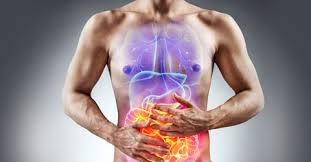
Acute diverticulitis commonly produces persistent pain in the lower left abdomen, although some people have pain on the right. Fever, feeling shivery, nausea and a change in bowel habits can occur. Pain may be severe and constant. Seek urgent medical assessment for worsening or persistent abdominal pain, fever with abdominal symptoms, blood or mucus in stool, or repeated vomiting that prevents you keeping fluids down. Do not wait for every typical symptom to appear. Severe abdominal pain accompanied by vomiting, a swollen abdomen, or inability to pass stool or gas needs emergency assessment. A previous diagnosis should not be used to dismiss a new or different episode. [6]
When to seek emergency help
Sepsis is a dangerous response to infection that can develop quickly. New confusion, difficulty breathing or very fast breathing, and blue, grey, unusually pale or blotchy skin are emergency warning signs. A person may feel extremely unwell, shiver uncontrollably or pass very little urine. A high temperature is not essential, and older adults may not develop a marked fever. If these symptoms occur, call your local emergency number or obtain emergency care immediately. Tell the responder about the abdominal symptoms, recent treatment and relevant medical conditions. Do not wait for a routine appointment or a reply to an online message. [7]
Significant bleeding also requires prompt action even when the abdomen does not hurt. Red or dark blood in stool, black tarry stool, dizziness, fainting, breathlessness or unusual weakness can signal gastrointestinal bleeding. Heavy or ongoing bleeding, or bleeding with collapse, confusion or signs of shock, requires emergency care. Black stool can have more than one explanation, but it should not be assumed to be harmless without assessment. Small amounts of bleeding still deserve medical advice because there are several possible causes. The color and amount are useful details to report, but neither can reliably identify the bleeding source at home. [8]
How clinicians investigate suspected diverticular disease
Assessment starts with the story of the illness. A clinician asks when pain began, whether it is changing, what bowel movements have been like, and whether there has been vomiting or bleeding. Previous episodes, earlier colonoscopy results, other conditions and a complete medication list help put the symptoms in context. Examination may include temperature, pulse and blood pressure, checking abdominal tenderness, and sometimes a rectal examination. Blood tests, stool tests or imaging are chosen according to the clinical question. Not everyone needs every test. [9]
A CT scan of the abdomen and pelvis provides detailed pictures of the bowel and surrounding tissues. It can help investigate abdominal pain, identify diverticulitis or an abscess, and assess other possible causes. That wider view matters because a symptom pattern that sounds familiar can still arise from a different condition. During the examination, the scanner takes images that a radiologist interprets and reports to the treating clinician. Some people need additional imaging to clarify a finding or assess change over time. The decision should be based on the current problem and earlier results, rather than an assumption that every future episode always needs the same scan. [10]
Some scans use a contrast material to make particular organs or blood vessels easier to see. Depending on the examination, contrast can be given through a vein or by another route. It is different from a medicine used to treat diverticulitis. Before imaging, explain any previous reaction to contrast, kidney problems, relevant medicines and the possibility of pregnancy to the team. They can choose an appropriate examination and preparation. Follow the department’s instructions about eating, drinking and medicines rather than borrowing preparation advice from someone else’s scan. [11]
An inflammatory blood test is only one part of the picture. C-reactive protein, usually shortened to CRP, is made by the liver and rises with inflammation from many possible causes. A high result does not identify the bowel as the source or prove that antibiotics are needed. Clinicians interpret it alongside symptoms, examination findings and other tests, and sometimes follow how it changes. Ask what the result means in your case and whether any repeat test is planned, especially if symptoms are changing despite treatment. [12]
Treatment depends on severity and individual risk
Uncomplicated diverticulitis generally means that inflammation is localized without a major complication such as an abscess, obstruction or fistula. Many patients with uncomplicated disease can be treated outside hospital after clinical assessment. That is a decision about the whole situation, including whether someone can drink, manage symptoms and obtain follow-up. An outpatient plan should be clear about how to get help if recovery does not progress. Hospital care may be needed when illness is more severe or support at home is insufficient. Being sent home does not mean the symptoms were unimportant; it means the team judged outpatient care appropriate with the agreed monitoring and return precautions. [13]
Antibiotics are now used selectively for acute uncomplicated diverticulitis. Current surgical guidance allows clinicians to initially manage suitable immunocompetent outpatients without them. Immunocompetent means that the immune system is not significantly weakened. This approach requires careful assessment and reliable follow-up; it is not a reason to ignore new pain or stop a prescription yourself. Antibiotics remain important for complicated disease and people at higher risk, including those who are immunocompromised or have concerning clinical or imaging findings. Ongoing vomiting, symptoms that are not improving and other health problems may influence that judgment. A clinician should explain why antibiotics are or are not part of your particular plan. [14]
When antibiotics are needed, their benefits must be weighed against possible harms. They can cause nausea, diarrhea, rashes and other adverse effects. Severe diarrhea during or after antibiotics needs prompt medical attention because it can sometimes reflect Clostridioides difficile infection. Severe allergic reactions also require emergency treatment. Report side effects to the prescribing team rather than quietly abandoning treatment or switching to a leftover medicine. The existence of side effects does not mean an indicated antibiotic should be avoided. It helps explain why prescribing is individualized and why unnecessary treatment is discouraged. [15]
Pain medicine also deserves a review. Non-steroidal anti-inflammatory drugs, or NSAIDs, include ibuprofen and naproxen. These medicines can cause digestive bleeding and kidney problems and can interact with anticoagulants, steroids and other medicines. Tell the clinician about products bought without a prescription, including combination cold or pain remedies. Ask which pain relief fits your health history rather than assuming that a familiar over-the-counter product is suitable during abdominal illness. Do not add a second NSAID because the first has not helped. Worsening pain needs reassessment, not simply stronger self-medication. Prescribed long-term medicines should be discussed with the prescriber before any change. [16]
Eating during an acute episode and early recovery
Food advice during acute diverticulitis is different from long-term prevention advice. A clinician may suggest a short period of clear liquids or a temporary lower-fiber diet, depending on symptoms and severity. Clear liquids can include water and clear broth, but they do not provide complete nutrition for prolonged use. As symptoms improve, food is usually reintroduced according to the treatment plan and tolerance. There is no single menu or rigid timetable that is right for everyone. Do not begin a prolonged liquid diet to manage unassessed severe pain. If you cannot drink, keep vomiting or become worse, seek medical assessment instead of trying another dietary restriction. [17]
Before leaving hospital or an urgent-care service, make sure the eating plan includes the next step. Ask which foods can be reintroduced, how to recognize improvement, and who will review you if eating remains difficult. Follow-up tests or appointments should also be written down. Recovery should show a useful trend, even though the exact pace varies. Contact the treating team if symptoms do not improve as expected or start worsening. Temporary advice to reduce certain high-fiber foods during an episode should not be carried on indefinitely without review. Once you are better, the team may recommend gradually returning to a more varied, fiber-containing diet. [18]
A practical long-term eating pattern
After acute illness has settled, a diet containing a variety of fiber-rich foods is commonly recommended. Fiber can come from whole grains, vegetables, fruit, beans and other pulses. There is no routine need to exclude nuts or seeds. Make fiber changes gradually so the bowel can adjust. Research links higher fiber intake and lower red-meat intake with a lower risk of diverticulitis, but diet cannot guarantee that an episode will never happen. A dietitian can help adapt the approach to your usual foods, preferences and other medical needs. Read the fiber information on food labels when comparing products, and consider the portion you actually eat. [19]
Small changes are often easier to maintain than a sudden complete overhaul. Outside an acute episode, examples include choosing a wholegrain breakfast cereal, using wholemeal bread, adding beans to a familiar meal, or including vegetables alongside lunch and dinner. Fruit, potatoes with their skins and unsalted nuts can also contribute fiber when they suit your diet. Using several food groups provides more variety than relying on one bran product. If your usual intake is low, it is reasonable to work toward improvement in stages rather than trying to reach a dietary target overnight. [20]
The right long-term plan also needs to account for tolerance. A large sudden increase in fiber can be uncomfortable, and a dietitian may suggest adjusting the amount or type of food rather than removing whole food groups permanently. During persistent symptoms, a temporary change may sometimes be appropriate after clinical review, with a plan to reintroduce foods when possible. A brief record of meals, stool changes and symptoms can make that conversation more useful. It should support assessment, not become a list of increasingly strict bans. If eating becomes very limited or symptoms persist despite changes, ask for help instead of continuing to narrow the diet alone. [21]
The old warning about nuts and popcorn came from an idea that food particles might injure or become trapped in a pouch. A large study followed men over many years and did not find that eating nuts, corn or popcorn increased diverticular complications. This was an observational study, so it cannot promise that any food will prevent illness or predict one person’s experience. It also did not directly test every type of seed. Its value is in challenging a blanket food restriction that had little supporting evidence. Modern dietary advice considers the overall eating pattern rather than assuming that small food particles are dangerous. [40]
Regular fluid intake supports everyday hydration. Water is an inexpensive option, and other drinks and some foods also contribute fluid. Needs vary with activity, weather and illness, so a fixed number of glasses is only a general guide. Drinking at regular points in the day may be easier than trying to catch up in the evening. Choose lower-sugar drinks where possible and notice if nausea or illness prevents your usual intake. People who have been given an individualized fluid restriction should follow that plan and ask their team how it applies during recovery. Persistent inability to keep fluids down needs medical help, not just a different drink. [22]
Diverticular bleeding is a separate problem
A small blood vessel associated with a diverticulum can bleed even when the pouch is not acutely inflamed. Diverticular bleeding is often painless, so the absence of cramping does not make blood in stool safe to ignore. Although some bleeding stops, the cause and severity still need assessment, particularly if bleeding is substantial or returns. Tell the team about aspirin and other medicines that affect bleeding. Aspirin prescribed for heart or blood-vessel protection should not be stopped without medical advice. The clinician must balance the reason it was prescribed against the current bleeding concern. Treating a bleed and treating diverticulitis are related topics, but they require different decisions. [23]
During an assessment for bleeding, clinicians check circulation and look for evidence of blood loss. Blood tests can help identify anemia, while a careful history includes previous bleeding and all medicines taken. Endoscopy or imaging may be used to locate the source. Sometimes a colonoscopy can diagnose and treat bleeding during the same procedure. This is a different situation from arranging a routine colonoscopy after recovery from acute inflammation. The team chooses the order and timing of tests according to stability and the suspected cause. Let them know if bleeding has stopped and restarted, but do not assume that a temporary pause means the problem has been resolved. [24]
Treatment for gastrointestinal bleeding depends on its location, cause and severity. During endoscopy, a clinician can use tools to close a bleeding vessel or apply other treatments directly to the bleeding site. Another option is a procedure through the blood vessels, allowing a radiology team to deliver treatment to the relevant area. Surgery is sometimes needed when severe bleeding cannot be controlled by other methods. These are hospital decisions rather than home treatments. Afterward, a medication review may reduce future risk where possible. Ask what was found and what to do if bleeding returns. [25]
Understanding the main complications
A perforation is a hole in the bowel wall. Some leaks stay contained; others spread contamination and cause serious illness. A stricture is a narrowed bowel segment that can obstruct passage. Imaging helps the team judge severity and treatment. [14]
An abscess is a collection of infected fluid or pus near the inflamed bowel. Antibiotics are usually needed, and some collections also require drainage. In suitable cases, imaging guides a tube through the skin into the collection so it can drain without a large operation. Whether that is possible depends on the abscess’s position, size and the person’s condition. A collection that cannot be safely reached, or an illness that continues to worsen, may require another approach. There is no single size rule that patients should use to decide whether treatment is adequate. Ask how the team will check that the infection is responding and when any drain will be reviewed. [26]
Peritonitis is infection or inflammation involving the lining of the abdominal cavity. It can occur when a bowel problem allows infection to spread beyond the affected area. Abdominal pain with a swollen abdomen, rapid heartbeat, feeling very unwell or reduced urine can be concerning. Peritonitis needs hospital treatment, which often includes antibiotics given into a vein and treatment of the underlying problem. It is not something to manage by resting the bowel at home. Because severe abdominal illness can change quickly, a person who deteriorates after an earlier assessment needs to be assessed again. A previous reassuring result does not replace a new examination when the clinical picture has changed. [27]
A fistula is an abnormal connection between body parts. Diverticulitis can sometimes lead to a connection between the colon and another organ, such as the bladder or vagina. Symptoms depend on where the connection goes: examples include passing gas or stool in urine, or gas or stool through the vagina. These are symptoms to report promptly, even if they feel embarrassing. They do not confirm the cause on their own. Imaging and other investigations help define the connection and identify associated infection or nutritional problems. Treatment is planned around the affected organs and the person’s overall health, and may include surgery after appropriate evaluation. [28]
An obstruction is a partial or complete blockage that prevents bowel contents from moving normally. Severe pain or cramping, vomiting, abdominal swelling and inability to pass gas are warning symptoms. A complete obstruction is a medical emergency and may need surgery. It should not be confused with an ordinary episode of constipation or treated by adding large amounts of fiber without assessment. Several conditions can cause an obstruction, so the team needs to establish what is happening before choosing treatment. Seek emergency care for severe pain with vomiting, swelling or inability to pass stool or gas, even if you have had similar bowel problems before. [29]
When surgery becomes part of the discussion
Planned surgery may be discussed when diverticulitis repeatedly disrupts life, symptoms persist, or there has been complicated disease. The choice should be individualized through a discussion of likely benefits, operative risks, recovery demands and personal priorities. Counting episodes alone does not capture how serious they were or how much they affected work, eating and everyday activities. Ask what problem the operation is intended to solve and what symptoms might remain afterward. It is also reasonable to ask what continued nonoperative care would involve. The right decision can differ between two people with similar scan reports because their health, experiences and preferences are different. [30]
If an operation requires bowel diversion, the surgeon creates an opening called a stoma through the abdominal wall. Stool then leaves through that opening into an attached pouch. A colostomy uses the large intestine; an ileostomy uses the small intestine. A stoma may be temporary to allow part of the bowel to recover, or permanent, depending on the situation. Creating a stoma and removing a section of bowel are different parts of a surgical plan, so ask what is actually proposed. If reversal may be possible, it requires a later assessment rather than a guarantee. Information from the surgical and stoma-care teams helps patients prepare for practical daily care. [31]
Colonoscopy after recovery
Follow-up colonoscopy is not automatically required after every uncomplicated episode. Recommendations depend on the severity of the illness, concerning scan findings, ongoing symptoms and whether colorectal cancer screening is up to date. Current gastroenterology guidance recommends examination after complicated diverticulitis and after uncomplicated disease when alarm features or overdue screening justify it. The purpose can be to exclude a different condition that resembles diverticulitis, rather than to assume that diverticula have turned into cancer. Ask the clinician to explain the reason for the recommendation in your case. If a recent high-quality colonoscopy is available, share the report so that it can inform the decision. [32]
When colonoscopy is indicated after acute diverticulitis, it is generally delayed for six to eight weeks or until the acute symptoms have fully resolved, whichever is longer. Alarm symptoms can change that plan. Do not wait for a scheduled procedure if concerning new symptoms develop. [33]
Colonoscopy uses a flexible camera to inspect the lining of the colon and rectum. Bowel preparation is important because stool can hide abnormalities. The endoscopy team gives instructions about diet, laxatives, regular medicines and arrangements after sedation. Follow those instructions exactly, and contact the service if you cannot complete the preparation or do not understand an instruction. Tell them about all medicines and relevant conditions before changing anything. Depending on the examination, the clinician may take tissue samples or remove polyps. Ask when results will be available and whether any laboratory findings will follow later, so that an apparently normal immediate report does not leave follow-up unclear. [34]
Persistent symptoms and living well after an episode
Ongoing abdominal symptoms after diverticulitis deserve an explanation. They do not always mean that infection is still present or that another antibiotic course is needed. Clinicians may investigate for continuing inflammation or another bowel condition using imaging and lower endoscopy. If those investigations do not show diverticulitis, increased bowel sensitivity may be considered. Describe whether the pain ever fully settled, what has changed, and how symptoms affect eating and daily activities. [33]
Many people begin to feel better after treatment, but recovery is not identical for everyone. Some experience further episodes, while others do not. At follow-up, ask which symptoms should prompt a same-day call, whether further bowel investigation is recommended and when normal activities can resume. It helps to bring the discharge summary, scan report if available, and a list of questions rather than relying on memory after a stressful illness. Discuss any fear of eating or leaving home as well as pain. A plan that explains who to contact and what happens next can make recovery more manageable without pretending that recurrence is entirely under your control. [35]
Once your clinical team says activity is appropriate, build movement around your current ability. General adult guidance includes aerobic activity and muscle-strengthening exercise, with activity spread across the week rather than saved for one demanding session. Walking is a practical starting point for many people, and smaller amounts still have health benefits. These are general health goals, not instructions to exercise through acute abdominal pain or immediately after surgery. Recovery plans may need to account for fatigue, other conditions and any surgical restrictions. Choose an activity you can continue comfortably, and ask for advice if you are unsure how to restart after illness. [36]
Long-term symptom management should address the problem actually present. A clinician may discuss food changes, an appropriate fiber supplement or medicines for particular ongoing symptoms. Supplements and products marketed for gut health are not automatically effective for preventing another episode of diverticulitis. Evidence for some approaches remains uncertain, so ask what benefit is expected and how it will be judged. Bring nonprescription products into the medication discussion, including anything bought online. Avoid combining several new products at once without guidance. The useful aim is a plan you understand, can follow and can review if it is not helping, with clear steps for new or worsening symptoms. [37]
Finally, keep new warning symptoms separate from the label of diverticular disease. Persistent changes in bowel habit, unexplained weight loss, ongoing rectal bleeding, unusual tiredness or breathlessness should be assessed. These symptoms have many possible causes and do not automatically mean cancer, but an existing diagnosis is not a reason to overlook them. You should not wait for a routine screening invitation to raise a current symptom. Appropriate review can identify a different treatable problem or confirm that the existing management plan needs adjustment. [38]
Frequently asked questions
Does diverticulosis always become diverticulitis?
No. Most people with diverticula never develop related symptoms or problems. Diverticulitis means that a pouch has become inflamed.
Does every episode of diverticulitis need antibiotics?
No. Clinicians can select suitable uncomplicated cases for care without antibiotics. Higher-risk or complicated illness needs a different plan.
Do I need to avoid nuts and seeds?
Not routinely. Nuts and seeds have not been shown to increase diverticulitis risk. Temporary acute-illness advice and individual allergies are separate considerations.
Can diverticular bleeding happen without pain?
Yes. Diverticular bleeding is often painless. Heavy or ongoing bleeding, or bleeding with faintness or collapse, requires emergency assessment.
Will I need a colonoscopy after diverticulitis?
It depends on disease severity, warning symptoms, imaging findings, recent examinations and cancer-screening status. Ask your clinician about your individual follow-up plan.
Does surgery guarantee that symptoms will disappear?
No. Surgery can reduce recurrence but does not eliminate the risk, and ongoing digestive symptoms may persist. Benefits and risks need an individual discussion.
Sources
Sources checked on 7 October 2026. The 2026 ASCRS and ACG guidance informs current treatment and follow-up discussions. Recommendations still depend on the individual clinical situation.
- NIDDK: Definition and facts for diverticular disease. Reviewed 2021-08.
- NIDDK: Your digestive system and how it works.
- NIDDK: Symptoms and causes of diverticular disease. Reviewed 2021-08.
- NICE: Diverticular disease diagnosis and management recommendations. Latest documented minor update 2025-11.
- NIDDK: Symptoms and causes of irritable bowel syndrome. Reviewed 2017-11.
- NHS: Diverticular disease and diverticulitis. Reviewed; review due September 2026 2023-09-07.
- NHS: Sepsis.
- NIDDK: Symptoms and causes of gastrointestinal bleeding. Reviewed 2024-07.
- NIDDK: Diagnosis of diverticular disease. Reviewed 2021-08.
- American College of Radiology and Radiological Society of North America: Abdominal and pelvic CT.
- American College of Radiology and Radiological Society of North America: Patient safety and contrast material.
- MedlinePlus: C-reactive protein test.
- American College of Physicians: Diagnosis and management of acute left-sided colonic diverticulitis. Published online 2022-01-18.
- American Society of Colon and Rectal Surgeons: The management of left-sided colonic diverticulitis 2026 guideline. Released 2026-10-01.
- Centers for Disease Control and Prevention: Do antibiotics have side effects.
- NHS: Non-steroidal anti-inflammatory drugs. Reviewed 2026-04-28.
- Mayo Clinic: Diverticulitis diet. Published 2024-11-12.
- MedlinePlus: Diverticulitis and diverticulosis discharge.
- NIDDK: Eating diet and nutrition for diverticular disease. Reviewed 2021-08.
- NHS: How to get more fibre into your diet.
- Cambridge University Hospitals NHS Foundation Trust: Dietary management of diverticular disease.
- NHS: Water drinks and hydration.
- American College of Gastroenterology: Diverticulosis and diverticulitis patient information. Updated 2025-04.
- NIDDK: Diagnosis of gastrointestinal bleeding. Reviewed 2024-07.
- NIDDK: Treatment for gastrointestinal bleeding. Reviewed 2024-07.
- American Society of Colon and Rectal Surgeons: Diverticular disease expanded information.
- NHS: Peritonitis.
- NIDDK: Colonic and anorectal fistulas. Reviewed 2019-08.
- MedlinePlus: Intestinal obstruction. Updated 2025-11-17.
- American College of Physicians: Colonoscopy for diagnostic evaluation and interventions to prevent recurrence after acute left-sided colonic diverticulitis. Published online 2022-01-18.
- NIDDK: Definition and facts for ostomy surgery of the bowel. Reviewed 2021-06.
- American College of Gastroenterology: Diagnosis and management of diverticulitis guideline highlights. Guideline listed July 2026 2026-07.
- American Gastroenterological Association: Medical management of colonic diverticulitis clinical practice update. Published online; journal issue February 2021 2020-12-03.
- NIDDK: Colonoscopy.
- American Gastroenterological Association GI Patient Center: Diverticulitis.
- Centers for Disease Control and Prevention: Adult activity an overview. Page date 2023-12-20.
- NIDDK: Treatment for diverticular disease. Reviewed 2021-08.
- NHS: Symptoms of bowel cancer. Reviewed 2026-09-04.
- Armando Hasudungan: Diverticular Disease (diverticulitis) – Overview. Published; title/publisher/date verified by publishing coordinator 2018-01-15.
- Strate and colleagues, JAMA: Nut corn and popcorn consumption and the incidence of diverticular disease. Published 2008-08-27.





