

Acid reflux causes in adults include changes in the barrier between stomach and esophagus, alongside factors that affect symptoms. This guide explains assessment and warning signs.
What acid reflux means
Acid reflux happens when material from the stomach moves upward into the esophagus, the tube carrying food from the mouth. The medical term is gastroesophageal reflux, or GER. An occasional episode does not automatically mean a chronic disease. Gastroesophageal reflux disease, or GERD, develops when reflux repeatedly causes troublesome symptoms or complications. Heartburn describes a burning sensation behind the breastbone; regurgitation means stomach contents coming back toward the throat or mouth. They can occur together, but neither describes every possible presentation. Some people have nausea, swallowing problems or other symptoms. The question is therefore broader than how often burning occurs: clinicians consider the pattern, its effect on daily life, possible injury and whether another condition better explains the problem. [1]
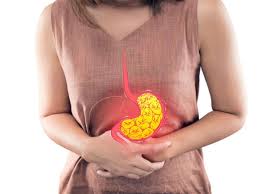
Warning signs change the next step
Chest discomfort cannot be safely identified as reflux by its location, a burning quality or familiarity. A heart attack can feel like indigestion, and warning signs may be mild or come and go. Breathlessness can occur even without chest pain. People may also notice discomfort in the arms, jaw, back or upper abdomen, nausea, sweating or lightheadedness. If symptoms suggest a heart attack, call your local emergency number even if you are unsure. Assessment for dangerous causes comes before an explanation based on reflux. A previous history of heartburn does not make a new episode safe to dismiss. [2]
Blood in vomit may be bright red, dark or resemble coffee grounds. It needs medical assessment because bleeding can come from several conditions in the stomach or esophagus. If vomiting blood occurs with faintness, confusion, rapid breathing, cold clammy skin, abdominal pain or black stool, seek emergency care. Even if it has stopped and there are no other symptoms, obtain urgent medical advice. Do not simply add an antacid and wait for another episode. Tell the assessing team about medicines you take, including painkillers and blood thinners, because this information can change their assessment. Symptoms alone cannot establish where bleeding began or how serious it is. [3]
Food becoming stuck is different from a brief sour taste after a meal. A suspected food blockage needs urgent assessment; being unable to swallow saliva or having breathing difficulty is an emergency. A person who is drooling because saliva will not pass may have complete obstruction even without dramatic pain. The clinical team evaluates breathing and the risk of material entering the airway, then decides how urgently endoscopy is needed. A blockage can reveal an underlying narrowing or other esophageal disorder, so follow-up matters even after the food is removed. Do not use a reflux explanation to postpone help while waiting for food or drink to force a blockage through. [4]
Why the barrier between stomach and esophagus opens
The lower esophageal sphincter is a ring of muscle at the bottom of the esophagus. It normally relaxes for swallowing, then contributes to the barrier against backflow. Reflux can also occur during transient lower esophageal sphincter relaxations, brief openings that are not triggered by swallowing. Foundational pressure-monitoring research showed that reflux does not have one identical mechanism in everybody. Some participants refluxed mainly during these transient relaxations despite a reasonable resting sphincter pressure. Others had a weaker resting barrier, with reflux occurring freely or when abdominal pressure increased. This helps explain why the phrase “a weak valve” is useful shorthand but incomplete. A single pressure measurement cannot describe everything happening across meals, movement and the rest of the day. [5]
The diaphragm, the breathing muscle separating chest and abdomen, also contributes to the reflux barrier where the esophagus passes through it. In a sliding hiatal hernia, the junction and upper stomach move above this opening. The sphincter and the diaphragm can then become separated instead of supporting the same pressure zone. A small physiological study directly mapped this separation and showed altered pressure responses. That provides a mechanical explanation for why a hernia can contribute to reflux, rather than making it simply another name for GERD. The study was small, so its measurements are not a personal risk calculator. Finding a hernia still needs interpretation alongside symptoms and other evidence; anatomy is one part of the assessment, not a complete explanation of every discomfort. [6]
After a meal, newly secreted acid can collect near the top of the stomach above food that has buffered some of the stomach contents. Researchers call this an acid pocket. In a study combining imaging, pressure recordings and reflux measurements, its position helped explain why acid was more likely to reach the esophagus in people with a hiatal hernia. When the pocket lay within the hiatus or above the diaphragm, it was better placed to reflux during a sphincter relaxation. This is a mechanism observed in a small research study, not something a person can identify from taste or pain. It also shows why reflux is not simply a question of the total amount of acid produced: where acidic contents sit relative to the barrier matters. [7]
Clearance, stomach emptying and nonacid reflux
What happens after backflow matters as well as what allows it to start. Normal esophageal muscle waves, called peristalsis, move most refluxed liquid back toward the stomach. Swallowed saliva then helps neutralize acid remaining on the lining. A classic experiment measured these as separate steps: emptying the liquid did not immediately restore a normal acidity level, while subsequent saliva-containing swallows did. The practical idea is that exposure depends on both entry and clearance. Two people with similar numbers of reflux events need not have identical contact times. This physiological research does not provide a home test or justify trying to stimulate saliva as a substitute for treatment. Persistent swallowing symptoms need assessment of the esophagus rather than assumptions about acid alone. [8]
Stomach contents can move upward even when they are only weakly acidic or not acidic. Acid-suppressing medicines change acidity more directly than they prevent every episode of backflow. In a multicenter study of people with symptoms despite proton pump inhibitors, impedance-pH monitoring found that some reported symptoms coincided with nonacid reflux, while many did not coincide with detected reflux at all. These were selected patients referred for testing, so the proportions cannot be applied to everyone with heartburn. The useful lesson is that continued symptoms do not automatically prove that acid treatment is too weak. Regurgitation, reflux that is less acidic, sensitivity and conditions unrelated to reflux can require different explanations. A clinician may use testing to work out which possibility fits. [9]
Delayed stomach emptying can enter the assessment when symptoms include troublesome nausea, vomiting, prolonged fullness or becoming full unusually early. Gastroparesis is a specific disorder requiring objective evidence of delayed emptying without a mechanical blockage. It is not diagnosed merely because a meal seems to sit heavily or heartburn follows eating. The American College of Gastroenterology guideline describes assessment using an appropriate gastric-emptying test after other explanations have been considered. This distinction matters because a stomach-emptying problem and reflux are different clinical questions, even when symptoms overlap. A standard reflux evaluation does not require everyone to undergo every stomach test. The clinician selects investigations according to the symptom pattern, medical history and whether their results would change care. [10]
Factors that can contribute to symptoms
Body weight is one factor associated with reflux symptoms, but it does not determine whether somebody has GERD. In a large study of women, higher body mass index and weight gain were associated with more frequent reflux symptoms, including within the conventional normal-weight range. The study was observational and based on reported symptoms, so it cannot tell an individual exactly why their symptoms occur or prove that changing weight will resolve them. Reflux also occurs in people with lower body weight. A discussion of weight should therefore be practical and respectful, with attention to nutrition, other health needs and feasible support. Body size is neither a diagnosis nor a reason to dismiss symptoms, and unintended weight loss is a warning sign rather than a treatment goal. [11]
Smoking is another relevant exposure, but the benefits of stopping should not be described as a guaranteed reflux cure. The prospective HUNT study found improvement in severe reflux symptoms after smoking cessation in a particular subgroup: people within the normal BMI range who used reflux medicine at least weekly. The same clear association was not seen across every group studied. This illustrates the difference between a population finding and an individual prediction. Tell the clinician about smoking and changes in smoking patterns so it can be considered alongside the rest of the history. If stopping is a goal, support can be included in the care plan. Symptoms that continue after quitting still deserve assessment rather than being treated as evidence that the effort was pointless. [12]
Pregnancy can make reflux more likely through hormonal changes, relaxation of the muscle barrier and pressure from the growing uterus. Symptoms may develop at different stages and are often more noticeable later in pregnancy. A midwife, doctor or pharmacist can help choose suitable measures and check medicines; products appropriate outside pregnancy are not automatically appropriate during it. Smaller meals and avoiding lying down soon after eating can be practical options when tolerated. Report swallowing difficulty, weight loss, persistent symptoms or abdominal pain to the maternity team rather than assuming every new discomfort is ordinary heartburn. If a prescribed medicine seems involved, ask the responsible professional to review it. Do not stop it on your own, since treatment for another condition may remain important. [13]
A medication review can identify contributors to upper digestive symptoms. NICE advises clinicians to consider medicines such as calcium-channel blockers, nitrates, theophylline, bisphosphonates and anti-inflammatory painkillers when assessing dyspepsia. That term covers a broader group of upper abdominal symptoms and is not identical to confirmed acid reflux. Medicines can create different problems, so a temporal association does not establish one shared mechanism. Bring a complete list of prescriptions, nonprescription products and supplements, and mention recent starts or changes. The useful question is whether a medicine could contribute and whether its benefits, timing or alternatives need review. Do not stop prescribed treatment because it appears on a list. A clinician or pharmacist should weigh the suspected effect against why the medicine was prescribed. [14]
Meals and food triggers are individual
Timing may matter even when the food itself is unchanged. In a small randomized crossover study, people with reflux symptoms ate a standardized meal either earlier or closer to bedtime. Lying-down acid exposure was greater after the later meal. However, reported symptom scores did not differ significantly between the study days. This is a useful reminder that an objective change and an immediately noticeable change are not always the same. If symptoms cluster after late meals, discuss whether moving the main meal earlier or leaving more time before lying down is realistic. Work schedules, caregiving and other needs affect what is possible. The study supports looking at timing as one contributor; it does not establish that a single late dinner causes chronic GERD in every person. [15]
Coffee, tea and soda are frequently blamed for heartburn, but evidence should be interpreted carefully. A prospective study in women linked higher intake of these drinks with a greater likelihood of developing frequent reflux symptoms. It was not a trial assigning everyone to drink or avoid them, and symptom reports did not prove the same mechanism in each participant. Caffeine alone did not explain all the observed associations. The finding can support a conversation about patterns in your own symptoms, without turning one drink into a universal cause. If a beverage repeatedly seems troublesome, a limited, practical change can be discussed. Lack of a pattern is also useful information. Avoid treating observational associations as a requirement to eliminate every listed drink permanently. [16]
Research into broader eating patterns is still developing. A randomized trial changed both the amount and type of carbohydrate in the diets of adults with symptomatic GERD and found improvements in some reflux measurements and symptoms with particular changes, including reducing simple sugars. The participants were predominantly older veterans with higher average body mass index, which limits how confidently the results apply to other groups. This does not establish that all carbohydrates cause reflux, that one restrictive diet suits everyone or that familiar foods must be removed wholesale. A balanced plan should consider nutritional needs, affordability and the symptoms it is intended to address. If many foods have become difficult to eat, seek professional help with both symptom assessment and maintaining adequate nutrition. [17]
Why nighttime symptoms can differ
Changing sleeping position can be worth discussing when symptoms are mainly nocturnal. In the IBELGA crossover trial, raising the head of the bed improved reflux symptom scores in patients already receiving medication, but it did not improve the measured quality-of-life outcome. Adverse experiences were also reported, so the study did not establish that every setup is comfortable or suitable. The distinction between a helpful option and a universal solution matters. A stable arrangement that elevates the upper body can be considered with advice appropriate to your mobility, sleep and other health needs. Do not make an unsafe bed modification or assume more pillows necessarily reproduce a studied intervention. Persistent nighttime symptoms still warrant review, particularly when they disrupt sleep despite an agreed treatment plan. [18]
Left-side sleeping is another option with trial evidence for some people with nighttime reflux. A randomized study used a wearable device that encouraged participants to avoid the right side and spend more time on the left. More people in the active group achieved a substantial reduction in nighttime symptom scores than in the comparison group. The study tested a particular training approach, and many participants still did not reach its success threshold. It therefore supports an option rather than a promise. If comfortable and consistent with other medical advice, left-side sleeping may be something to discuss or try. It is not necessary to buy a device to raise the question with your clinician, and positional advice does not explain or exclude other causes of chest symptoms. [19]
Stress, attention and sensitivity affect the experience
People often notice more burning during stressful periods. One randomized laboratory study found that an unpleasant sound-based stressor increased the perception of acid placed in the esophagus in people with GERD. The experiment examined sensitivity to a controlled acid exposure; it did not demonstrate that everyday stress always produces more reflux or causes a hiatal hernia. Its setting and size also limit broad conclusions. The important distinction is between the amount of reflux and how strongly a sensation is experienced. Stress can be relevant without being the sole explanation. Describing a stressful week can help the clinical picture, but it should never be used to bypass assessment of warning signs or to tell a person that their symptoms are imagined. [20]
Attention to sensations can also influence symptom burden. In a study of people with chronic reflux symptoms and normal endoscopy, esophageal hypervigilance and symptom-related anxiety were associated with worse reported symptoms but not with measured acid burden or mucosal integrity. Hypervigilance means an increased focus on bodily sensations and possible threat; it is not a judgment about character or willpower. The study shows an association, not proof that anxiety caused a particular person’s illness. Physical reflux and altered symptom processing can coexist. A useful assessment therefore makes room for both objective testing when indicated and the effect symptoms have on sleep, eating and worry. Addressing these dimensions can broaden care without replacing investigation of a possible physical disorder. [21]
Conditions that can resemble or overlap with reflux
Functional heartburn is one explanation for persistent burning when appropriate investigation does not identify reflux as its cause. The AGA describes an assessment that excludes structural and inflammatory disease, major movement disorders and an abnormal reflux pattern; testing also examines whether reported symptoms coincide with reflux events. This is a positive clinical assessment, not a conclusion based only on one unsuccessful medicine or a normal-looking esophagus. Symptoms are real even when excess acid is not the driver. Repeatedly intensifying acid suppression may not address the mechanism. A specialist may discuss treatments aimed at how esophageal sensations are processed. People with previously established GERD can also have overlapping functional symptoms, so the explanation for current burning can differ from the explanation for an earlier episode. [22]
Reflux hypersensitivity describes a different pattern: overall acid exposure is within the physiological range, but recorded symptoms are associated with reflux episodes. A prospective study used acid exposure and symptom association to distinguish reflux-related patterns and found that these patterns helped predict responses to care. It did not create a checklist for diagnosing yourself from meal timing. An event may be perceived intensely even when the total exposure is not excessive, and accurately recording symptoms during testing is important. This pattern differs from functional heartburn, where a convincing reflux-symptom association is absent after an appropriate evaluation. The terminology can sound similar, but the distinction helps clinicians avoid treating every burning sensation as either severe acid disease or a purely psychological problem. [23]
Eosinophilic esophagitis, usually shortened to EoE, is an inflammatory disorder that can cause swallowing difficulty and food impaction. Its symptoms can overlap with those attributed to GERD. The current ACG guideline requires compatible symptoms and tissue findings from esophageal biopsies, with evaluation for other explanations. Looking at symptoms alone or assuming that a response to acid medicine settles the diagnosis is insufficient. Tell the clinician if food repeatedly sticks, meals take unusually long or you have changed how you eat to get food down. The purpose is to identify a swallowing problem that needs assessment, not to infer EoE from one habit. If food is currently stuck, seek urgent help rather than waiting for a routine reflux review or experimenting with dietary restrictions. [24]
Achalasia is a movement disorder in which the lower esophageal sphincter does not relax appropriately and normal peristalsis is impaired. It can produce regurgitation, difficulty swallowing solids and liquids, chest discomfort and sometimes weight loss. Those symptoms can be mistaken for reflux even though the underlying barrier problem is different. The ACG guideline describes high-resolution manometry as central to confirming the diagnosis, with endoscopy and a barium study providing complementary information. Endoscopy also helps exclude a blockage or another condition imitating achalasia. Neither regurgitation nor swallowing difficulty identifies the disorder by itself. A persistent or worsening change in swallowing deserves clinical assessment before it is labeled resistant heartburn, particularly when eating becomes difficult or weight is falling without intention. [25]
Rumination syndrome can cause repeated, relatively effortless return of recently eaten food after meals. People may understandably describe this as reflux or vomiting, although it involves a different pattern. The AGA clinical update emphasizes recognition from the history after an appropriate medical evaluation; specialized pressure and impedance testing after a meal can help when the diagnosis is uncertain. The behavior is not necessarily deliberate, and blaming someone for it is unhelpful. Clinician-taught diaphragmatic breathing, sometimes with biofeedback, is a central treatment because it addresses the underlying pattern. That approach should follow assessment rather than replace it. Reporting whether food returns soon after meals, whether nausea or retching occurs and whether swallowing is difficult helps the professional distinguish possible explanations. [26]
Cough, hoarseness, throat discomfort and other symptoms outside the esophagus may sometimes have a reflux contribution, but they commonly have more than one possible explanation. The AGA advises considering findings from respiratory, ear-nose-throat and other assessments when relevant. No single test conclusively proves that reflux causes these symptoms. Improvement during a proton pump inhibitor trial is also not proof of that link. When typical heartburn or regurgitation is absent, clinicians may consider reflux testing before prescribing an empirical course of acid treatment. This avoids allowing an assumed reflux label to delay evaluation of another cause. A person can have GERD and a separate reason for a cough at the same time; finding one diagnosis does not automatically account for every symptom. [27]
How clinicians assess the likely cause
Arrange a medical review when heartburn keeps recurring, self-care is not helping or symptoms return after treatment. Describe how symptoms affect eating and sleep, and whether they are worse after meals, lying down or bending. A pharmacist can help with suitable short-term options and when to seek a doctor. Follow-up matters if symptoms become more frequent or change character. Repeatedly buying relief without reviewing a continuing problem can leave its cause unclear. Mention any swallowing problem, vomiting or unintended weight loss at the outset so the appointment is triaged appropriately. A practical record of symptom timing can make the conversation more specific. [28]
Assessment starts by identifying the main symptom and the question that needs answering. The AGA personalized-care update distinguishes an initial treatment approach for uncomplicated typical symptoms from further investigation when the response is inadequate, warning signs occur or long-term therapy needs a clearer basis. Heartburn and regurgitation can require different emphasis. The clinician also considers the anti-reflux barrier, sensitivity and other conditions rather than assuming one standard explanation. An initial medicine trial can be useful, but what happened during it should be reviewed: what improved, what persisted and whether treatment was taken as intended. Shared decisions include the potential benefits and burdens of testing. The goal is a defensible explanation and a proportionate plan, not automatically adding more medicines whenever symptoms remain. [29]
Upper endoscopy allows a clinician to inspect the esophageal lining and the junction with the stomach. The current ASGE guideline recommends it when reflux-like symptoms occur with alarm features such as swallowing difficulty, pain on swallowing, weight loss, gastrointestinal bleeding, persistent vomiting or unexplained iron-deficiency anemia. Examination may identify inflammation, narrowing or another condition that changes care. The report should describe relevant findings clearly, including the appearance of the junction and any hiatal hernia. Biopsies may be taken when another disorder is suspected. Not every person with occasional uncomplicated heartburn needs immediate endoscopy; the reason for the test should be clear. Equally, new alarm features warrant reassessment even when a previous examination was reassuring or an earlier episode was called reflux. [30]
A normal endoscopy does not exclude GERD. The Lyon Consensus 2.0 sets out how objective findings and reflux monitoring can strengthen, weaken or leave uncertainty about the diagnosis. For previously unproven GERD, monitoring often measures reflux without acid-suppressing therapy; for proven GERD with persistent symptoms, impedance-pH monitoring may be performed while the agreed treatment continues. These answer different questions. Any medication changes before testing must be directed by the testing team, not improvised. The duration of acid exposure and its relationship to symptoms are interpreted together with the clinical setting. Borderline results are not automatically positive or negative. A patient should be told what the study established, what remains uncertain and whether further evidence is needed before changing treatment. [31]
The main physiological tests measure different things. Ambulatory pH testing records acidity over time; impedance adds information about movement of refluxed material, including episodes that are not strongly acidic. Manometry measures pressure and muscle coordination and is useful for investigating movement disorders and planning certain procedures. It is not, by itself, a test that establishes GERD. The ACG physiological-testing guideline also cautions that symptom questionnaires and response to an empirical medicine trial do not reliably establish the diagnosis in every case. Test selection depends on the symptom and the decision being considered. During ambulatory monitoring, following the team’s instructions about meals, activities and symptom recording helps interpretation. Ask how to prepare, what to record and when the results will be discussed. [32]
What the cause means for care
Care should match the evidence and the person’s needs. ACG guidance supports selected lifestyle changes and acid-suppressing medicines, with proton pump inhibitors particularly effective for healing reflux-related erosive inflammation. Treatment duration and maintenance depend on the diagnosis; some people need continuing protection. Medicines reduce acidity but do not establish why every symptom occurs. Review benefit, side effects and the reason for treatment with the prescriber instead of changing it yourself. Reflux is not evidence that the stomach has too little acid, and adding vinegar is not a recommended treatment. The guideline’s care pathway does not use baking soda as a home cure. Helpful changes should target a plausible contributor, preserve nutrition and be reassessed if symptoms persist rather than becoming an expanding list of prohibitions. [33]
Procedures require particular care in establishing the cause of symptoms. In a randomized trial of patients referred for heartburn despite proton pump inhibitors, detailed evaluation identified reflux-related, treatment-resistant heartburn in only a minority of those initially enrolled. Surgery worked better than the trial’s medical approaches in that carefully selected subgroup. The result does not mean surgery is the next step for everyone whose first medicine fails. It demonstrates why confirmation, exclusion of other disorders and specialist selection matter before an invasive treatment. A procedure changes anatomy and carries its own tradeoffs, while symptoms driven by another mechanism may remain. The useful next question is whether reflux has actually been shown to explain the troublesome symptom, and how confidently the proposed intervention is expected to help it. [34]
Frequently asked questions
Is occasional reflux always GERD?
No. GERD involves troublesome recurring symptoms or complications.
Must everyone avoid coffee?
No. Triggers differ; use your symptom pattern to guide a discussion.
Can stress affect symptoms?
Yes. It can alter perception without proving that acid exposure increased.
Does normal endoscopy exclude GERD?
No. Reflux monitoring may still be needed.
Should I stop a suspected medicine?
No. Ask your prescriber or pharmacist to review it.
Can reflux be nonacidic?
Yes. Impedance-pH monitoring can detect reflux that acid-only tests may miss.
Sources
- NIDDK: Acid Reflux (GER and GERD) in Adults
- American Heart Association: Heartburn or Heart Attack?
- NHS: Vomiting blood
- ASGE: Management of ingested foreign bodies and food impactions
- Dodds et al.: Mechanisms of gastroesophageal reflux in reflux esophagitis
- Kahrilas et al.: Hiatus hernia and gastro-oesophageal junction pressure
- Beaumont et al.: Acid-pocket position and acidic reflux
- Helm et al.: Esophageal emptying, saliva and acid clearance
- Mainie et al.: Acid and nonacid reflux despite acid suppression
- ACG 2022: Gastroparesis guideline
- Jacobson et al.: Body-mass index and reflux symptoms in women
- Ness-Jensen et al.: Smoking cessation and reflux in HUNT
- NHS: Indigestion and heartburn in pregnancy
- NICE CG184: Reflux and dyspepsia assessment recommendations
- Piesman et al.: Meal timing and nocturnal reflux
- Mehta et al.: Beverage intake and incidence of reflux symptoms
- Gu et al.: Dietary carbohydrate modification randomized trial
- Villamil Morales et al.: Head-of-bed elevation (IBELGA)
- Schuitenmaker et al.: Randomized sleep positional therapy trial
- Fass et al.: Auditory stress and perception of esophageal acid
- Wong et al.: Hypervigilance, symptoms and measured reflux
- AGA 2020: Management of functional heartburn
- Patel et al.: Reflux phenotypes and prospective symptom outcomes
- ACG 2025: Diagnosis and management of eosinophilic esophagitis
- ACG 2020: Diagnosis and management of achalasia
- AGA 2018: Diagnosis and treatment of rumination syndrome
- AGA 2023: Extraesophageal reflux assessment
- NHS: Heartburn and acid reflux
- AGA 2022: Personalized evaluation and management of GERD
- ASGE 2025: GERD diagnosis and management guideline
- Lyon Consensus 2.0: Modern GERD diagnosis
- ACG 2020: Clinical use of esophageal physiological testing
- ACG 2022: GERD diagnosis and management guideline
- Spechler et al.: Medical versus surgical treatment for refractory heartburn