

Liver failure is serious loss of liver function. It can develop suddenly or complicate long-standing liver disease. This adult-focused guide explains emergency signs, possible causes, hospital care and the follow-up patients and families may need. [4]
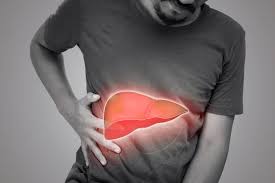
What liver failure means
Liver failure means the liver cannot adequately perform essential tasks. Acute liver failure is a specific emergency syndrome: severe, recent liver injury occurs with impaired blood clotting and a change in brain function called hepatic encephalopathy, usually in someone without established cirrhosis. Clinicians commonly use an illness duration under 26 weeks as part of the definition. Important exceptions and the clinical history require specialist interpretation; this is not a checklist for diagnosing yourself. [3]
Chronic liver disease follows a different course. Cirrhosis replaces normal liver tissue with extensive scarring and distorts blood flow through the organ. A person can have compensated cirrhosis and feel relatively well for years. Complications such as abdominal fluid, bleeding from enlarged veins or encephalopathy indicate decompensation. Cirrhosis, an abnormal liver blood test and liver failure therefore describe different things, even though they can occur together. [4]
Acute-on-chronic liver failure, often shortened to ACLF, is severe deterioration in someone with chronic liver disease, accompanied by organ failure and a high short-term risk of death. Under the EASL framework, it is a severe form of acutely decompensated cirrhosis. Other frameworks use different underlying-disease requirements and organ-failure thresholds. Not every hospital admission for worsening cirrhosis qualifies as ACLF, and studies using different definitions cannot automatically be compared. [5]
The distinction changes what teams look for and how urgently they assess other organs. Infection, alcohol-associated hepatitis, bleeding or another acute stress may precipitate deterioration, although a clear trigger is not always found. Kidney, brain, circulation and lung function can become central concerns. Treating the trigger and supporting failing organs happen together. A previously stable person with chronic liver disease can still become critically ill quickly, so an old reassuring appointment does not override new symptoms. [6]
Recognize warning signs and act early
New confusion, slurred speech, unusual drowsiness, vomiting blood or black stools need emergency assessment. These signs can have several causes; a family member should not assume they are simply part of an existing liver diagnosis. Jaundice is yellowing of the eyes or skin, sometimes accompanied by dark urine. Yellow skin can be harder to recognize on darker skin tones. New jaundice needs prompt medical assessment, and rapidly worsening jaundice with acute illness warrants immediate care. [1]
Acute liver failure may begin with less specific symptoms such as nausea, vomiting, exhaustion or discomfort in the upper abdomen. The person may then become jaundiced or develop altered thinking and increasing sleepiness. The sequence varies. Having little pain does not mean the illness is mild, and a person does not need every symptom before help is justified. Explain when the changes began and whether they are progressing; the speed of illness is important to the medical team. [21]
Why abnormal liver tests do not always mean failure
Tests commonly grouped under “liver function tests” measure different processes. ALT and AST are enzymes that mainly signal cell injury; AST can also come from tissues outside the liver. Alkaline phosphatase and related tests help assess patterns involving bile flow. Bilirubin, albumin and the clotting test INR provide additional information about how the liver is functioning. Doctors interpret the pattern alongside symptoms, medicines, previous results and other illnesses rather than reading one number in isolation. [7]
An abnormal result may need investigation without meaning the liver has failed. Ask which result is abnormal, what might explain it and when reassessment is due. Emergency symptoms while awaiting repeat tests require urgent care; a previously modest result does not provide protection. [7]
In severe acute illness, falling liver enzymes do not by themselves prove recovery. Teams also follow consciousness, clotting, bilirubin, blood glucose, kidney function and the overall clinical course. Some results change at different speeds. Ask which trends show improving liver function and which still cause concern. Recovery is judged from the combined evidence, not from the direction of a single line on a laboratory report. [16]
Medicines, supplements and poisoning
Acetaminophen, also called paracetamol, can cause severe liver injury when too much is taken. It is present in many cold, flu and combination pain medicines, so an accidental overdose may involve several products rather than one obvious large amount. Early symptoms may be absent or resemble an ordinary illness. Possible excess ingestion requires immediate professional advice, even if the person feels well. A website cannot determine safety from a recalled tablet count alone. [8]
For everyday prevention, check active ingredients and follow the product directions and your clinician’s advice. Ask a pharmacist about duplicate ingredients when adding a medicine. People with liver disease need an individualized pain-management plan. This does not mean every person must avoid every painkiller; it means the right product and instructions depend on their health and other treatments. [8]
Other harmful exposures include certain poisonous mushrooms and chemicals. If poisoning is possible, contact emergency medical services or your local poison service immediately and follow their instructions. Keep packaging, medicine containers or information about the substance available if you can do so without delaying help. Do not induce vomiting or try a home antidote. Someone who is unconscious, having seizures or having difficulty breathing needs emergency services straight away. Do not drive yourself for emergency treatment. [2]
Prescription medicines, herbal preparations and supplements can cause liver injury without a predictable overdose. Tell clinicians when each product was started, changed or stopped, including intermittent use. Bring a complete list and photographs of labels. “Natural,” bodybuilding and weight-loss products are not automatically harmless; multiple ingredients can complicate assessment. [9]
Doctors check alternative causes and decide whether to stop a suspected product. Seek prompt instructions before changing prescribed treatment, and do not restart a suspected harmful product yourself. Warning symptoms need emergency assessment. An accurate exposure history guides treatment without blame. [9]
Viral infections have different patterns
Hepatitis means inflammation of the liver; it does not automatically mean failure. Hepatitis A usually causes a short-lived infection and does not become chronic hepatitis. Rarely, however, it can cause severe liver failure, particularly in older adults or people with another liver disease. It commonly spreads through food, water or close contact contaminated by infected stool. Vaccination and hand hygiene reduce risk. After a possible exposure, promptly ask a clinician whether preventive treatment is indicated. [10]
Hepatitis B can cause either an acute infection or a long-term infection. Acute liver failure is an uncommon complication of the acute illness; chronic infection can lead to cirrhosis and other serious liver problems over time. Blood tests distinguish different infection states and help guide care. Antiviral treatment can suppress chronic infection and reduce liver damage. A hepatitis B vaccine is available, and household or sexual contacts may need testing and vaccination advice tailored to the exposure. [11]
Hepatitis C is particularly important as a cause of long-standing liver inflammation and cirrhosis. Modern antiviral treatment can cure the infection in many people, but someone who already has cirrhosis still needs appropriate follow-up. Clearing a virus does not automatically erase existing scarring or every future complication risk. Hepatitis C spreads through exposure to infected blood; testing is more useful than guessing from symptoms or making assumptions about how a person acquired it. [12]
Hepatitis E is another potential cause of severe acute liver disease. Exposure patterns differ between regions and virus types: contaminated water is important in some settings, while undercooked pork or wild game can transmit infection in others. Pregnancy increases the risk of severe hepatitis E, and persistent infection can occur in some people with weakened immune systems. Tell the medical team about pregnancy, travel, food exposures and immune-suppressing medicines. These details help select appropriate tests without establishing the diagnosis by themselves. [13]
Immune, inherited and other causes
In autoimmune hepatitis, the immune system attacks the liver. Some people develop a gradual illness; others first become seriously unwell with jaundice or acute liver failure. Diagnosis combines clinical history, blood tests and, when appropriate, examination of liver tissue. Treatment often uses medicines that reduce immune activity. The choice and response need specialist monitoring, especially in severe illness. Autoimmune disease is not contagious, and diet alone cannot replace treatment directed at the immune process. [14]
Wilson disease is an inherited disorder in which copper accumulates because the body cannot remove it normally. It can affect the liver, nervous system and other organs, and sometimes presents with acute liver failure. Assessment may involve blood and urine tests, an eye examination and genetic or tissue testing. A single test is not always enough. Long-term treatment is usually necessary, and relatives may need assessment when a diagnosis is confirmed. Severe liver failure can require transplantation despite other treatment. [15]
Other acute causes include severely reduced blood supply to the liver, obstruction of its venous drainage and specific pregnancy-related disorders. Some cases remain unexplained after extensive testing. The relative frequency of causes varies between countries and patient groups, so a list ranked for one hospital or country is not universal. Clinicians investigate likely causes while treating the emergency; waiting for every specialist result before providing organ support would be unsafe. [16]
Long-term liver disease may also develop with metabolic dysfunction-associated steatotic liver disease, or MASLD, a term now used for much of what was previously called nonalcoholic fatty liver disease. The inflammatory form, MASH, can cause progressive scarring. Having fat in the liver does not mean someone already has cirrhosis or failure. Assessment looks at scarring risk and associated conditions, including diabetes and obesity, rather than using appearance or body weight alone to decide how healthy the liver is. [17]
Advanced liver disease changes nutritional priorities. Advice for an otherwise well person with fatty liver may be unsuitable for someone with malnutrition, fluid retention or recent critical illness. Ask how weight, blood glucose and nutrition should be managed together before attempting a restrictive diet or new supplement. [32]
Alcohol-related disease deserves effective, nonjudgmental care
Alcohol-associated liver disease includes fat accumulation, inflammatory hepatitis and cirrhosis. Severity and recovery differ between these stages and between individuals. Avoiding alcohol is a central treatment goal, but alcohol dependence can make withdrawal medically dangerous. Someone who drinks heavily or has previously had withdrawal symptoms should seek medical help to stop safely. A person who is acutely ill needs urgent treatment and should tell the team about recent alcohol use so withdrawal can be anticipated and managed. [18]
Support can include addiction treatment, medicines, talking therapies and practical help from family or support groups. Asking for this care is a health decision, not a moral judgment. A setback should prompt renewed support and an honest conversation with clinicians. The treatment plan should address both the liver condition and the reasons sustained change is difficult. Do not assume either guaranteed recovery or inevitable failure from the diagnosis alone. [18]
What hospital assessment may involve
Clinicians urgently look for the cause while assessing how severely the liver and other organs are affected. Testing can include viral and autoimmune investigations and evaluation for toxic or inherited causes. A family member may provide essential history if the patient cannot answer reliably. Mention all medicines, supplements, recent illnesses and known liver conditions. Accurate information matters more than trying to identify the cause before reaching hospital. [3]
Imaging can show liver structure, fluid, bile ducts and blood vessels, while a liver biopsy examines a small tissue sample. A biopsy is not necessary for every patient. The team considers whether it would answer an important question and whether that answer would change treatment. For example, tissue may help clarify an uncertain inflammatory or infiltrative process when other tests do not provide enough information. [20]
Bleeding risk and abdominal fluid influence the biopsy route. A transjugular biopsy reaches the liver through veins and may be preferred when a needle through the abdominal wall presents higher risk. Ask why the procedure is needed, what route is planned and what monitoring follows. [20]
Treatment begins with stabilization and specialist care
Hospital treatment protects the person while the liver recovers, a specific cause is treated or transplantation is considered. Monitoring may include frequent blood tests, urine output, blood pressure and repeated neurologic examinations. Intensive care can provide breathing support, medicines to support circulation, glucose and electrolyte correction, and kidney replacement therapy when needed. These treatments support functions threatened by critical illness; their use does not by itself establish whether the liver will recover. [19]
Severe encephalopathy can make it unsafe to protect the airway, and brain swelling is a particular concern in acute liver failure. Teams also look for infection even when familiar signs are absent. Decisions about antibiotics, blood products and invasive monitoring depend on the situation. An abnormal INR is important, but it does not translate directly into a simple bleeding-risk percentage or an automatic need for a transfusion. Care is repeatedly adjusted as the illness changes. [19]
Early contact with a liver transplant center allows specialist advice and assessment before the person deteriorates further. Transfer can be appropriate even when doctors hope the liver will recover without a transplant. In suspected acetaminophen toxicity, clinicians may begin the antidote N-acetylcysteine, or NAC, promptly while investigations continue. This is professionally supervised treatment. Do not delay emergency assessment while looking for NAC, supplements or any other home treatment. [21]
Specialists may also use intravenous NAC in selected adults with acute liver failure unrelated to acetaminophen. A randomized trial found improved survival without transplantation in patients with early-stage encephalopathy, but it did not show a statistically significant improvement in overall short-term survival across the whole trial. That distinction matters: one favorable outcome does not establish a universal cure. The findings do not justify treating every type of liver injury the same way. [22]
This adult hospital evidence should not be applied automatically to children or people with abnormal tests but no acute liver failure. Specialists weigh the cause, illness stage and other risks. Transplant assessment and organ support may still be necessary even when a medicine is appropriate. [22]
Managing fluid, infection and kidney complications
In cirrhosis, fluid can collect in the abdomen as ascites and in the legs as edema. Treatment may involve tailored sodium advice, prescribed diuretics and drainage of abdominal fluid when needed. The team monitors kidney function and blood salts because removing fluid too aggressively can create problems. Someone may be visibly swollen yet still need careful assessment of effective circulating blood volume. A generic instruction to drink much more or much less water can therefore be inappropriate. [23]
Abdominal fluid can become infected, sometimes without obvious fever or pain. Hospital teams often sample ascites with a procedure called paracentesis to check for this complication, especially during an emergency admission. Antibiotics and other treatment are selected according to the findings and clinical condition. New fever, abdominal pain, worsening confusion or rapid deterioration should be reported promptly. Do not use leftover antibiotics or adjust fluid medicines yourself in an attempt to manage a possible infection at home. [23]
Kidney injury in advanced liver disease has several possible causes, including infection, reduced blood flow, medication effects and underlying kidney disease. Hepatorenal syndrome is a specific problem associated with advanced cirrhosis and ascites, but it should not be assumed whenever creatinine rises. Clinicians assess the pattern, look for other explanations and reassess the response to treatment. More than one cause can be present at the same time. [24]
Treatment is individualized and may include carefully selected fluids, medicines that improve circulation or dialysis-type support. Too much fluid can also be harmful, so the plan relies on repeated assessment. Kidney follow-up remains important after discharge, even if the immediate episode improves. Ask whether kidney function has returned to the previous baseline, which medicines need review and when the next blood test is due. Report a substantial fall in urine output or new deterioration promptly. [24]
Confusion and bleeding need specific treatment
Hepatic encephalopathy can affect attention, sleep, behavior, coordination and consciousness. It is a clinical diagnosis, and new confusion must also be assessed for other problems such as infection, bleeding, medication effects or a neurologic emergency. In cirrhosis, an elevated ammonia result alone does not diagnose encephalopathy or describe its severity. A normal result can prompt reconsideration of the diagnosis. The person’s examination and clinical course remain essential to deciding what is happening. [25]
For encephalopathy associated with cirrhosis, clinicians commonly prescribe lactulose and may add rifaximin in appropriate circumstances. They also treat triggers, which may include infection, gastrointestinal bleeding, dehydration or constipation. Families need clear written instructions about the prescribed plan, expected effects and whom to contact about problems. Excessive diarrhea, poor intake or recurring confusion deserves advice. Do not independently escalate treatment because a person seems sleepy, or assume that every episode can safely be managed using a previous prescription. [26]
Portal hypertension means increased pressure in the vessels carrying blood toward the liver. It can create enlarged veins, called varices, in the esophagus or stomach. Some people need medicines or endoscopic treatment to reduce bleeding risk; the choice depends on specialist assessment. When bleeding occurs, hospital treatment may combine resuscitation, medicines and endoscopy, with other procedures considered in selected cases. Vomiting blood or passing black stools requires emergency care even if bleeding appears to stop. [27]
Ask for a plan specifying medicines, procedures and follow-up to prevent bleeding. Someone who has never bled may need a different approach from someone recovering from a variceal hemorrhage. The plan should explain treatment goals and symptoms or side effects that warrant contact. [27]
When a liver transplant is considered
A transplant replaces the diseased liver with a donor liver. Assessment may be urgent in acute liver failure, or begin after decompensation in chronic disease. Current AASLD–AST guidance emphasizes referral after a decompensating event and a broad evaluation of medical, nutritional, functional and psychosocial needs. Being referred does not guarantee listing, and listing does not guarantee that a suitable organ will become available. Some patients improve enough that transplantation is no longer the best option. [28]
Eligibility is individualized. Teams consider expected benefit, other illnesses, infection, cancer where relevant, ability to manage ongoing treatment and the support required. For alcohol-associated disease, the updated guidance advises against using abstinence duration alone to exclude someone from listing. It also states that prescribed medication treatment for opioid use disorder alone should not deny access. Local programs and national systems still apply their own assessment processes, and addiction care remains part of treatment. [28]
Donor options may include a whole deceased-donor liver, a split liver or part of a living donor’s liver. The options available depend on the transplant center and the individual situation. Living donation requires separate, careful assessment of the donor’s safety and voluntary decision. Transplantation is major surgery with risks, followed by ongoing care. The discussion should cover what benefit is expected, the main risks and what alternatives remain if the person is not currently suitable. [29]
Organ allocation varies by country. UK national rules consider disease severity, likely benefit and donor-recipient compatibility. Scores such as MELD can inform professional assessment, but an online calculation cannot establish individual life expectancy or transplant priority everywhere. Ask which system applies and how to contact the team if health changes while waiting. [29]
Recovery and prognosis are individual
Acute liver failure can be reversible, and some people recover with their own liver. Others require transplantation, and some die despite intensive treatment. A large US referral-center cohort reported improved survival between earlier and later periods from 1998 to 2013. Outcomes also differed by cause. This historical observational evidence supports the value of specialist care, but it cannot supply a current survival prediction for a particular person or prove which individual treatment caused the improvement. [30]
A meaningful prognosis discussion asks what is causing failure, which organs are affected and whether the person is improving with treatment. The answer can change over hours or days. Families can ask for the best likely outcome, the most concerning possibility and the changes clinicians are watching for next. A general survival statistic lacks the clinical context needed for decisions about one patient. Ask the team to explain uncertainty directly rather than treating a percentage as a promise. [30]
Recovery from a severe illness can continue after blood tests improve. Research following adult acute liver failure survivors found ongoing difficulties with physical and mental quality of life in some participants. The groups had different health backgrounds before the emergency, so the study cannot attribute every later problem to liver failure itself. It does show why follow-up should ask about fatigue, mood, daily function and participation in work or family life, rather than concentrating only on liver numbers. [33]
Rehabilitation and follow-up should match the problems the person actually has. Bring persistent weakness, disturbed sleep, anxiety or difficulty returning to usual activities to the care team. A gradual return to work may need adjustments, and medication or appointment routines may require help initially. New confusion, bleeding or other emergency signs still require urgent assessment during recovery; they should not be dismissed as an expected part of getting better after hospital. [33]
Food, strength and safe daily care
Malnutrition and muscle loss are common concerns in cirrhosis and can be hidden by fluid retention or a higher body weight. Nutritional assessment therefore considers intake, muscle function and weight changes in context. A liver dietitian can help balance adequate calories and protein with restrictions needed for specific complications. Routine protein avoidance is not recommended simply because someone has had hepatic encephalopathy. Restrictive diets can make it harder to preserve muscle and recover strength. [31]
Physical activity should be adapted to current strength, balance and medical stability. Some people benefit from supervised rehabilitation or physiotherapy rather than trying to resume previous exercise immediately. Tell the team about falls, difficulty rising from a chair or struggling with everyday tasks. These observations can reveal functional decline that a scale does not capture. Goals should be realistic, reviewed over time and coordinated with the management of fluid, nutrition and other health conditions. [31]
Meal timing also matters in advanced chronic liver disease. Smaller, more frequent meals and an appropriate late-evening snack can help reduce long periods without nutrition, especially when a swollen abdomen makes larger meals uncomfortable. The details depend on appetite, diabetes and other needs. This is supportive care for a diagnosed condition, not a detox regimen. Ask for specific food suggestions that are affordable and practical instead of accepting a long list of foods to avoid without replacements. [32]
Sodium advice must account for whether restrictions make food so unappealing that the person eats too little. Vitamins and nutritional supplements should address an assessed need and be checked with the team. Tell the dietitian about nausea, swallowing difficulty, food access and restrictions that make adequate eating difficult. [32]
Long-term follow-up after the immediate crisis
People with cirrhosis may need regular surveillance for hepatocellular carcinoma, the most common primary liver cancer. For appropriate at-risk patients, AASLD guidance generally uses liver ultrasound and an alpha-fetoprotein blood test about every six months. The team may choose a different imaging method if ultrasound cannot adequately show the liver. Surveillance is intended to detect a problem earlier; it does not mean cancer is already present or that every abnormal result represents cancer. [35]
The plan depends on whether finding cancer would change treatment and on the person’s overall health and transplant situation. An abnormal scan can lead to closer monitoring or diagnostic imaging. Ask who will order the next study, how results will be communicated and what happens if an appointment is missed. Improvement in the original cause of liver disease does not automatically end surveillance when cirrhosis-related risk remains. Keep a written schedule rather than waiting for symptoms to trigger testing. [35]
After transplantation, anti-rejection medicines and regular monitoring remain essential. Blood tests help assess the transplanted liver and detect medication-related problems; follow-up also addresses infection risk and general health. Contact the transplant team before adding over-the-counter medicines or supplements because interactions may matter. Do not skip or change anti-rejection treatment on your own. If vomiting or another problem prevents taking medicines, ask the team promptly how to proceed. [34]
Recovery instructions should cover wound care, activity, return to work and the symptoms that need urgent contact. The timetable varies with the operation and complications. Ongoing preventive healthcare, a current medicine list and reliable arrangements for refills, tests and appointments remain important. Include a trusted support person in teaching sessions when the patient wants their involvement. [34]
Support for families and difficult decisions
Families often help notice mental changes, organize appointments and explain the patient’s usual function to hospital staff. They may also need support themselves. Ask for a named contact, understandable updates and help with practical barriers such as transport, care at home or time away from work. When the patient can participate, their priorities should guide discussions. Recording whom they want involved and who could speak for them if they become too unwell can reduce uncertainty later. [36]
Palliative care can help with symptoms, emotional strain and decision-making alongside active liver treatment or transplant assessment. It is not limited to the final days of life. If recovery or transplantation becomes unlikely, the team should explain what care can still achieve and discuss the person’s preferences respectfully. Planning should remain responsive to changing health. Patients and families deserve clear information about both realistic treatment possibilities and support for comfort, dignity and daily life. [36]
Frequently asked questions
Can a possible overdose wait until symptoms appear?
No. Get immediate medical or poison-service advice, even if you feel well.
Do high liver enzymes always mean liver failure?
No. They can indicate injury; diagnosis needs broader assessment.
Is every worsening episode of cirrhosis ACLF?
No. ACLF involves defined organ failures, and criteria vary between frameworks.
Can liver disease cause confusion?
Yes, but new confusion needs urgent assessment for several possible causes.
Does every person with liver failure need a transplant?
No. Recovery and transplant suitability depend on the individual situation.
Can a liver cleanse treat liver failure?
No. Suspected liver failure needs medical care, and supplements may cause harm.
Sources
This educational guide was checked against the sources below on 8 October 2026. It does not replace urgent assessment or an individual care plan. No clinician certification is claimed. Read our medical disclaimer.
- NHS: Cirrhosis
- NHS: Poisoning
- AASLD: Acute liver failure position paper (2011)
- NIDDK: Cirrhosis
- EASL: Acute-on-chronic liver failure guideline (2023)
- AASLD: Acute-on-chronic liver failure guidance (2024)
- AASLD: How to approach elevated liver enzymes (2025)
- FDA: Acetaminophen safety
- AASLD: Drug and supplement liver injury guidance (2023)
- NIDDK: Hepatitis A
- NIDDK: Hepatitis B
- NIDDK: Hepatitis C
- NIDDK: Hepatitis E
- NIDDK: Autoimmune hepatitis
- NIDDK: Wilson disease
- EASL: Acute liver failure guideline (2017)
- NIDDK: Fatty liver disease and steatohepatitis
- NHS: Alcohol-related liver disease
- ACG: Acute liver failure guideline (2023)
- NIDDK: Liver biopsy
- AASLD: Defining and managing acute liver failure (2025)
- Lee and colleagues: NAC trial in non-acetaminophen acute liver failure (2009)
- AASLD: Ascites, infection and hepatorenal syndrome guidance (2021)
- ADQI–ICA: Acute kidney injury in cirrhosis consensus (2024)
- EASL: Hepatic encephalopathy guideline (2022)
- AASLD: Decoding hepatic encephalopathy (2024)
- AASLD: Portal hypertension and varices guidance (2024)
- AASLD–AST: Adult transplant candidate evaluation (2025/2026)
- NHS Blood and Transplant: Liver transplant guidance
- Reuben and colleagues: Adult acute liver failure outcomes (2016)
- AASLD: Malnutrition, frailty and sarcopenia guidance (2021)
- EASL: Nutrition in chronic liver disease guideline (2019)
- Rangnekar and colleagues: Quality of life after acute liver failure (2013)
- NIDDK: Living with a liver transplant
- AASLD: Hepatocellular carcinoma guidance (2023)
- AASLD: Palliative care in decompensated cirrhosis (2022)





