

Educational information, not a diagnosis or a personal treatment plan. Medicine choices depend on age, body site, other conditions and the exact product. Editorial source-checking does not constitute review by your own clinician.
Seborrheic dermatitis is an inflammatory skin condition that causes recurring flaking, sometimes with itching and irritation. It commonly affects the scalp, eyebrows, creases beside the nose, ears and central chest. Scale may be fine and white or thicker and yellowish. An area can feel dry even when it looks oily. In teenagers and adults, the condition often improves with treatment and returns later; the practical goal is comfortable skin and fewer troublesome flares. [1]
A useful starting point is to separate three questions: what is causing the rash, which area needs treatment, and what the treatment instructions actually say. A bottle intended for the scalp does not automatically provide a plan for the eyelids, and an adult routine is not an infant routine. This guide explains those distinctions and gives you a way to prepare for a conversation with a pharmacist or clinician.
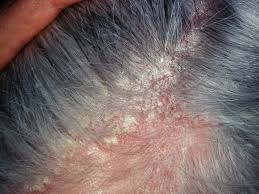
What causes it, and why does it return?
There is no single fully established cause. Current explanations involve the skin barrier, oil-rich skin and an inflammatory response involving Malassezia, a yeast that normally lives on skin. Having this yeast is not itself a sign of poor health. The British Association of Dermatologists distinguishes it from yeasts associated with thrush or foods. Stress, tiredness and cold, dry conditions can coincide with flares, but the combination of triggers differs between people. [2]
Dandruff belongs to the milder end of this spectrum: scalp flaking without the underlying inflammation seen in more noticeable seborrheic dermatitis. The everyday word “dandruff” is also used loosely for flakes from other causes. Finding Malassezia in a skin scraping cannot, by itself, establish seborrheic dermatitis because the organism is part of normal skin flora. A diagnosis depends on the whole pattern rather than a claim that all yeast must be eliminated. [4]
Seborrheic dermatitis occurs more often in people with some neurological conditions or weakened immune systems, including people living with HIV. However, most affected people do not have an underlying illness causing it. A clinician may consider additional assessment when symptoms are unusually severe or resist treatment, taking the person’s wider history and relevant risks into account. A flaky scalp alone is not a diagnosis of HIV, Parkinson’s disease or any other systemic condition. [2]
Symptoms on the scalp, face and different skin tones
Inflammation does not always look bright red. On darker skin, scalp patches can look pink, purplish or lighter than the surrounding skin; facial patches may look lighter or darker. On lighter skin, redness may be more obvious. Both dry flakes and greasy scale can occur. Pay attention to itch, burning, texture and changes from your usual skin tone as well as color. These features help describe the problem but do not identify its cause on their own. [3]
When describing a flare, name the specific location rather than simply saying “my face.” For example, distinguish skin beneath an eyebrow from the eyelid margin, the outer ear from the ear canal, and the beard from the cheek beside it. Tell the clinician whether the patches arrived together or at different times. This is a practical way to avoid leaving a second affected area out of the discussion.
| What to record | Useful detail to bring |
|---|---|
| Location and timing | Write down where the first patch appeared, where it is now, and whether the change began before or after a new product or routine. |
| What bothers you | Describe the itch, discomfort, visible flakes or appearance in your own words. Note whether these interrupt sleep, work, hair care or social activities. |
| Products already tried | Bring the name, active ingredient and strength, plus how you actually used the product. Include prescriptions, cosmetics and products suggested online. |
| What happened afterward | Distinguish no change from partial improvement, a brief improvement followed by recurrence, or new burning and irritation after application. |
Hair shedding deserves its own discussion
Scratching affected scalp skin can accompany hair shedding, but seborrheic dermatitis does not usually cause permanent hair loss. New or persistent hair loss still deserves assessment rather than an assumption that every change comes from dandruff. Bring up shedding separately from the number of flakes, particularly if it is the symptom worrying you most. Treatment and follow-up can then address the actual concern instead of measuring success only by whether the scalp looks cleaner. [14]
How it is diagnosed, and what can look similar
A clinician generally diagnoses seborrheic dermatitis from the distribution, appearance and behavior of the patches. A biopsy is sometimes useful when the diagnosis remains uncertain, rather than being a routine requirement for everyone. Several other disorders can resemble it, including psoriasis, contact dermatitis and fungal infection. More than one condition can be present at once, so an initial treatment that helps only part of the rash may justify another look. [4]
If scalp ringworm is a possibility, a clinician may collect skin scrapings for fungal testing. This looks for a different cause of the symptoms; it is not the same as treating every scalp yeast as abnormal. Ask what the proposed test is intended to distinguish and how its result would change your care. [2]
Psoriasis and overlapping inflammation
Psoriasis can affect the scalp and skin behind the ears, as well as elbows, knees, body folds and other areas. Nail pitting or dents may offer another clue. Its patches can also vary in color and do not always resemble the silvery plaques shown in familiar photographs. Point out changes elsewhere on the body and in the nails, even if you booked the appointment primarily because of scalp flakes. Those details can help the clinician decide what to examine. [16]
Ringworm of the scalp
Scalp ringworm is a different fungal disease and needs professional assessment. Unlike ordinary dandruff, it usually requires a prescription antifungal taken by mouth; creams or powders alone do not treat the infection within scalp hair adequately. Steroid creams can make ringworm worse, so do not use them to test whether an unexplained rash will settle. Suspected scalp ringworm should prompt a clinical appointment, particularly when there are areas of hair loss. [10]
For background, read how ringworm treatment differs by body site. When discussing either condition, ask the clinician to name the diagnosis explicitly and explain which finding supports it. That is more useful than choosing a product merely because both conditions involve the word “fungus.” Keep any new diagnosis and its treatment instructions separate from an older dandruff plan.
Contact dermatitis from a product
Contact dermatitis can produce itching, dryness, cracking or blisters after skin encounters an irritant or an allergen. Cosmetics, soaps and other personal-care products can be involved. The reaction may emerge over hours or days, so the connection is not always obvious during application. If a new rash follows a product change, tell the clinician what changed and when. Persistent or recurrent symptoms may need assessment to identify the trigger rather than another layer of treatment. [11]
When an allergic contact reaction is suspected, a dermatologist may recommend patch testing. This checks for delayed skin reactions and is different from a skin-prick test for immediate allergy. It involves planned readings over several visits; later checks matter because reactions can take time to appear. Patch testing answers a specific allergy question. It should not be presented as a universal test that proves or excludes every possible cause of a flaky scalp. [21]
What treatment is trying to achieve
Treatment choices commonly include topical antifungals for the face or body and medicated shampoos for the scalp. Short courses of a topical anti-inflammatory medicine may be added when inflammation remains troublesome. These products have different roles: reducing yeast-associated activity, calming inflammation or helping with scale. An antifungal plan and an anti-inflammatory plan are therefore not interchangeable, even if both reduce some of the same visible symptoms. [30]
Ask for two sets of instructions when relevant: what to do during an active flare and what to do once it has settled. Write each under a separate heading. Include the area being treated, the exact product and when the plan will be reviewed. If the prescription, package instructions and a remembered conversation seem inconsistent, ask the pharmacist or prescriber to reconcile them before improvising.
Using ketoconazole appropriately
Ketoconazole is available in different topical preparations, and instructions depend on the product and condition being treated. Follow your own label or prescriber’s directions rather than copying a schedule from a different formulation. For shampoo, the medicated lather needs to reach the scalp, and the specified contact time matters. Avoid the eyes and mouth. Using more than directed or using it too often can irritate skin; increasing the amount is not a reliable answer to slow improvement. [7]
Other medicated shampoos
Ciclopirox shampoo is a prescription option for seborrheic dermatitis of the scalp. The inspected US label warns about local irritation, avoiding eye contact and possible hair discoloration. It also calls for reconsidering the diagnosis if there is no improvement after the prescribed initial treatment period. These are reasons to discuss an unsuccessful course with the prescriber, rather than keep repeating it indefinitely or use the shampoo on new body areas without advice. [23]
Selenium sulfide can help with scalp itching and scale, but it has its own precautions. It should not be applied to cut or scratched skin, left on overnight or allowed into the eyes. Rinsing instructions matter, especially around hair coloring or chemical treatments because discoloration can occur. Report significant irritation. These cautions illustrate why a single universal “leave every dandruff shampoo on this long” rule is unsafe: preparations and their instructions differ. [24]
At the pharmacy, compare active ingredients rather than front-label promises such as “intensive” or “clinical.” Photograph both the ingredient panel and directions for your own records. If the recommended item is unavailable, ask whether the substitute really has the intended ingredient, formulation and instructions. Do not assume that two bottles with similar packaging are interchangeable, or that a more expensive bottle necessarily fits the plan better.
Make scalp treatment fit your hair-care routine
Hair texture and grooming practices influence a workable shampoo routine. The American Academy of Dermatology recommends adapting washing to hair type and following the specific medicated-shampoo directions. Curly or coily hair may need particular attention to avoiding dryness along the hair lengths; targeting the scalp and using appropriate regular conditioner can help accommodate hair care. Ask the clinician how to adapt the prescribed routine if frequent washing is difficult for your hair. [19]
Explain your usual wash days before accepting a complicated schedule. Mention braids, extensions, a protective style, hair coloring or any difficulty reaching the scalp. Ask the person explaining the treatment to show where the product should go, then describe how you would use it at home. If you cannot picture how the instructions fit your actual routine, raise that while the plan can still be adjusted.
Some dandruff ingredients, including coal tar, can increase sensitivity to sunlight. Protect an exposed scalp rather than deliberately using sun exposure as treatment. A hat, shade and suitable sunscreen are options; the AAD recommends broad-spectrum, water-resistant SPF 30 or higher where sunscreen is needed. Sunburn itself can increase flaking. If hair is thinning or the scalp is exposed along a part, include that area in your sun-protection discussion. [19]
Face, beard and eyelid care need extra care
For affected facial skin, gentle washing with warm rather than hot water, thorough rinsing and a suitable moisturizer can form part of care. Alcohol-containing skin or hair products and some styling products may aggravate symptoms. Avoid picking or scratching scale because this can increase the chance of infection. If you have a beard or mustache, tell the clinician which skin beneath the hair is affected so that the recommended product can be chosen for that location. [13]
An emollient helps retain moisture, but the best formulation depends on the area and individual tolerance. If a product causes persistent stinging or a new rash, ask a pharmacist or clinician about an alternative. Ask how to space moisturizer and prescribed treatments rather than mixing them together. Keep emollient-contaminated clothing and bedding away from cigarettes, flames and other ignition sources; washing does not necessarily remove all residue. [20]
Why steroid instructions should be specific
Topical corticosteroids can calm inflammation, but stronger treatment or longer use is not automatically better. Hydrocortisone guidance warns against applying it to the face without professional advice. Potential side effects include skin thinning, visible small blood vessels and changes in pigmentation, with risk influenced by the product and how it is used. Use the prescribed strength, area and duration. If you have already used a steroid regularly for a long time, ask the prescriber how to change the plan rather than abruptly redesigning it yourself. [8]
Combination products deserve attention because an antifungal cream may also contain a steroid. The Primary Care Dermatology Society specifically cautions that these combinations can encourage excessive facial steroid use. Check every active ingredient with the pharmacist. Repeatedly restarting a combination whenever a few flakes reappear can unintentionally turn a short flare treatment into an ongoing steroid routine. Ask what should continue after the flare and what should stop. [26]
Eyelid skin is particularly thin. Excessive steroid use around the eyes over weeks or months can increase the risk of glaucoma or cataracts. A clinician may still prescribe an appropriate short course, but the eyelids need explicit instructions rather than borrowing a scalp or body product. Mention any current or previous eye condition and all medicines used near the eyes when asking about treatment. [29]
Flakes around the lashes, gritty eyes or eyelids stuck together in the morning may indicate blepharitis, which can be associated with seborrheic dermatitis. A pharmacist or clinician can explain suitable lid hygiene and whether other treatment is necessary. Do not wear contact lenses or eye makeup while blepharitis symptoms are active. Eye pain, very red eyes, blurred vision or other vision changes need urgent assessment rather than a trial of stronger dandruff treatment. [9]
Painful small blisters near the eyes, or weeping and golden crusting, can suggest an infection rather than ordinary eyelid scaling. Seek prompt medical attention instead of applying another cosmetic or increasing a steroid. Eyelid contact allergy is another possibility when a rash persists, including reactions to substances transferred from the fingers or to hair products. Tell the clinician about products used elsewhere as well as those applied directly to the eyelids. [29]
Prescription alternatives and newer medicines
Nonsteroid anti-inflammatory creams
Dermatologists sometimes use tacrolimus or pimecrolimus, known as topical calcineurin inhibitors, for seborrheic dermatitis. This is off-label use in the United States: it is outside the medicines’ approved indication for this particular condition. Off-label prescribing can be appropriate, but the reason, expected benefit, precautions and follow-up should be explained. These are clinician-selected alternatives, not instructions to use someone else’s eczema prescription on an undiagnosed facial rash. [15]
Pimecrolimus information includes an important warning about a possible cancer risk; the information also says a causal relationship has not been established. Discuss the warning in context with the prescriber rather than assuming either that harm is inevitable or that the warning can be ignored. Its instructions advise against continuous long-term use and recommend protection from natural and artificial ultraviolet exposure. Follow the prescribed plan and read the patient information supplied with your own medicine. [25]
Before starting pimecrolimus, tell the prescriber about immune-system problems, previous cancer, skin infections, pregnancy or breastfeeding. New crusting, oozing or blisters during treatment should be reported promptly. Also discuss other medicines and supplements rather than assuming a skin-applied medicine cannot have interactions. Keeping an updated medicine list gives the prescriber a clearer basis for deciding whether this particular option is suitable. [25]
Roflumilast foam
In the United States, roflumilast topical foam 0.3% (Zoryve) is approved for seborrheic dermatitis in adults and children aged nine years and older. It is a nonsteroid prescription treatment. The current label, revised September 2026, contraindicates use in moderate or severe liver impairment. Keep it out of the eyes, mouth and vagina. The propellants are flammable: avoid fire, flames and smoking during and immediately after application. [12]
Discuss other medicines, pregnancy and breastfeeding before using roflumilast foam. Human pregnancy and breast-milk information is limited. The label advises avoiding use during labor and delivery. During breastfeeding, it should not be applied to the nipple or areola, and an infant should not contact treated chest skin. Headache, nausea and cold-like symptoms were among reported adverse reactions in seborrheic dermatitis trials. Foam and cream formulations should not be treated as interchangeable merely because they share a brand name. [12]
Before choosing a prescription alternative, ask practical questions as well as clinical ones: Can I obtain it locally? What will it cost? What happens if the pharmacy cannot supply it? Who should I contact about an unwanted effect? Request an alternative plan if access is uncertain. A recommendation is easier to act on when you know both how to obtain the product and how to get help using it.
Cradle cap: the infant form is different
Cradle cap usually causes greasy, scaly patches on a baby’s scalp and sometimes the face, folds or diaper area. It is generally neither painful nor itchy, does not usually upset the baby, and commonly clears on its own over a few months. Gentle care can include a suitable emollient to loosen scale, a soft brush and baby shampoo. Do not pick crusts or use adult shampoo, fragranced products, olive oil or peanut oil. Ask a pharmacist to recommend an infant-appropriate product. [6]
Seek medical advice if the rash is widespread, fails to improve after a few weeks of care, or becomes swollen, bleeds or leaks fluid. These changes can indicate infection or a different condition. A baby who seems uncomfortable needs the assumption of simple cradle cap reconsidered. Do not transfer an adult steroid or antifungal routine to a baby based on a shared condition name. [6]
For a caregiver handover, write down what has actually been recommended for this baby. Include the product name and who recommended it, then make sure everyone involved is following the same plan. If someone suggests a home remedy, bring the suggestion to the pharmacist or clinician before adding it. A short shared list is preferable to several caregivers each trying a different product without knowing what the others used.
Diet, triggers and a realistic follow-up plan
Diet research should not be converted into a cure promise. One observational study examined dietary patterns and seborrheic dermatitis in 4,379 participants and found some associations. It was not a trial assigning a treatment diet. Such a study cannot show that changing a particular food will clear an individual’s rash. Its results do not justify a guaranteed “anti-yeast diet,” a broad food ban or replacing established treatment with dietary restriction. [28]
Supplements are not automatically safe because they are sold as natural. The FDA does not approve dietary supplements for safety and effectiveness before sale, and ingredients may interact with medicines or cause harm at high intakes. Discuss any proposed supplement with a clinician or pharmacist, including the actual ingredient list and amounts. Do not substitute a supplement for prescribed treatment on the strength of a testimonial or a before-and-after photograph. [22]
Evidence for alternative approaches such as tea tree oil or aloe is not established well enough to promise control of seborrheic dermatitis, and tea tree oil can cause an allergic reaction. Tell your clinician about these products if you use them. A substance that worsens burning or produces a new rash should not be interpreted as proof that a treatment is “working” or that the skin needs to be pushed through irritation. [13]
A brief record can keep your follow-up focused. Use ordinary observations: the dates of treatment, the areas involved, itch during the day, disturbed nights and any unwanted effect. If you take photographs for the appointment, use similar lighting and distance and avoid filters. You do not need a perfect daily diary. The aim is to be able to explain what changed, without trying to reconstruct several weeks from memory.
NHS guidance recommends seeing a clinician when dandruff persists despite an appropriate shampoo trial, is severe or very itchy, or is accompanied by a swollen scalp or flaky patches elsewhere. Its general benchmark is about four weeks of dandruff treatment, but worsening symptoms or concerning new features warrant earlier advice. The same guidance emphasizes that poor hygiene is not the underlying explanation for dandruff. Repeated harsh washing is therefore not a substitute for checking the diagnosis and plan. [5]
At follow-up, agree what counts as improvement and when another review is needed. Shared decision-making guidance recommends discussing benefits, harms and what matters to the individual, then confirming the agreed next steps. Try explaining the plan back in your own words: which product goes where, what continues after improvement and whom you contact if problems develop. This checks that the explanation was clear and gives you a chance to correct misunderstandings before leaving. [27]
Extensive or difficult-to-control disease may need specialist care. The Primary Care Dermatology Society recommends referral when response to treatment is inadequate. Specialist decisions can include treatment beyond ordinary shampoos and creams, but these need an individual assessment rather than a self-selected oral antifungal course. When requesting a referral, explain what you used, what improved and which symptoms remain, so the next appointment can build on the work already done. [26]
When to seek prompt or urgent help
Painful, hot, swollen skin needs urgent medical assessment, particularly if the area is spreading or you feel unwell. These can be signs of cellulitis, a bacterial skin infection, rather than an uncomplicated flare. Severe illness with fast breathing, a racing heart, confusion, faintness or cold, clammy skin can indicate a serious complication: seek emergency help. Redness can be less obvious on darker skin, so warmth, swelling, pain and general illness matter too. [17]
Sudden swelling of the lips, tongue or throat, breathing difficulty or collapse after a product or medicine can be a severe allergic reaction. Call your local emergency number immediately. If you have a prescribed adrenaline auto-injector, use it as instructed while emergency help is being arranged. Do not wait to see whether washing the product away will be enough. [18]
Arrange a review if symptoms fail to respond to self-care. Contact a clinician promptly if patches become increasingly painful, drain fluid or develop pus. Seborrheic dermatitis can also cause embarrassment and distress. It is reasonable to ask for help when the condition affects confidence or everyday life, even if somebody else considers the visible rash mild. Describe that impact alongside the physical symptoms so it is included in the treatment discussion. [1]
Frequently asked questions
Can I catch seborrheic dermatitis from someone?
No. Seborrheic dermatitis itself is not contagious. It also cannot be identified simply because another family member has flakes. Several conditions can look similar, so a new or unusual rash should be assessed on its own features instead of assuming it is the same condition as someone else’s. [3]
Does successful treatment mean it has been cured?
A clear period does not necessarily mean adult seborrheic dermatitis is permanently gone. It can recur, and treatment is intended to control symptoms and reduce flares. Ask for the maintenance instructions that apply to your own case instead of continuing every flare medicine indefinitely or discarding the plan as soon as the skin improves. [3]
Should I keep changing shampoos until one works?
Keep a record of what you tried before buying another bottle. Take that list to a pharmacist or clinician and ask what question the next product is meant to answer. Include how long you used each one and whether you followed its instructions. A structured review is more informative than a collection of bottles with no record of which ingredient helped, irritated or did nothing.
What should I ask if treatment feels too complicated?
Say which step is difficult: reaching the scalp, remembering different products, paying for prescriptions or fitting treatment around work and hair care. Ask the clinician to prioritize the plan and provide written instructions. You can also ask whether the proposed benefit is worth the burden for your symptoms. Your preferences belong in the decision, together with the clinical evidence and the possible downsides of each option. [27]
What if I have been treating it for months without a diagnosis?
Bring the products and a short timeline to an appointment, including anything used around the face or eyes. Tell the clinician exactly what “not working” means for you. For example, the flakes may improve while itch continues, or the rash may clear and return after a particular step stops. Ask for a written diagnosis, a clear review point and instructions for the period between appointments.
Video note: The previously embedded video is retained for continuity. It may contain older information and has not been independently medically reviewed for this update. Use current product instructions and professional advice for treatment decisions.