

This guide provides general health education for adults, not a diagnosis or personal treatment plan. Children with suspected kidney inflammation need pediatric assessment. New blood in the urine, reduced urine output or worsening swelling needs medical assessment. Editorial source-checking is not review by a licensed clinician.
What is glomerulonephritis?
Glomerulonephritis is a group of conditions involving inflammation and damage in the kidney’s tiny blood filters, called glomeruli. The name identifies where injury happens, but it does not tell you the cause or which treatment will help. Immune-system disorders, infections and other conditions can produce different forms. Some people have an abnormal urine test while feeling well; others become seriously ill. A diagnosis therefore needs more detail than the word glomerulonephritis alone. Ask which form is suspected, how well your kidneys are working and whether the process appears active, longstanding or both. Those answers guide the urgency of investigation and the treatment discussion. [1]
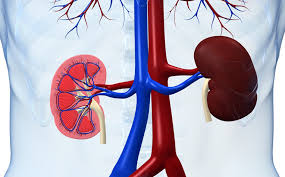
What the kidney filters normally do
Each kidney contains many microscopic working units called nephrons. A glomerulus filters fluid and small substances out of blood, while the adjoining tubule returns needed water and nutrients to the circulation and helps form urine. Blood cells and most large proteins normally remain in the blood. The kidneys also help balance minerals and acid, regulate blood pressure and support red blood cell production. This explains why kidney assessment involves more than checking how often you urinate. A person can still produce urine while filtration or other kidney functions are impaired. Blood tests and urine tests answer different questions about this complex system. [2]
Glomerulonephritis symptoms and early clues
Damaged glomeruli can leak protein and red blood cells, retain excess fluid or remove waste less effectively. Possible clues include puffy eyelids, swollen ankles, rising body weight from fluid, foamy urine and new or worsening high blood pressure. Symptoms may be subtle or absent, so feeling well does not exclude kidney disease. Glomerular disease is the broader category: it also includes disorders dominated by scarring or other filter damage rather than the inflammatory processes usually meant by glomerulonephritis. The amount of swelling or foam alone cannot identify the underlying condition. Report changes to your clinician and use laboratory results to clarify what is happening. [3]
Blood in the urine: visible or microscopic
Hematuria means blood in the urine. It may turn urine pink, red, brown or tea-colored, but microscopic hematuria is detectable only with testing. Blood can come from the kidney filters or elsewhere in the urinary tract, including infections, stones and other conditions that need investigation. A painless episode still deserves assessment, even if the color returns to normal. Tell the clinician about recent vigorous exercise, urinary procedures, medicines and menstruation, because these can affect interpretation or sample collection. Do not assume an existing kidney diagnosis explains every new episode. The evaluation should fit your symptoms, history and individual risk factors. [4]
Protein in the urine needs measurement
Proteinuria means that more protein than expected is entering the urine. Persistent protein leakage can indicate damage before other symptoms appear. A urine dipstick offers an initial clue; further laboratory testing helps determine the amount and whether it persists. Exercise, dehydration and other temporary circumstances can also raise urine protein, so a single abnormal result is not automatically a diagnosis of glomerulonephritis. Follow the requested collection instructions and ask whether a repeat or timed collection is needed. Foam is a reason to mention a change, rather than a reliable home measure of protein loss. The laboratory trend is more useful than the appearance of one toilet bowl. [5]
Nephritic and nephrotic patterns: what is the difference?
A nephritic pattern emphasizes inflammation
Nephritic syndrome describes a cluster of findings associated with inflamed kidney filters. Blood in the urine, reduced urine production, high blood pressure and swelling are common features. Protein may leak as well, and kidney function can deteriorate. These findings suggest a pattern of injury rather than one particular disease: infection-related disease, lupus and vasculitis are among the possible causes. Your clinician combines the pattern with the speed of change and tests for the underlying process. The word acute means the problem has developed over a short period; it does not by itself predict complete recovery or establish how severe the injury will become. [6]
A nephrotic pattern emphasizes heavy protein loss
Nephrotic syndrome involves substantial protein loss in urine, low blood albumin and swelling, often alongside high cholesterol. Albumin helps keep fluid within blood vessels, so losing it contributes to fluid moving into tissues. Nephrotic syndrome can also increase risks such as blood clots and infections. Nephritic and nephrotic findings can overlap; they are clinical patterns, not interchangeable names for a single cause. Treatment requires identifying the disease producing the pattern. Some people need medicines addressing clot risk or cholesterol in addition to kidney treatment, but these decisions are individualized. Do not start aspirin or a blood thinner yourself because you have proteinuria. [7]
When to seek urgent medical help
Arrange urgent medical assessment if you are passing much less urine than usual, developing rapidly increasing swelling, repeatedly vomiting or becoming unusually drowsy or confused. Breathlessness, particularly when lying down, can accompany fluid overload. Severe breathing difficulty, collapse or marked confusion warrants emergency care. These symptoms can occur with acute kidney injury and need assessment rather than an attempt to correct them by drinking large amounts of water. Mild acute kidney injury may have no obvious symptoms, which is why an urgent request to repeat blood tests matters even if you feel reasonably well. Follow the clinical team’s instructions about where and when to attend. [8]
Very high blood pressure needs a clear response plan. For a nonpregnant adult, a reading above 180 systolic or 120 diastolic is severely elevated. If you otherwise feel well, wait at least one minute and repeat the measurement; if it remains this high, contact a healthcare professional promptly. With chest pain, shortness of breath, weakness, numbness, speech difficulty or a new vision change, call your local emergency number instead of waiting for the pressure to settle. Serious symptoms warrant emergency help even without a blood pressure reading. Pregnancy uses different assessment thresholds, so follow maternity advice rather than relying on this adult cutoff. [9]
How glomerulonephritis is investigated
Blood filtration tests and urine protein tests work together
Assessment usually includes a blood test to estimate glomerular filtration rate, or eGFR, and a urine test for albumin leakage. They are complementary: one concerns filtering ability, while the other can reveal damage to the filtering barrier. Keep copies of results and ask the team to explain the units and comparison with earlier measurements. A normal-looking urine sample does not remove the need for testing. Repeat measurements also help show whether treatment is working. Avoid reducing the whole picture to one laboratory flag: the clinical team needs the filtration result, urine findings and your history to interpret kidney health and decide what should happen next. [10]
Urinalysis looks beyond urine color
A urinalysis can include chemical testing and microscopic examination for blood cells, other cells, crystals and casts. It helps investigate several urinary conditions, so an abnormal result must be interpreted in context. Your clinician may request a clean-catch sample to reduce contamination or a timed collection for a specific question. Tell the team about medicines and supplements before testing, and follow its instructions rather than changing treatment on your own. If a collection is missed, spilled or collected incorrectly, report that rather than guessing the missing amount. Accurate sampling makes it easier to decide whether an apparent change represents kidney disease or a collection problem. [11]
Complement tests offer immune-system clues
Complement is a group of proteins that help the immune system respond to threats. Blood tests commonly measure components called C3 and C4, or assess broader complement activity. Abnormal results can support investigation of autoimmune disease or infection, and sometimes help monitor an already established diagnosis. They do not provide a complete answer on their own. Ask which question the test is intended to address and whether it needs repeating. A result outside the laboratory range must be considered alongside symptoms, urine findings and other investigations. It is safer to discuss that combination with the kidney team than to interpret one complement number from an online chart. [12]
Antibody tests help distinguish causes
An ANCA blood test looks for autoantibodies associated with certain forms of blood-vessel inflammation. It can help investigate kidney problems when vasculitis is suspected, particularly when other organs are involved. A positive result is a clue rather than a diagnosis by itself, and a negative result does not exclude every form of vasculitis. Additional tests, imaging or tissue examination may still be necessary. Tell the clinician about symptoms beyond the urinary tract, even if they seem unrelated. The purpose of antibody testing is to narrow a clinical question and guide further assessment, not to let one blood result replace the whole diagnostic process. [13]
When a kidney biopsy can change treatment
A kidney biopsy removes small tissue samples for microscopic examination. It can show inflammation, scarring and abnormal deposits, helping identify the cause and likely treatment options. Not everyone needs one; the decision depends on what remains uncertain and whether the result would change care. Before a biopsy, discuss blood pressure, bleeding risk and all medicines, especially blood thinners. Ultrasound or another imaging method commonly guides the needle. Ask how to prepare, how long observation will last and which symptoms after discharge require urgent contact. Do not independently stop prescribed medication for the procedure; obtain a specific plan from the team performing it. [14]
| Test | What it helps assess | A useful question |
|---|---|---|
| Blood filtration test | Estimated kidney filtering ability, considered alongside urine findings | How does this compare with my previous result? [10] |
| Urinalysis | Urine chemistry and microscopic findings, including cells and casts | Does the sample need repeating or further testing? [11] |
| Complement tests | Levels or activity of immune-system proteins | Which possible cause are these results helping investigate? [12] |
| Kidney biopsy | Tissue changes such as inflammation, scarring and deposits | How would the result change my treatment? [14] |
Causes and cause-specific treatment
IgA nephropathy
In IgA nephropathy, deposits containing immunoglobulin A and other antibodies injure the glomeruli. Some people notice blood in the urine around a respiratory illness, while others first learn about the condition through routine testing. The course varies: persistent protein loss and declining kidney function deserve close attention even when visible blood disappears. A kidney biopsy is used to establish the diagnosis. The aim is to understand your own risk and protect kidney function over time, rather than assume everyone with IgA deposits follows the same path. Ask which results will be followed and what changes would lead the team to reconsider treatment. [15]
KDIGO’s 2025 IgA guidance addresses both ongoing immune-related injury and the consequences of kidney damage. Treatment may combine blood-pressure and proteinuria reduction with a disease-targeted option when appropriate. Depending on individual circumstances, specialists may discuss medicines such as targeted-release budesonide, an SGLT2 inhibitor or sparsentan. These are examples, not a self-selection list or a promise that every option is suitable. Sparsentan should not be added to an ACE inhibitor or ARB because it already includes angiotensin-receptor blockade. Systemic steroids require careful risk assessment and are not a universal answer to blood or protein in the urine. Availability and approved indications differ between countries. [16]
IgA treatment evidence continues to change. KDIGO published a separate 2026 commentary on complement inhibitors and medicines that modify B-cell activity, extending discussion beyond the 2025 guideline. These approaches target different parts of the disease process, but deciding how to use or combine them requires attention to trial populations, follow-up duration and remaining uncertainties. A lower urine-protein result is important, yet patients also want evidence about sustained kidney function and treatment burden. Ask what is known for someone with your level of kidney function, what remains uncertain and what safety monitoring is needed. Newer treatment does not automatically mean a better fit for every person. [17]
Post-streptococcal glomerulonephritis
Post-streptococcal glomerulonephritis can develop after a group A strep throat or skin infection. It reflects an immune response rather than bacteria directly infecting the kidney filters. Symptoms may appear roughly ten days after throat infection or around three weeks after impetigo begins. Management commonly addresses swelling and blood pressure; antibiotics may be prescribed if strep infection remains. Antibiotics do not substitute for monitoring the kidney inflammation. Many people recover, but persistent kidney damage is possible, especially in adults. The kidney condition itself is not contagious, although an ongoing strep infection can spread. Keep follow-up appointments even after the original sore throat or skin problem has resolved. [18]
Glomerulonephritis linked to an ongoing infection
Other infection-related forms occur while an infection is still active, including infections elsewhere in the body. Investigation may involve cultures, immune tests and sometimes biopsy. Treating the responsible organism and source of infection is central, alongside care for fluid retention, blood pressure and protein leakage. Immune-suppressing treatment is generally inadvisable for routine post-infectious disease and can be harmful if an infection is uncontrolled. This is one reason not to copy a steroid regimen prescribed for somebody with a different kidney diagnosis. Viral infections such as hepatitis B also require specific assessment because immunosuppression can reactivate infection. Kidney and infection specialists may need to coordinate treatment. [19]
Lupus nephritis
Lupus nephritis is kidney involvement caused by systemic lupus erythematosus, an autoimmune condition. Swelling, foamy urine and high blood pressure may occur alongside joint symptoms, fever or a rash, but the kidney assessment should not depend on how dramatic the skin or joint symptoms look. Urine and blood tests help detect kidney involvement, and a biopsy can identify the pattern and extent of damage. A useful question is whether the biopsy shows potentially treatable inflammation, established scarring or a mixture. These findings help explain why two people with lupus can need different kidney treatment plans despite sharing the same overall diagnosis. [20]
Treatment for lupus nephritis depends on biopsy class, disease activity, kidney function and the person’s circumstances. KDIGO’s 2024 guideline recommends combination therapy for active proliferative disease, rather than treating every biopsy pattern identically. Options can involve glucocorticoids with other immune-directed medicines, with selected additional agents depending on risks and likely benefits. After initial control, maintenance treatment often continues to reduce relapse risk. Hydroxychloroquine is generally recommended for lupus unless contraindicated. Discuss infection prevention, fertility, pregnancy plans and medication monitoring before treatment whenever the situation allows. Improvement in swelling does not establish that the kidney inflammation is fully controlled or that medicines can safely be stopped. [21]
Vasculitis and kidney inflammation
Vasculitis means inflammation of blood vessels. Its effects depend on which vessels and organs are involved, so kidney problems may accompany symptoms in the lungs, skin, nerves, nose or sinuses. The connection is not always obvious to the person experiencing them. Mention new rashes, unexplained numbness, persistent upper-airway symptoms or breathing changes during the assessment rather than treating each as an unrelated issue. Not every form of vasculitis damages the kidneys, and not every unusual symptom means vasculitis. The clinician needs a coordinated account of the timing and pattern. A short symptom timeline can make that discussion clearer when several specialists are involved. [22]
ANCA-associated vasculitis can cause rapidly progressive glomerulonephritis, with kidney function worsening over a short period. Suspected severe disease requires urgent specialist assessment; treatment sometimes begins before every investigation is complete. KDIGO’s 2024 guidance describes initial treatment using rituximab or cyclophosphamide with glucocorticoids, followed by an individualized plan to maintain control. The choice depends on factors such as disease severity, relapse history, fertility and infection risk. Plasma exchange is considered in selected severe presentations, not routinely for every person with ANCA antibodies. Ongoing monitoring remains important after symptoms improve because relapse and treatment toxicity require different responses. A new symptom deserves assessment rather than an automatic increase in immunosuppression. [23]
Anti-GBM disease: a kidney and lung emergency
Anti-glomerular basement membrane disease involves antibodies attacking structures in the kidney filters and sometimes the lungs. It can progress quickly and cause serious lung bleeding or kidney failure. Coughing up blood, particularly with breathlessness or urinary changes, needs emergency assessment. Diagnosis may involve antibody testing and kidney biopsy. Treatment commonly combines plasma exchange to remove circulating antibodies with medicines that suppress further antibody production and inflammation. Some people also need urgent dialysis or breathing support. Outcomes depend partly on the kidney damage already present when treatment starts. This is an example of glomerulonephritis for which waiting to see whether symptoms settle can be dangerous. [24]
Complement-mediated disease and C3 glomerulopathy
C3 glomerulopathy is a rare group of kidney diseases linked to abnormal activation of the complement system. It includes C3 glomerulonephritis and dense deposit disease, distinguished through kidney tissue assessment. Blood or protein in urine, swelling and reduced filtration can resemble other glomerular disorders, so symptoms alone cannot identify it. Further testing may investigate why complement regulation is abnormal, including acquired factors or genetic changes. If genetic testing is suggested, ask what the result could mean for you and your relatives. Specialist interpretation matters because test results can be complex. Ask what the biopsy shows, which additional tests would alter treatment and whether family counseling is appropriate. [25]
Complement-targeted treatment has expanded options for C3 disease. In 2025, the FDA approved iptacopan for adults with C3 glomerulopathy to reduce proteinuria. That specific approval does not mean it treats every form of glomerulonephritis or guarantees prevention of kidney failure. It also carries a risk of serious, potentially life-threatening infections from certain bacteria. Vaccination, any required preventive medicines and clear instructions for possible infection are part of specialist prescribing. The FDA also identifies lipid monitoring as a safety consideration. Discuss the current local prescribing information, alternatives and access with your team; an approval announcement is useful context, but it is not an individual treatment recommendation. [26]
Protecting kidney function alongside cause-specific care
Blood pressure is part of kidney treatment
High blood pressure can damage kidney blood vessels, while impaired kidneys can retain fluid that raises pressure further. Breaking that cycle is an important part of care, whatever started the glomerular disease. Ask for your personal blood pressure goal and how often to check it. Bring a record of home readings if monitoring has been recommended, along with symptoms such as dizziness that may affect treatment decisions. Reducing excess sodium, avoiding smoking and choosing suitable physical activity can support the plan. Our guide to blood pressure care and follow-up explains the broader monitoring conversation; your kidney team should set the targets appropriate to you. [27]
Kidney-protective medicines need laboratory follow-up
ACE inhibitors and angiotensin receptor blockers, or ARBs, can reduce urine albumin and help protect kidney function. Some people benefit even without high blood pressure, although the choice and dose require individual assessment. These medicines can affect potassium and filtration blood tests, so monitoring after starting or changing treatment is important. ACE inhibitors and ARBs are generally used as alternatives rather than together. Ask what change in symptoms or laboratory results should trigger a call and when the next test is due. Do not decide that a medicine has failed, or stop it, simply because one result is flagged without first discussing its significance. [28]
Follow trends and know the next checkpoint
Follow-up should track kidney filtration and urine protein or albumin over time, with frequency matched to risk and treatment decisions. Stable chronic kidney disease and newly active glomerulonephritis do not require the same schedule. KDIGO recommends at least annual filtration and albuminuria assessment in established chronic kidney disease, with more frequent testing for higher-risk situations. Active disease or medication changes may need substantially closer review. Before leaving an appointment, confirm the next test date, who will review the results and how you will be contacted. Ask what your own trend means rather than comparing isolated values with someone else’s results or assuming a single improvement ends follow-up. [29]
Food and fluid advice should fit your results
Protein and fluid: avoid automatic restrictions
There is no single glomerulonephritis menu. A kidney dietitian can balance nutritional needs with the amount of protein loss, kidney function, age, appetite and treatment. Very high protein intake or unnecessary protein supplements can be unhelpful, but excessive restriction can cause weakness and loss of muscle. Do not try to replace urine protein losses with large protein shakes without advice. Fluid needs also vary. Many people with early chronic kidney disease do not need a restriction, while people retaining fluid or producing little urine may need a specific allowance. Ask whether a limit applies to you and what drinks or foods count toward it. Neither forcing extra water nor severely cutting fluids is a safe universal response to kidney inflammation. Tell the team if poor appetite or several overlapping restrictions make it hard to eat enough; the plan should remain nutritionally adequate and practical. [30]
Reduce sodium in a workable way
Excess sodium can contribute to fluid retention and higher blood pressure when the kidneys cannot remove it effectively. Agree a sodium goal with your team, then look at foods you eat frequently rather than changing everything at once. Compare labels on bread, packaged meals, sauces and soups; sodium can be high even when a food does not taste particularly salty. Herbs, spices and suitable unsalted flavorings can make lower-sodium meals more enjoyable. Check serving sizes when comparing products, because one package may contain several servings. Ask a dietitian for substitutions that suit your usual cuisine and budget, especially if other medical conditions also affect your food choices. [31]
Potassium depends on blood tests and medicines
Potassium is essential for normal muscle and nerve function, but impaired kidney clearance or certain medicines can allow too much to build up in blood. This does not mean everyone with glomerulonephritis should stop eating fruit, vegetables or beans. The appropriate intake depends on your results and clinical situation. Potassium supplements and potassium-containing salt substitutes need particular caution, including products promoted as a healthy alternative to ordinary salt. Tell your clinician what you use before changing your diet. A low-sodium label does not establish that a substitute is safe for your kidneys. Ask for specific food advice if your potassium level needs adjustment. [32]
Medication safety and infection precautions
Check painkillers and make an illness plan
Nonsteroidal anti-inflammatory drugs, or NSAIDs, include ibuprofen and naproxen and can harm kidneys, particularly during dehydration or in people with kidney disease. They may also be hidden in combination cold or pain products. Ask a clinician or pharmacist which symptom treatments are safe for you rather than assuming an over-the-counter product is harmless. Keep an updated list of prescriptions, nonprescription medicines and supplements. Before an illness occurs, ask what to do if vomiting, diarrhea or poor intake prevents normal drinking or medicine use. A personalized sick-day plan should say whom to contact and whether any medicine needs temporary adjustment; it should not be improvised from a generic list. [33]
Be cautious with supplements and “kidney detox” products
Herbal products and supplements can contain kidney-damaging ingredients, contaminants or substances that interact with prescribed medicines. Reduced kidney function can also change how the body clears some compounds. Natural labeling does not establish safety, and a product marketed for kidney cleansing is not evidence that it treats inflammation. Bring the bottle, ingredient list or a clear label photograph to your pharmacist or kidney appointment. Include teas, powders and traditional remedies, not only tablets. This allows a specific review instead of a vague discussion about supplements in general. If you are considering a product because treatment is expensive or side effects are difficult, explain that concern directly so the team can address it. [34]
Steroid treatment needs a safety plan
When prednisolone or a similar systemic steroid is prescribed, discuss both the intended benefit and the monitoring plan. Prednisolone can affect sleep, mood, appetite and blood glucose; longer or higher-dose treatment can increase risks including infections and bone problems. Report troublesome side effects instead of silently skipping doses. Fever, a persistent sore throat or other signs of infection deserve prompt advice while taking it. Do not abruptly stop a prolonged course or alter a taper without the prescriber’s instructions, because withdrawal can be dangerous. Ask whether you need a steroid card and what to tell other healthcare professionals during illness, surgery or an emergency. [35]
Review vaccinations and respond early to illness
People with chronic kidney disease can be more vulnerable to serious complications from infections such as influenza. Review recommended vaccinations with your care team rather than waiting until treatment is underway. An annual flu vaccine is commonly advised, and the appropriate vaccine type matters for people with kidney disease or reduced immune function. Ask about the broader vaccination schedule and how it fits any planned immune-directed treatment. If flu-like symptoms develop, contact the team early because antiviral treatment may be useful and works best when started promptly. Vaccination reduces risk but does not make new fever, cough or breathing difficulty something to ignore. [36]
Pregnancy, long-term outlook and treatment decisions
Discuss pregnancy before conception when possible
Pregnancy with kidney disease requires individualized planning. Kidney function, blood pressure, urine protein and other health conditions influence risk, and some people with mild stable disease have healthy pregnancies. Arrange preconception counseling with the kidney team and an appropriate maternity specialist rather than assuming either that pregnancy is impossible or that it needs no extra preparation. Review every medicine for pregnancy and breastfeeding safety before trying to conceive. If pregnancy happens unexpectedly, contact the team promptly for a medication and monitoring review; do not make a blanket decision to stop all treatment. Planning should include your priorities and a clear explanation of the options and uncertainties. [37]
If kidney failure develops
Kidney failure treatment can include hemodialysis, peritoneal dialysis or transplantation, depending on suitability and circumstances. Comprehensive conservative care is another option for some people after an informed discussion of goals and likely benefits and burdens. These choices involve daily routines, practical support and personal priorities as well as laboratory results. If your team thinks kidney replacement treatment may become necessary, asking about options early gives time to understand them. A transplant is a treatment rather than a cure and requires ongoing care. Discuss what each approach would mean for work, family life and symptoms, and ask for support from the wider kidney team when decisions feel overwhelming. [38]
Questions that make the next appointment useful
Shared decisions work best when you understand the choice in front of you. Ask what the proposed test or treatment aims to achieve, what benefits and harms are most relevant to your situation, and what alternatives exist. Explain practical concerns such as cost, transport, work, fertility or difficulty taking medicines. If useful, bring someone you trust and ask for information in a form you can revisit. Before the conversation ends, describe the agreed plan back in your own words and check anything that remains unclear. Knowing the next step, the reason for it and the contact route for questions makes a complex kidney diagnosis more manageable. [39]
The older video below is retained from the original page. It has not been independently reviewed for this update and may not reflect current guidance. Use the source-checked article and your healthcare team’s advice for treatment decisions.





