

This guide explains cholestasis in adults and children, including pregnancy-related cholestasis. It covers warning signs, the investigation of bile-flow problems, treatment decisions and practical questions for your healthcare team. It is general education and cannot establish the cause of an individual person’s symptoms.
Information checked October 15, 2026. Seek advice from a qualified healthcare professional for diagnosis and treatment. Read our medical disclaimer.
What is cholestasis?
Cholestasis means that bile flow from the liver has slowed or become blocked. It describes a problem that needs an explanation, rather than one disease with one treatment. Intrahepatic cholestasis starts within the liver; extrahepatic cholestasis involves the larger drainage pathways outside it. A person may develop a temporary problem or a long-term condition. The outlook depends on the cause and whether there is lasting liver damage. Treatment can therefore range from removing a bile-duct stone to managing an ongoing liver disease. Ask where bile flow is disrupted and why. 1
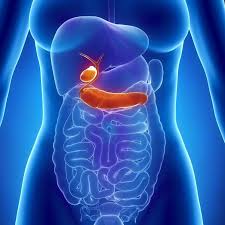
The liver makes bile, a digestive fluid that helps the body handle dietary fats and some vitamins. Bile travels through ducts, with some stored in the gallbladder between meals. When food enters the digestive system, the gallbladder releases bile into the small intestine. There it works alongside digestive juices from the pancreas and intestine. The gallbladder stores bile; it is not the organ that makes it. This distinction helps explain why a problem involving the gallbladder, the ducts or the liver itself may lead to different tests and treatments. The digestive system also absorbs nutrients after food has been broken down. Bile flow is one part of that coordinated process, so the assessment may include nutritional concerns as well as the liver-test results. 2
Symptoms and when to get help
Yellow eyes or skin, dark urine and pale stools
Jaundice is the yellow discoloration that can affect the skin and the whites of the eyes. It may be less obvious in darker skin, making changes in the whites of the eyes particularly useful to mention. Darker urine, paler stools and itching can accompany jaundice. New yellowing needs urgent medical assessment because it can have a serious underlying cause. Jaundice itself is not a complete diagnosis: liver disease, bile-duct problems and other conditions can produce it. Describe when the change began and whether there is pain, fever or vomiting, rather than relying on the color alone. If someone else notices yellow eyes before you do, take that observation seriously. An appointment should focus on finding the cause, not simply treating the visible color change. 3
Pain, fever and possible bile-duct infection
Gallstones often cause no symptoms, but a stone blocking a duct can produce substantial upper abdominal pain. The pain may be central or beneath the ribs on the right, last for more than half an hour, and be accompanied by nausea or vomiting. Pain that suddenly becomes severe, spreads to the back with vomiting, or occurs with a high temperature or jaundice needs emergency assessment. These features can occur with complications that require hospital treatment. A previous episode that settled does not establish that a new episode is harmless. Equally, finding gallstones on a scan does not prove that every abdominal symptom comes from them. Tell the clinician about the location, duration and pattern of pain and any associated color changes. 4
An infection can trigger sepsis, a dangerous whole-body response that can quickly damage organs. Warning signs include new confusion, breathlessness, extreme pain, clammy skin, a weak pulse or rapid heartbeat, and fever or feeling unusually cold. Someone with suspected infection who is rapidly becoming unwell needs emergency help; do not wait for every sign to appear. Tell the emergency team about any known bile-duct problem or recent procedure as part of the medical history. The immediate priority is assessment and treatment, not confirming the precise source at home. If you are supporting another person, describe changes in their alertness, breathing and usual behavior clearly. A familiar diagnosis should never be used to explain away a sudden, serious deterioration. 5
What causes cholestasis?
Problems inside the liver
Inside the liver, cholestasis can arise from injury to liver cells, the smallest bile channels or the small ducts. Causes include immune-mediated bile-duct disease, certain medicines, serious infection, pregnancy-related changes and some inherited disorders. Prolonged intravenous nutrition and infiltrative diseases, in which abnormal material or cells affect liver tissue, are other possibilities. Some conditions produce a mixed pattern involving both liver-cell injury and reduced bile flow. This is why a clinician asks about recent illness, long-term conditions, previous operations and treatment history. A normal-looking major bile duct does not exclude all intrahepatic disease. Further blood tests or a liver biopsy may be appropriate when the initial assessment does not explain the findings. The investigation should be directed by the clinical picture rather than an indiscriminate search for every rare cause. 6
Obstruction outside the liver
Outside the liver, bile flow may be obstructed by a stone, a narrowed duct, a cyst or pressure from a nearby mass. Pancreatic disease and tumors can also interfere with drainage. Identifying the site and cause matters because treatment must address that particular obstruction. 1
Medicine-related liver injury
Some medicines can cause a cholestatic or mixed form of liver injury. Examples include certain antibiotics, while anabolic steroids can produce a different, sometimes prolonged cholestatic pattern. Symptoms may develop after a delay and can include itching, dark urine, fatigue and jaundice. A medicine taken recently can therefore remain relevant even when the course has finished. LiverTox describes recovery that may take time after the responsible medicine is withdrawn; the speed of improvement varies. This does not mean that everyone taking a listed medicine will develop liver injury, or that a symptom proves the medicine caused it. A clinician must compare the timing and pattern with other explanations. Avoid testing a suspected reaction by taking the product again, and seek prompt advice when jaundice or significant new symptoms occur. 7
Assessment of suspected drug-induced liver injury depends heavily on a careful history because there is no single routine test that reliably identifies the responsible product. Bring a list of prescriptions, nonprescription painkillers, supplements, herbal mixtures and products used for weight loss or bodybuilding. Include start dates, stop dates and recent changes, with packaging or photographs when names are uncertain. The treating team may need to exclude viral, autoimmune or obstructive causes before deciding that a drug is responsible. If a medicine is suspected, ask the prescriber promptly whether to stop or replace it and how follow-up will work. Do not independently discontinue essential treatment or add a new remedy to counteract the problem. Make sure any confirmed serious reaction is recorded so future prescribers can avoid an unsafe repeat exposure. 8
How cholestasis is investigated
Alkaline phosphatase: a clue that needs context
Alkaline phosphatase, usually shortened to ALP, is an enzyme found in several tissues, especially the liver, bile ducts and bones. An elevated result can support investigation of a bile-flow problem, but it does not identify its source by itself. Bone growth, bone disorders and pregnancy can also affect ALP. Clinicians may use other liver tests or an ALP isoenzyme test to clarify where the elevation comes from. The laboratory reference range, age and clinical circumstances all matter. Keep the original report rather than copying a number without its units or reference range. If the result was unexpected, ask what other findings make it important and what the next test is intended to distinguish. Do not stop a prescribed medicine to alter a blood-test result unless the clinician directs you to do so. 9
GGT and the liver-test pattern
Gamma-glutamyl transferase, or GGT, is often interpreted alongside ALP. When both are elevated, a liver or bile-duct source becomes more likely than a bone source. GGT is not a specific test for one disease, however. Alcohol exposure, medicines and several other health conditions can influence it. A high GGT alone cannot establish the location of an obstruction or determine which treatment is needed. It is better understood as one part of a set of clues. Tell the clinician about medicines, supplements and alcohol use honestly so the results can be interpreted appropriately. Ask whether the overall pattern is predominantly cholestatic, predominantly liver-cell injury or mixed, and what that pattern means for further testing in your particular situation. 10
Bilirubin and other blood tests
Bilirubin is a yellow substance produced during the normal breakdown of old red blood cells. The liver processes it for removal through bile. Blood tests can measure total bilirubin and its direct and indirect components. These distinctions help clinicians investigate why bilirubin has increased: obstruction, liver-cell problems and increased red-cell breakdown are not the same mechanism. A bilirubin result is usually considered with other tests and symptoms rather than read in isolation. It may help explain jaundice, dark urine or changes in stool color, but it does not identify the cause on its own. Ask which component is elevated, whether the trend is changing and what other information is still needed. Newborn bilirubin results require age-specific interpretation and should never be compared casually with an adult laboratory range. 11
Cholestatic liver disease often produces a raised ALP with or without a raised bilirubin. Normal bilirubin therefore does not rule out a bile-flow problem. ALT and AST provide information about liver-cell injury, while albumin and clotting tests such as PT/INR help assess other aspects of the clinical picture. These measurements are sometimes grouped together under the label “liver function tests,” although they do not all measure the same thing. The initial workup commonly includes blood tests and an abdominal ultrasound. Ultrasound looks for features such as dilated ducts that may point toward obstruction. Further imaging, antibody tests or specialist review may follow if the cause remains unclear. A clinician should explain both what the results suggest and what they cannot yet establish. 12
Ultrasound, MRCP and the choice of imaging
Magnetic resonance cholangiopancreatography, or MRCP, is a specialized MRI examination that produces detailed images of the liver, gallbladder, bile ducts and pancreatic system. It can help identify stones, narrowing, inflammation or other structural problems without an endoscopic procedure. MRI uses a magnetic field and radio waves rather than x-rays. Before the scan, disclose implants, metal in the body, pregnancy, relevant health conditions and any history of difficulty in enclosed spaces. The imaging team will give preparation instructions and decide whether any additional precautions are needed. A radiologist interprets the images and sends a report to the referring clinician. Ask who will explain that report and what will happen if the scan leaves an important question unanswered. Imaging answers anatomical questions; its findings still need to be matched with the history and blood tests. 13
When a liver biopsy is useful
A liver biopsy obtains a small tissue sample for examination under a microscope. It may help when blood tests and imaging have not established the diagnosis, when the extent of damage needs clarification or when a result would influence treatment. It is not required for every person with cholestasis. A sample can be taken through the skin or, in some circumstances, through a vein in the neck; the safest route depends on the situation. Beforehand, discuss blood thinners, other medicines, allergies and any bleeding problems. Follow the team’s preparation and aftercare instructions, including transport arrangements if sedation is used. Ask which diagnostic question the biopsy is intended to answer, what its risks are and how long the different results may take. The procedure should have a clear purpose within the wider investigation. 14
Treatment depends on the cause
ERCP for a treatable duct problem
Endoscopic retrograde cholangiopancreatography, or ERCP, combines an endoscope passed through the mouth with x-ray imaging of the ducts. Unlike MRCP, it can be used to perform treatment, such as removing a duct stone, treating a narrowing or placing a stent. It is generally selected when an intervention is expected, because it carries risks including pancreatitis, bleeding, infection, perforation and reactions to sedation. Preparation includes reviewing medicines and following fasting instructions. Arrange the required support and transport afterward. Before leaving, obtain clear advice about symptoms that need immediate care, including severe pain, fever, breathing problems, vomiting blood or black stools. Ask what was actually done and whether tissue results, another procedure or stent removal remain outstanding. A procedure report is useful when care is shared between hospitals. 15
Acute cholangitis needs urgent hospital treatment
Acute cholangitis is infection involving the bile ducts and is a gastrointestinal emergency. Treatment may include antibiotics and drainage of an obstructed biliary system; antibiotics alone are not always enough. The American Society for Gastrointestinal Endoscopy favors endoscopic drainage in suitable patients and recommends timely decompression. A person who is unstable may initially need a shorter procedure focused on drainage, with more extensive stone treatment deferred until it is safer. These are hospital decisions based on the patient’s condition and available expertise. Published procedure-timing recommendations are not instructions to wait at home before seeking help. Once the emergency is controlled, the team still needs to address the cause of the blockage and explain what follow-up is needed to reduce the risk of another episode. 16
Gallstone treatment and the gallbladder
A stone in the common bile duct and stones still inside the gallbladder present different treatment questions. ERCP may clear a stone from the duct, while removal of the gallbladder may be recommended to manage symptomatic gallstone disease. Removing the gallbladder does not stop the liver making bile; bile can continue into the intestine without being stored there. Many people with incidentally discovered, symptom-free gallstones do not need an operation. Medicines to dissolve selected cholesterol stones have a limited role and can take a long time, so they are not a substitute for urgent management of a dangerous obstruction. Ask which stones or complications are being treated, whether both a duct procedure and surgery are proposed, and how the team will sequence them. The choice depends on the findings and overall health. 17
Narrowing, masses and cancer-related obstruction
Some bile-duct obstructions are related to cancer, but symptoms such as jaundice, itching or weight loss are not enough to diagnose it. Imaging and, when appropriate, tissue sampling establish what is happening. For confirmed bile-duct cancer, treatment depends on the location, extent and whether surgery can remove it. A stent or another drainage procedure may relieve backed-up bile and associated symptoms. Relieving the obstruction and treating the cancer are related but distinct goals, so ask what each proposed intervention is intended to achieve. A drainage procedure can be worthwhile for comfort and function even when it is not curative. The specialist team should explain how any procedure fits with surgery, other cancer treatment or supportive care, and who will manage ongoing drain or stent needs. 18
PBC and PSC: different long-term bile-duct diseases
Primary biliary cholangitis
Primary biliary cholangitis, or PBC, is a long-term disease in which small bile ducts within the liver are damaged by an immune-mediated process. It used to be called primary biliary cirrhosis, but a PBC diagnosis does not mean that everyone already has cirrhosis. Diagnosis draws on the history, liver tests and characteristic antibodies, especially antimitochondrial antibodies; imaging and sometimes biopsy add information. Fatigue and itching may occur, but some people are diagnosed before obvious symptoms develop. Over time, ongoing damage can cause scarring and other complications, including bone and vitamin problems. Ask whether the diagnosis is established, how much liver damage is present and which complications need monitoring. The purpose of follow-up is broader than repeatedly checking whether the skin looks yellow. 19
Ursodeoxycholic acid, also called ursodiol or UDCA, is the main initial disease-directed treatment for many people with PBC. Its role is to improve the disease course, not to provide an immediate cure or reliably stop itching. Clinicians assess the biochemical response over time and decide whether additional or alternative treatment is appropriate. The choice requires up-to-date specialist advice because available options and their safety restrictions can change. Avoid relying on an old drug list found online. Medicines used for itching can interfere with absorption of other treatments, so a pharmacist should check timing and interactions. Ask what response the team hopes to see, when it will be assessed and what would change the plan. Continued monitoring remains important even when treatment is well tolerated and symptoms are mild. 20
Primary sclerosing cholangitis
Primary sclerosing cholangitis, or PSC, causes inflammation and scarring of bile ducts inside and outside the liver. Narrowed areas can disrupt drainage and lead to infection or further liver damage. PSC is closely associated with inflammatory bowel disease, especially ulcerative colitis, although not everyone has the same combination of conditions. It is a different diagnosis from PBC and should not be treated as a spelling variation of that disease. Care may include treating important duct narrowings, managing symptoms and monitoring complications. Some people eventually require transplantation. Ask the clinician which ducts are affected, whether bowel disease has been assessed and how the liver and bowel teams will coordinate care. A change in symptoms may require assessment between scheduled appointments rather than waiting for the next routine review. 21
PSC follow-up may include imaging to assess the ducts and surveillance for particular cancers, with the plan adjusted for age, disease type and associated conditions. People with PSC and inflammatory bowel disease generally need a specific colonoscopy surveillance plan. New or worsening itching, unexplained weight loss or worsening liver tests may prompt further investigation of a clinically important stricture. MRCP is often considered before an invasive procedure, and ERCP may be used when drainage or tissue sampling is needed. A stent, if placed, requires an explicit management plan rather than being forgotten after symptoms improve. Ask whether it needs removal or replacement, by whom and when. Surveillance reduces uncertainty by checking for complications, but it cannot guarantee that every future problem will be predicted. 22
Managing itching and daily symptoms
Cholestatic itching can be intense and can interfere with sleep. Its mechanism is complex and differs from a straightforward histamine-driven allergy, so an ordinary antihistamine may offer limited relief and can cause sedation. Comfort measures include moisturizing dry skin, using lukewarm rather than hot water, wearing loose clothing and keeping nails short to reduce skin injury. These measures support comfort while the cause is treated. A clinician may prescribe a bile-acid binding medicine such as cholestyramine or consider other monitored treatments if itching persists. Drug choice depends on liver function, interactions and other health needs. Report whether the main problem is daytime scratching, broken skin or lost sleep, and explain what you have already tried. UDCA is not a universal anti-itch medicine, and treatment for the liver disease may need to be accompanied by a separate symptom plan. 23
Food, vitamins and protecting nutrition
When insufficient bile reaches the intestine, fat digestion and absorption can be affected. Persistent greasy stools, unintended weight loss or difficulty maintaining intake deserve attention rather than increasingly restrictive self-imposed diets. A dietitian can help ensure enough energy and protein while adjusting the type or amount of fat when necessary. Some patients with established fat malabsorption benefit from specially selected medium-chain triglyceride products, but these need a nutritional plan rather than casual substitution for all dietary fats. Cholestasis can also affect the fat-soluble vitamins A, D, E and K. Testing and clinician-directed replacement may be needed; high doses are not automatically safer or more effective. Excess vitamin A can itself harm the liver. Ask which deficiencies are actually present and how replacement will be monitored. 24
If cholestatic liver disease has progressed to cirrhosis, nutrition needs may change further. Poor appetite, nausea and changes in nutrient handling can make malnutrition a concern even when someone does not look underweight. A suitable plan supplies adequate calories and protein and may use smaller, more frequent meals and a late snack to avoid prolonged fasting. Sodium advice depends on complications such as fluid retention and should come from the treating team. People with cirrhosis should avoid alcohol and high-risk foods such as raw or undercooked shellfish and unpasteurized dairy products. Do not copy a weight-loss diet or fluid restriction intended for someone with a different stage of disease. Ask for a dietitian referral if eating is difficult, weight is falling or dietary advice has become confusing. 25
Supplements and “liver cleanses”
A product described as natural can still have adverse effects or interact with medicines. In the United States, dietary supplements are not approved by the FDA for safety and effectiveness before they reach the market in the same way as medicines. A label promising liver support therefore does not establish that the product treats cholestasis. Discuss any planned supplement with the clinician or pharmacist, including ingredients and amounts, before using it. Do not replace prescribed treatment or a balanced diet with a supplement. Bring packaging for multi-ingredient mixtures, since a brand name alone may not identify everything taken. If a product appears to cause a reaction, seek medical advice and ask how to report it. This is particularly important when a liver problem is already under investigation. 26
Cholestasis during pregnancy
When itching needs maternity assessment
Itching is common during pregnancy, but very intense itching, itching of the palms or soles, or itching that worsens at night warrants urgent maternity advice. Do not assume it is simply stretching skin or wait for visible jaundice. Intrahepatic cholestasis of pregnancy, often called ICP or obstetric cholestasis, is one possible explanation. The maternity team can assess the symptoms and arrange appropriate tests. Other skin conditions can also cause itching, so the location and appearance of the skin still matter. While awaiting assessment, gentle moisturizers, loose clothing and cool or warm rather than hot bathing may improve comfort. Check any over-the-counter treatment with a pharmacist who knows you are pregnant. Measures that ease the sensation should not replace the maternity assessment. 27
ICP is assessed with blood tests including bile acids and liver tests. Bile acids can be abnormal even when other liver tests are normal, and itching can precede abnormal results. Persistent unexplained itching may therefore need repeat testing. Risk assessment considers the bile-acid level, the stage of pregnancy and other complications. RCOG identifies levels of 100 micromol/L or more as severe ICP, associated with increased stillbirth risk. The birth plan must be individualized rather than chosen from itching severity alone. UDCA does not prevent stillbirth. Go to the maternity unit straight away if you are worried about reduced or changed baby movements. ICP usually improves after birth, but follow-up should confirm that symptoms and blood tests resolve; persistent abnormalities need further investigation. Discuss implications for a future pregnancy at the postpartum review. 28
The Society for Maternal-Fetal Medicine recommends UDCA as the first-line medicine for maternal symptoms of ICP. Symptom treatment, fetal assessment and decisions about birth timing serve different purposes and should be discussed separately. The team balances the risks of continuing pregnancy against those of an earlier birth, using laboratory-confirmed bile-acid findings and the full clinical situation. Professional guidance differs in its recommended delivery windows, so there is no single week that applies to every pregnancy with cholestasis. Ask which guidance your team follows and how your results affect its recommendation. Also ask what testing is planned, when to contact maternity care and whether preparation for an early birth is needed. Do not change medicine or arrange delivery timing from an online threshold alone. 29
Cholestasis in babies and children
Pale stools in a baby are a warning sign
Pale, gray or white stools in an infant can indicate that bile is not reaching the intestine. They need prompt medical assessment even if feeding and behavior seem normal. Persistent jaundice also needs review; ordinary newborn jaundice should not be assumed to explain every prolonged color change. The American Academy of Pediatrics emphasizes recognizing biliary atresia early, including assessment around the two- to four-week visit. Clinicians consider eye color, stool color and previous laboratory results and may measure direct or conjugated bilirubin. Show the clinician a photograph of an unusual stool or the diaper if practical, but do not delay care to collect more evidence. A previously reassuring visit does not remove the need to report a new stool-color change. 30
Biliary atresia is a serious infant liver disease involving damaged or blocked bile ducts. Evaluation and treatment are time-sensitive because earlier surgery can improve the chance of restoring drainage. The Kasai operation uses a loop of the baby’s intestine to create a route for bile after the damaged ducts outside the liver are removed. It is not a guaranteed cure, and children need continued specialist follow-up even when jaundice improves. Most children eventually need a liver transplant, even after successful surgery. Families may also need help with feeding, growth and recognition of infection after treatment. Ask the pediatric liver team how quickly each investigation should happen and whom to contact if symptoms change. Adult approaches to gallstones or itching are not suitable substitutes for an infant-specific evaluation. 31
Inherited bile-transport disorders
Some children have inherited conditions affecting the proteins that move bile components through liver cells. Progressive familial intrahepatic cholestasis, or PFIC, is a group of such disorders, rather than a single uniform illness. Symptoms often begin in infancy or childhood and can include severe itching, jaundice, dark urine and poor growth. The genetic cause and course vary, and some forms have effects beyond the liver. Specialist assessment can clarify whether genetic testing is useful and what a result means for management and relatives. A family should not infer the exact type from a symptom list or a single laboratory measurement. Ask for the diagnosis in full, the relevant genetic finding if established, and the plan for nutrition, symptom control and monitoring over time. 32
Long-term care and outlook
Preventing additional illness
For people with chronic liver disease, preventive care includes reviewing vaccination history with a healthcare professional. Hepatitis A and hepatitis B vaccines may be especially relevant, depending on previous vaccination, immunity, age and other risk factors. Other routine vaccines should also be reviewed against the current local recommendations. Vaccines do not remove an existing obstruction or treat the cholestasis itself; they help reduce the risk of preventable infections. Bring any vaccination record rather than assuming childhood doses or past infection provide the protection needed now. If records are incomplete, ask how the team will establish the appropriate next step. Recommendations may also be affected by pregnancy, immune-suppressing treatment or transplant planning, so a personalized review is more useful than following a generic online schedule. 33
When transplantation enters the discussion
When liver failure develops, liver transplantation may become part of the treatment discussion. It replaces a diseased liver with a donor liver and requires assessment at a specialist transplant center. Referral is an evaluation, not a promise that transplantation will be necessary or that someone will immediately receive an organ. The team considers medical suitability and the practical demands of care before and after surgery. A transplant also brings long-term responsibilities, including regular monitoring and medicines to prevent rejection. Ask why referral is being considered, what alternatives remain and how the assessment fits with current treatment. People supporting the patient should understand the likely appointments and care needs. The decision depends on the underlying disease and overall situation rather than the word cholestasis alone. 34
Questions to take to the next appointment
Before the next visit, write down the working diagnosis and the questions that remain unanswered. Ask whether the problem appears to be inside the liver or in a larger duct, which result supports that view and what would change it. Separate the goals of treatment: resolving an obstruction, controlling a chronic disease and improving daily symptoms may require different steps. Request a clear plan for the next blood test, scan or procedure and how you will receive the result. If several teams are involved, establish who coordinates the overall plan and whom to call outside office hours. Keep the medicine list and any procedure report together. This makes it easier to discuss changes accurately without reconstructing the entire history at every appointment.
Frequently asked questions
Can cholestasis occur without jaundice?
Yes. A cholestatic liver-test pattern can occur with normal bilirubin. The full clinical assessment matters. 12
Does a high GGT prove a blocked bile duct?
No. GGT has several possible causes and must be interpreted alongside other tests and the medical history. 10
Is jaundice itself a diagnosis?
No. It is a sign with several possible causes. New yellow eyes or skin need urgent medical assessment. 3
Does every person with cholestasis need a liver biopsy?
No. Biopsy is considered when tissue information could clarify the diagnosis, severity or treatment plan. 14
Can a liver supplement replace treatment?
No. Supplements should not replace prescribed treatment, and their safety and interactions need professional review. 26
Educational background video retained from the original article; not assessed in full. Terminology and treatment details may differ from current guidance. The video cannot establish a diagnosis or replace advice from a qualified healthcare professional.





